Last updated November 21, 2026
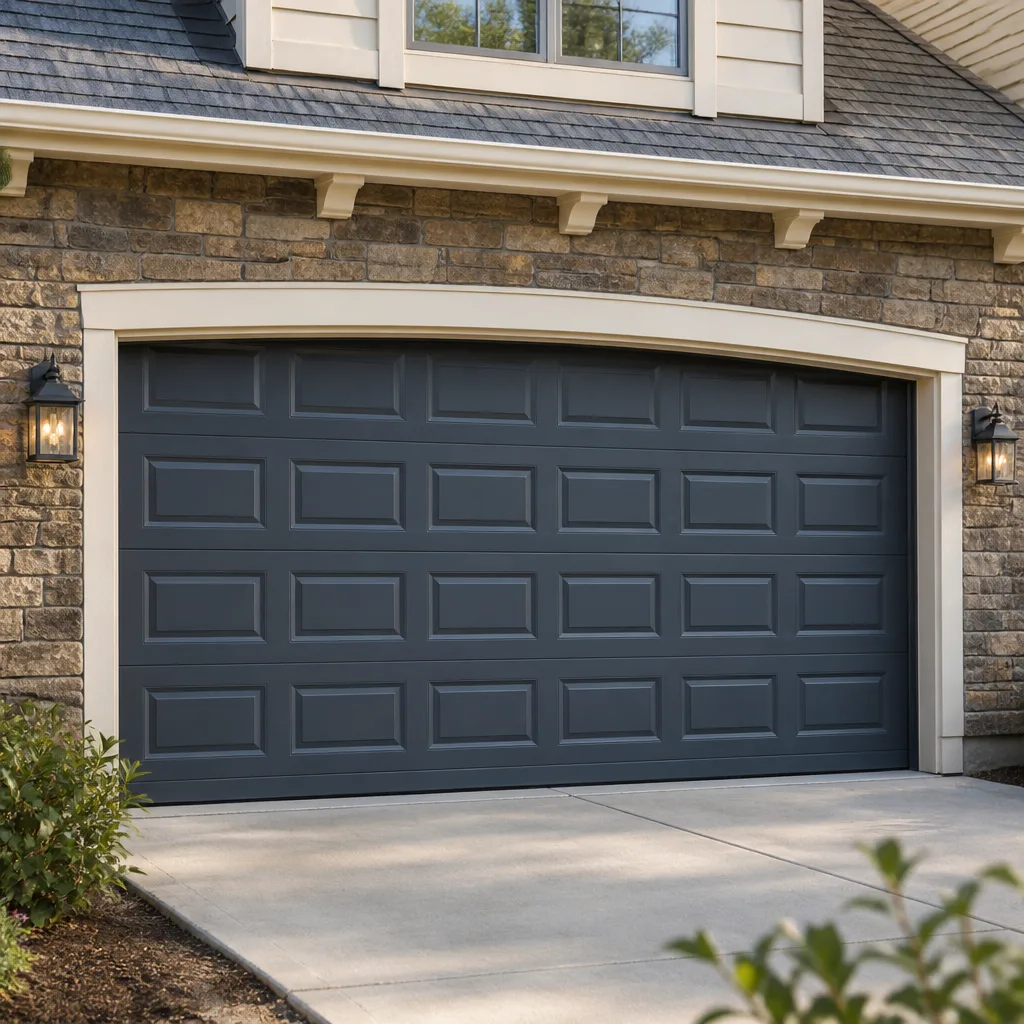 Raised-panel steel
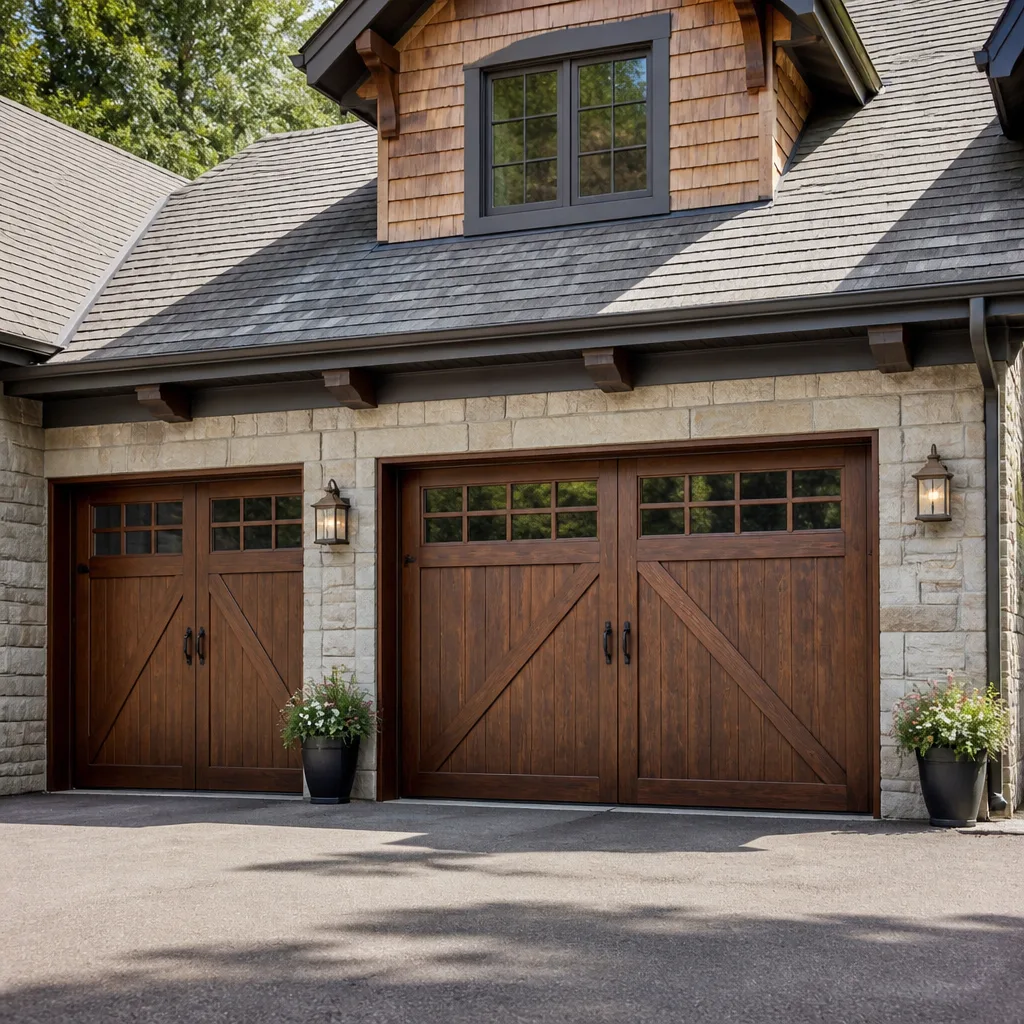 Carriage house
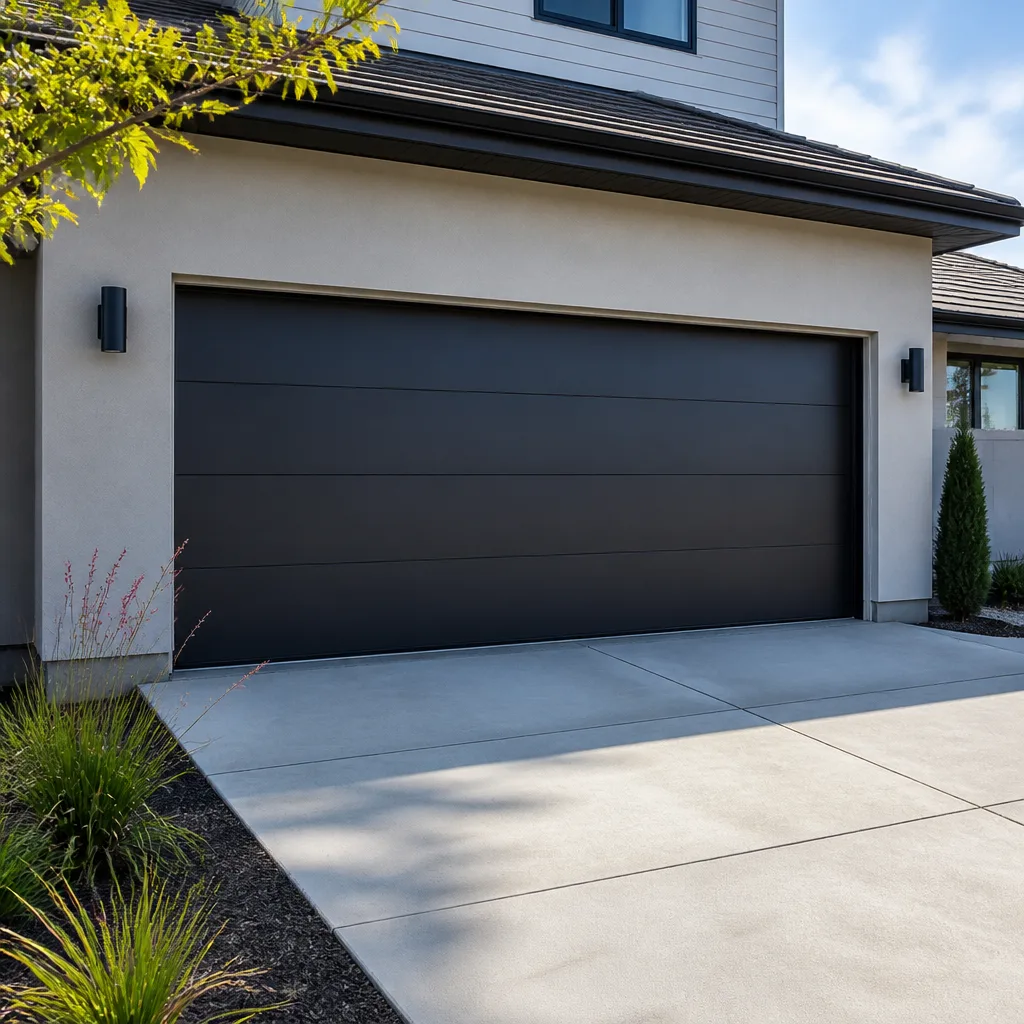 Modern flush
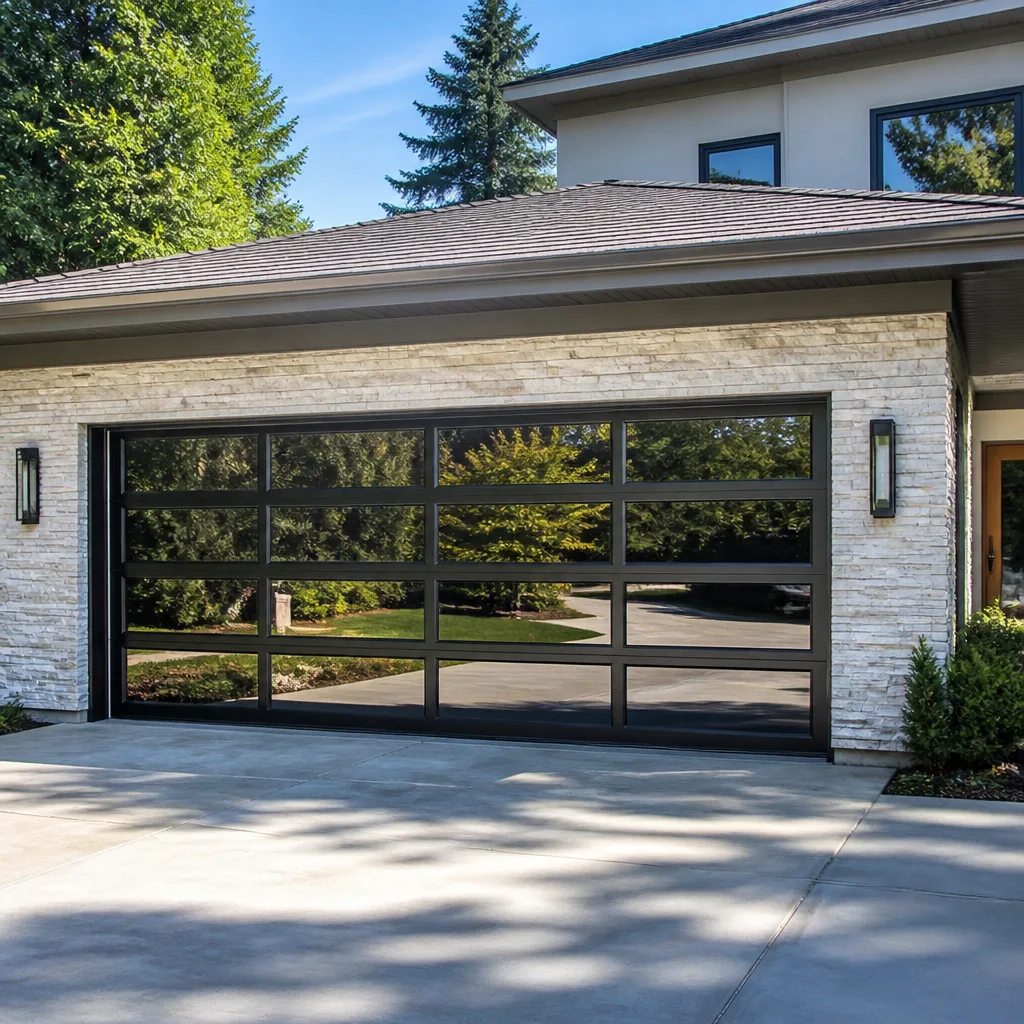 Full-view glass
 LiftMaster openers
 Chamberlain openers
Full 25-point door and opener safety check with every visit - springs, cables, rollers, tracks, and your LiftMaster or Chamberlain opener included
You get a price before we start. It does not change when the pro arrives.
Get your free estimateGarage Door Warning Signs: An Oxford Circle Homeowner’s Reference Guide
A garage door that’s “just a little slow” isn’t a minor inconvenience. It’s usually a motor working overtime to make up for a spring system that’s lost tension, which means the motor is the next thing to fail. Most warning signs work this way: the symptom you notice is rarely the component that’s actually breaking. It’s a downstream signal from something further up the chain. This guide connects what you’re seeing and hearing to the system underneath it, so you can tell whether you’re looking at a small adjustment or a larger repair building under an obvious symptom. We’ll cover the sounds, the visual clues on Oxford Circle‘s common door styles, and the warning signs that cross from inconvenience into safety issue.
Quick Answer
Garage door warning signs fall into four groups: unusual noises (grinding, popping, scraping), changes in how the door moves (slowing, jerking, reversing), visible damage (bent panels, frayed cables, gaps at the floor), and opener problems (unresponsive remotes, blinking lights). Any single sign deserves a check. A broken spring, a frayed cable, or a misaligned safety sensor is a safety issue, not a maintenance note, and should be handled by a trained technician before the door is used again.
Styles & brands we work with
- Raised-panel steel
- Carriage house
- Modern flush
- Full-view glass
- LiftMaster openers
- Chamberlain openers
Table of Contents
- The Symptom-to-System Map: What Your Door Is Actually Telling You
- Normal Sounds vs. Failure Sounds: What to Listen For
- Visual Inspection Points by Door Style
- Why Intermittent Problems Are More Urgent Than Consistent Ones
- Warning Signs That Are a Safety Issue, Not an Inconvenience
- When the Opener Is the Problem (and When It’s Not)
- How Age, Sun, and Weather Show Up on Oxford Circle Doors
- Reading Cost Signals in Your Symptoms: Small Fix vs. Larger Repair
The Symptom-to-System Map: What Your Door Is Actually Telling You
Here’s the idea that changes how you read every warning sign. A garage door is a balanced system, not a single machine. The springs carry the weight, the cables connect the springs to the door, the tracks guide it, the rollers and hinges keep it moving smoothly, and the opener only supplies the small nudge that tips the balance. When one part drifts, the others compensate. The part doing the compensating is the part that fails next. That’s why a symptom you notice today often traces back to a component you haven’t looked at yet.
Use this map to match what you’re seeing or hearing to the system most likely behind it:
- Door feels heavy to lift by hand, opener strains, or door reverses on the way up: spring tension. Springs carry the door’s weight, so when tension drops, everything else has to work harder.
- Loud bang from inside the garage, door won’t lift at all: a broken spring. This is the most common sudden failure we handle.
- Door lifts crooked or hangs at an angle: a frayed or off-track cable on one side, or a loose winding on an extension spring.
- Grinding or scraping as the door travels: worn rollers, dry hinges, or a track that’s bent out of alignment.
- Door stops partway and reverses: a safety sensor or limit setting issue with the opener, not usually the springs.
- Door closes then opens again on its own: pressure sensitivity or sensor misalignment.
- Remotes work only from close range: opener logic board, antenna, or connectivity issue.
If the map points to the springs, that’s our specialty. Spring work is the highest-risk job on any garage door, and it’s the one most often mishandled. We handle it as a core service rather than a referral, so garage door repair starts with a proper diagnosis of the whole system, not just the part that made the noise.
Normal Sounds vs. Failure Sounds: What to Listen For
Every garage door makes noise. The question is which noises are part of normal operation and which are early warnings. A well-adjusted door produces a smooth, low mechanical hum from the opener and the soft roll of rollers on the track. A door that’s beginning to fail produces sounds with a different character: sharper, rhythmic, or intermittent. Learning the difference is one of the most useful things an Oxford Circle homeowner can do, because the sound usually comes before the breakdown.
Sounds that are usually normal
- A steady, even hum from the opener motor while the door moves
- Soft roller-on-track noise that stays consistent from open to close
- A gentle thud when the door settles onto the floor
- A single quiet click when the opener engages or releases
Sounds that signal imminent failure
- A loud pop or bang, like a gunshot from inside the garage: almost always a torsion spring breaking. Stop using the door.
- Rhythmic grinding or squealing: worn rollers or bearings, or dry hinges. Left alone, these wear the track and the door’s hinges.
- Metal-on-metal scraping: the door is rubbing the track, likely because a panel is bent or a roller has jumped.
- Rattling that gets worse over weeks: loose hardware. Fasteners work themselves out, and a loose bracket can drop a cable.
- A clicking or buzzing from the opener with no movement: the opener is trying to run but the door won’t release, often a spring or lock issue.
One practical habit: stand in the garage and listen to the full open-and-close cycle once a week. You’ll learn your door’s normal sound in about a minute. Then a change in that sound becomes obvious rather than something you notice only when the door finally quits. For the opener side of the system, our garage door opener repair covers both the mechanical and the electronic faults behind strange sounds.
Visual Inspection Points by Door Style
Different door materials fail differently, and Oxford Circle has a real mix of them. Knowing which style you have tells you where to look. A quick walk-around once a season catches most developing problems before they become repairs.
Steel panels
Steel is the most common door material in the area, and it shows stress as dents, dings, and rust at the bottom edge where water collects. Look for:
- Dents or creases in the bottom panel where the door meets the floor
- Rust at the hinge points and the bottom seal
- Panels that have separated from their frame
- Paint bubbling that hides corrosion underneath
Wood overlays and carriage-style doors
Wood-topped doors add character, and they also add weight that the spring system has to carry. Look for:
- Fading, cracking, or peeling finish on the wood surface from sun exposure
- Swelling at the bottom edge where moisture has worked in
- Loose or lifting overlay panels
- Doors that feel heavier or slower than they used to, a sign the added weight is now stressing the springs
Aluminum frames
Aluminum frames are light and resistant to rust, but they bend more easily than steel and can develop hairline cracks at the joints. Look for:
- Bends at the frame corners after a bump
- Cracks at the weld points
- Loose glass or panel inserts
- Doors that lift unevenly because one side of the frame has flexed
Whatever the style, check the same three universal points: the springs above the door, the cables on both sides, and the safety sensors near the floor. Those three cover most of the serious failure modes. If any of it looks off, call us and we’ll take a look. We work with Amarr, Wayne Dalton, Craftsman, and Raynor doors specifically, so we’re reading the same construction details you’re looking at.
Why Intermittent Problems Are More Urgent Than Consistent Ones
This is the counterintuitive part, and it’s worth slowing down for. A door that grinds loudly every single time is telling you exactly where the problem is. A door that sticks once a week, or reverses for no clear reason, is far harder to catch, and often more dangerous, because you can’t predict when it will happen. Intermittent faults come from components that are just at the edge: a cable with one broken strand, a spring that’s reached the end of its tension, a sensor that loses alignment when the sun hits it or the temperature swings. The next cycle could be the one that tips it over.
A consistent grind is a worn roller. An occasional reverse is often a sensor losing its line, and it can happen at the worst time, with a car or a person in the path. In our experience, homeowners who wait on intermittent issues are the ones we see for emergency calls. A routine appointment catches the same problem while it’s still small.
Here’s how to tell the difference and what to do:
- Consistent symptom, every cycle: schedule a repair in the normal course. The fault is stable and diagnosable.
- Intermittent symptom, appears and disappears: get it checked soon. An unpredictable door is a door that can fail while someone is under it.
- Intermittent safety-sensor issue: treat it as urgent. A reversing door is a safety concern, not a quirk.
- Intermittent opener failure: check the battery and the wall control first, then call if it persists.
We offer emergency garage door service for exactly these situations: the ones that can’t wait for a next-week appointment. If your door is doing something unpredictable, call us at (855) 658-4215 and we’ll get you on the schedule.
Warning Signs That Are a Safety Issue, Not an Inconvenience
Some garage door problems are maintenance notes. Others are genuine safety hazards that can hurt someone, and those deserve to be treated differently. The high-risk components in any garage door are the springs and cables. Both are under extreme tension, and both can release stored energy suddenly if they’re handled without the right tools and training. That’s why we don’t publish step-by-step instructions for touching them. We diagnose them and fix them, and we want homeowners to know which signs mean “stop using the door.”
Broken spring
A torsion spring has snapped if you hear a loud bang and the door suddenly becomes too heavy to lift, or if you can see a visible gap in the coil above the door. A broken spring is the clearest stop-use signal on a garage door. The door may still be partially movable, but lifting it by hand can send it crashing down. Call us for Garage Door Repair Oxford Circle and we’ll handle the spring safely.
Frayed or slack cable
The cables run along the sides and connect the springs to the door. A cable with broken strands, kinks, or visible slack is on its way to failing. A snapped cable can whip with real force. Don’t try to reattach it. This is a trained-professional job.
Misaligned or failed safety sensor
Most doors today have two sensors near the floor that reverse the door if something crosses the path. If they’re bumped out of alignment, covered in cobwebs, or the indicator light isn’t steady, the door may not reverse when it should. That’s a legal safety requirement on modern openers, and it’s also basic common sense. Test the sensors by placing an object in the door’s path and confirming the door reverses. If it doesn’t, don’t use the door until it’s fixed.
Door off track or hanging crooked
A door that has jumped its track, or that hangs visibly crooked on one side, can fall. Stop using the opener. A trained technician can usually re-seat it safely, but the door is unstable until then.
Loose bottom bracket
The bottom bracket is under tension from the cable. A loose or corroded bracket is a quiet hazard. Leave it to a professional, and don’t put your hands near it.
We treat all five of these as urgent. If you’re unsure whether what you’re seeing is a safety issue, call us at (855) 658-4215 and describe it. Estimates are free, and we’d rather answer the question now than have you find out the hard way.
When the Opener Is the Problem (and When It’s Not)
A surprising share of “opener problems” are actually door problems. The opener is a motor and a control board, not a lifting machine. Its job is to nudge a balanced door. When the springs lose tension, the opener works harder, and the first symptoms often look like opener faults: the door slows, the motor sounds strained, or the opener shuts off mid-cycle. Before assuming the opener is bad, check whether the door itself is balanced. If it feels heavy when you lift it by hand with the opener disengaged, the springs are the issue, not the electronics.
When the opener really is the problem, these are the signs:
- The motor runs but the door doesn’t move: a stripped gear or a broken drive, common on older units
- Remotes only work from a few feet away: a dying battery is the first thing to check, then a board or antenna issue
- Wall control works but the remote doesn’t: a pairing or receiver problem
- The opener beeps, flashes, or shows a fault code: a safety sensor or logic-board fault the manual can help you interpret
- The opener loses Wi-Fi or the app connection: a connectivity issue, not usually a mechanical one
Modern openers are also connected systems. If you own a LiftMaster or Chamberlain with myQ, or a Genie with Aladdin Connect, some “opener” symptoms are actually network or app faults, and a quick reset or re-pairing fixes them. If the fault is behind the buttons, we’re set up for both ecosystems and for both legacy and current smart systems. Our brand knowledge covers LiftMaster, Chamberlain, Genie, Clopay, Amarr, Wayne Dalton, Craftsman, and Raynor, so we’re not guessing at the manual or the parts when we look at yours.
How Age, Sun, and Weather Show Up on Oxford Circle Doors
Oxford Circle’s door stock is a mix of older doors and newer replacements, and each carries its own wear pattern. The area’s hot, humid summers and cold winters put every door through a full expansion-and-contraction cycle each year. That cycle is hard on springs, on the seals at the bottom of the door, and on the wood or steel panels that face the sun. It’s also why a door that seemed fine in spring can start sticking or slowing in the cold. Springs lose tension faster with repeated temperature swings, and the bottom seal dries and cracks. Neither means the door is failing structurally. Both are normal wear patterns we see regularly across Oxford Circle.
Look for these seasonal clues:
- Sticking in cold weather: a thicker, stiffer grease in the tracks, or a bottom seal that’s hardened
- Sun-facing panel fade: cosmetic wear on the side of the door that takes the afternoon sun
- Drafts at the bottom of the door: a dried-out or cracked bottom seal
- Loud operation after a cold snap: the springs are colder and stiffer, and a door that sounded fine in summer can sound rough in winter
If you’re considering a replacement because the wear has added up, our garage door installation page walks through the materials and brands we work with. We don’t rush that decision with a one-size pitch. We measure the opening, talk through the door style that fits your house, and put the written price in front of you before anything is ordered.
There’s also a pattern in Oxford Circle’s housing stock. Doors on older homes often sit inside openings with tighter clearances, which makes a small track adjustment matter more than it would on a newer home. If a door’s been sticking in the same spot for months, the adjustment may be about the opening as much as the door.
Reading Cost Signals in Your Symptoms: Small Fix vs. Larger Repair
Part of the value of a symptom map is that it tells you roughly what you’re dealing with before you call. We can’t quote a specific price without seeing the door, but we can be honest about the categories. A single worn roller or a loose hinge is a small repair. A broken spring is a bigger one, and a matched pair is usually replaced together because the second spring is at the same age and will fail soon. A failed opener is a separate category entirely. Knowing which one your symptom points to helps you set expectations before the technician arrives, and it makes the written estimate easier to read.
What matters most to us is that the price is quoted and agreed before any work starts. The written estimate sets the final price, so there are no surprises when the job is done. Here’s the general shape of the categories:
- Small repair (adjustments, rollers, hinges, sensors): the lowest-cost category, and often the most preventable problem
- Spring repair: the most common mid-range job, and the one we do most often
- Opener repair or replacement: depends on whether the unit can be repaired or needs a new one
- Cable, track, or off-track correction: a safety-critical repair that’s closer to the mid-range
- Full door replacement: a planned, measured job that’s quoted after we see the opening
If your symptoms point toward a spring or cable issue, call before using the door again. That’s the one category where waiting can turn a repair into an emergency. Call (855) 658-4215 and we’ll give you a free estimate.
Common Mistakes to Avoid
- Continuing to use a door with a broken spring. A broken spring means the full weight of the door is now on the opener and cables. Running the opener can burn out the motor and, in the worst case, drop the door.
- Trying to adjust the springs yourself. Torsion and extension springs store enough force to cause serious injury. A trained technician uses specific tools and knows the safe procedure, and there’s no safe shortcut for a homeowner with a ladder.
- Treating an intermittent fault as nothing. A door that reverses once in a while might do it while someone is standing in the path. Get it checked early instead of waiting for the day it fails.
- Ignoring a slow or jerky door. A door that slows every cycle is usually asking for help with its springs. By the time it stops, the fault has had weeks to do more damage.
- Calling a generalist for spring work. Spring repair is the most mechanically dangerous part of the job and the one most often mishandled. A general handyman may not have the right tools or the training for it, and the risk isn’t the kind worth saving a few dollars on.
- Assuming a stuck door is an opener fault. The door itself, or its springs, are often the real cause. Diagnosing the whole system saves money compared with replacing an opener that wasn’t the problem.
- Skipping the once-a-year visual check. A minute of looking at the springs, cables, and sensors catches most developing problems while they’re still small repairs rather than urgent ones.
See the difference
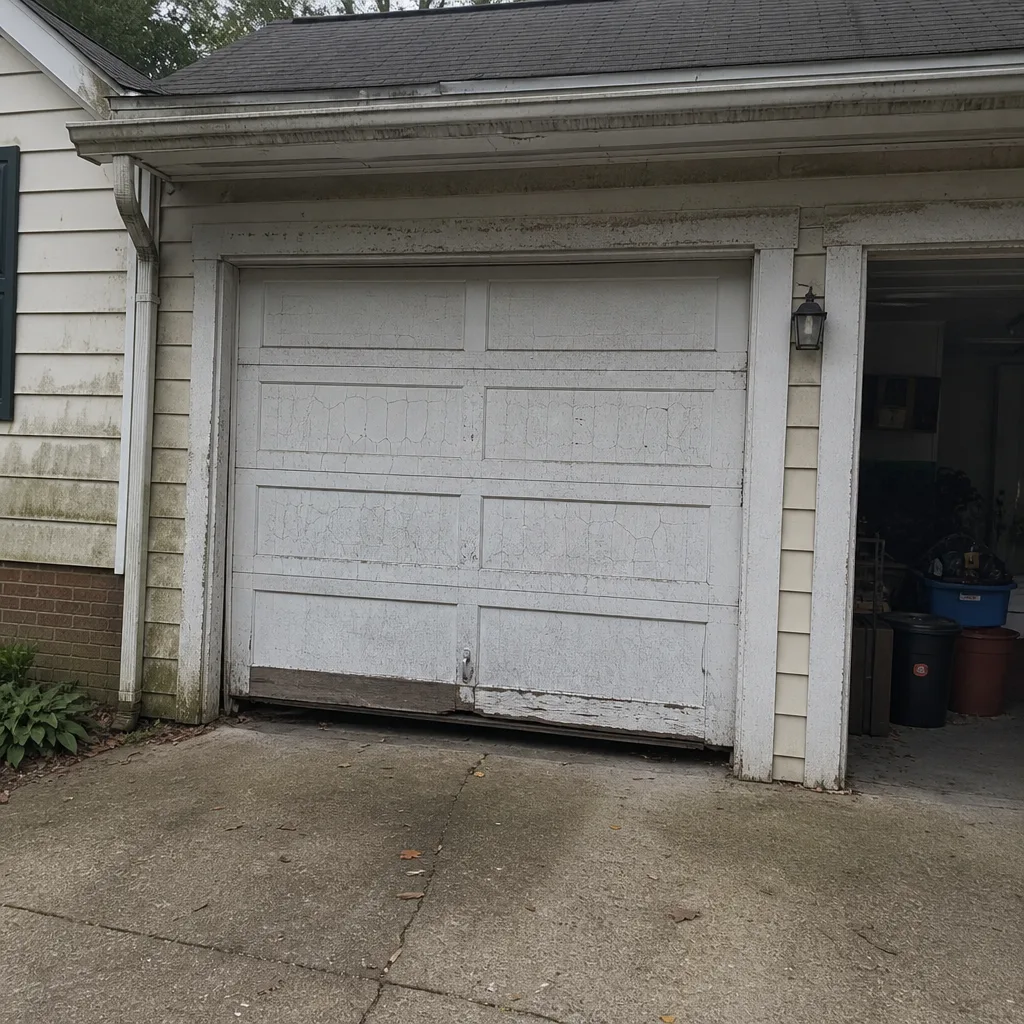 Before
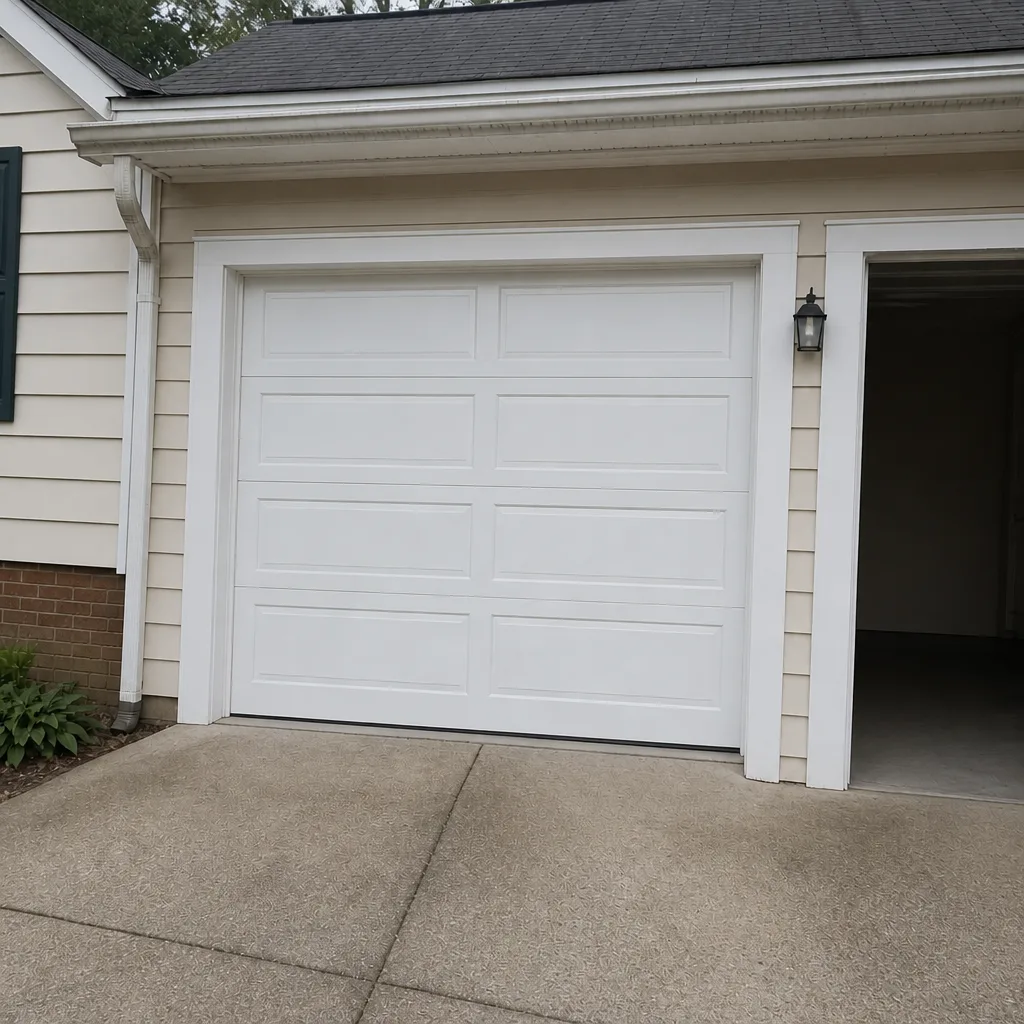 After
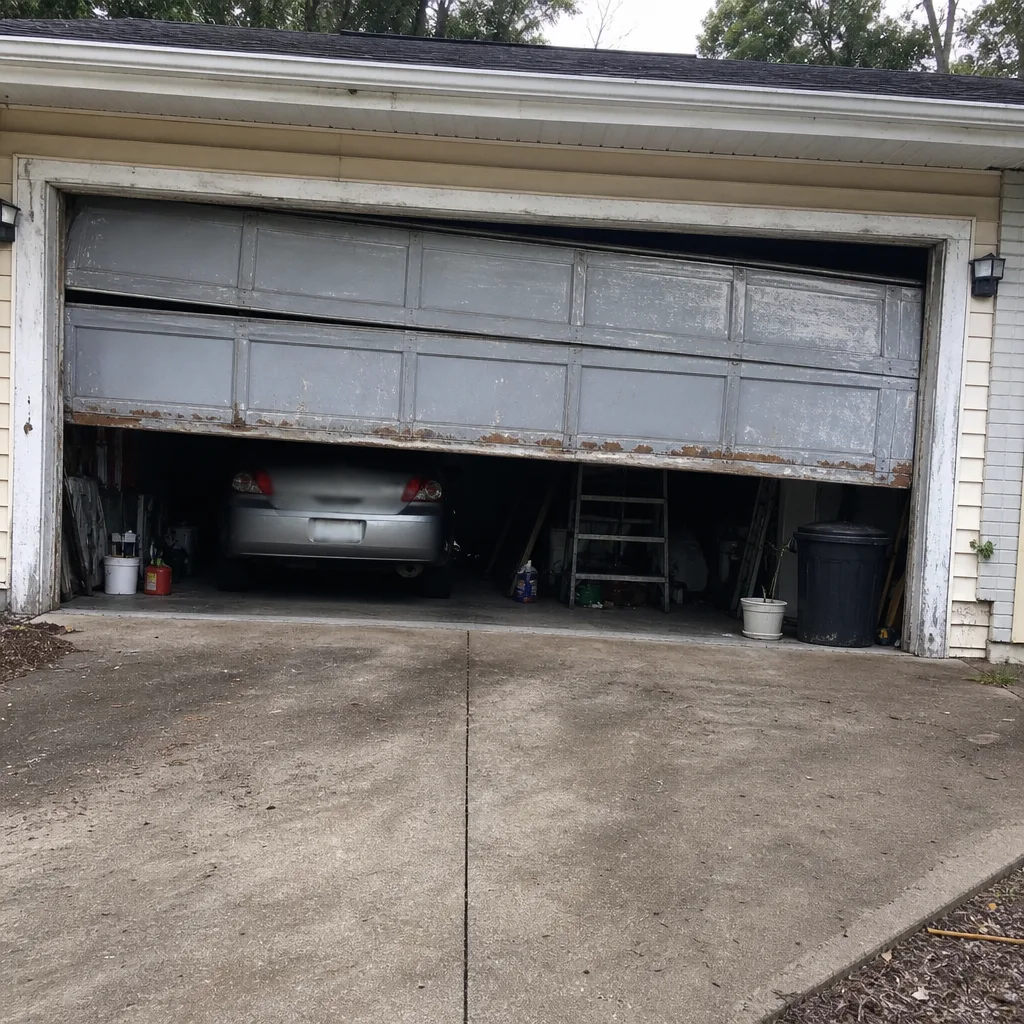 Before
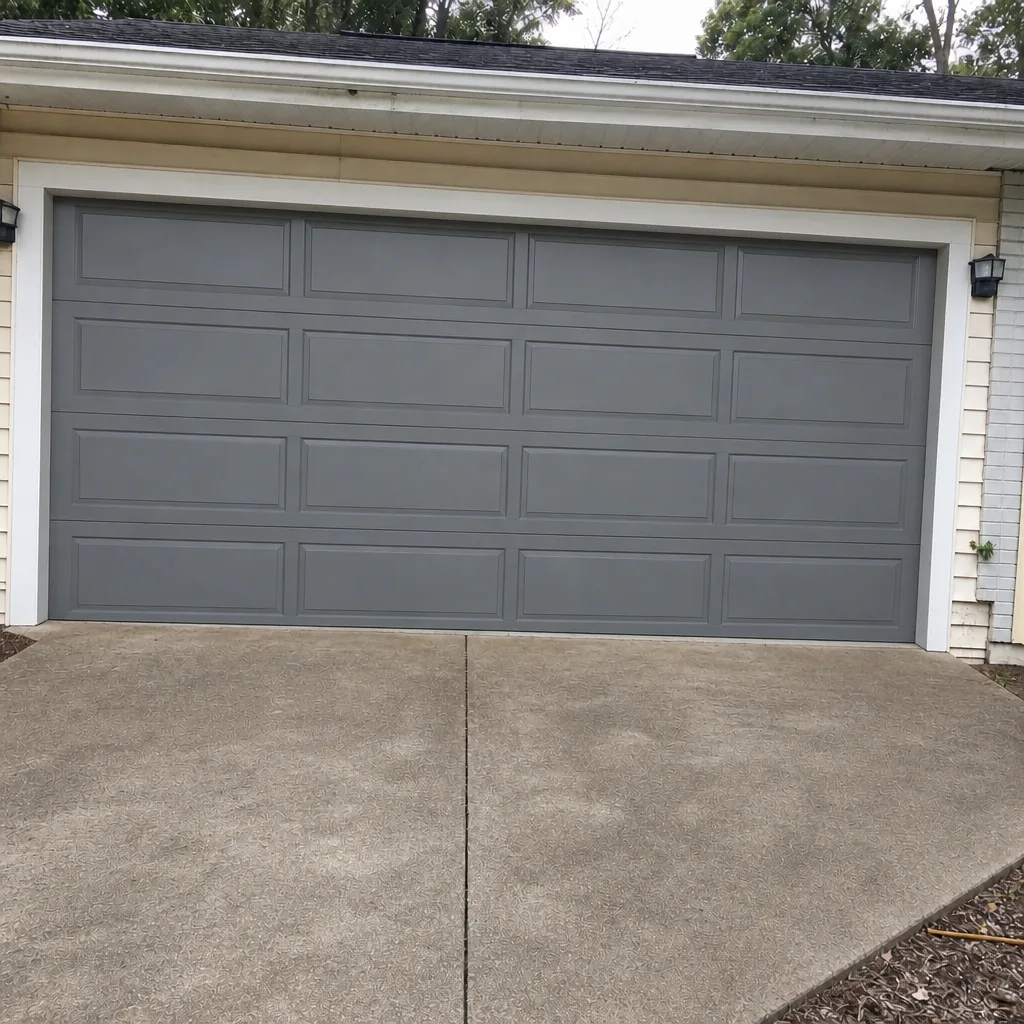 After
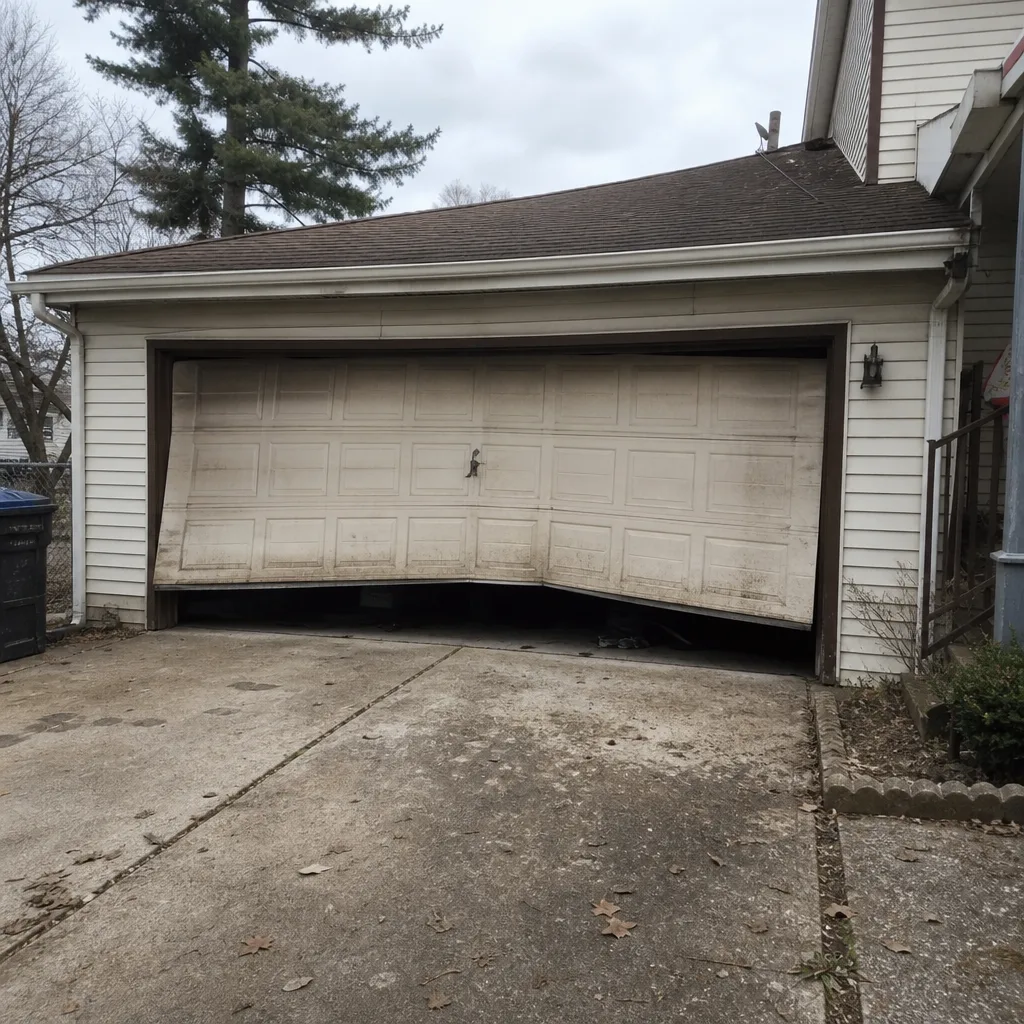 Before
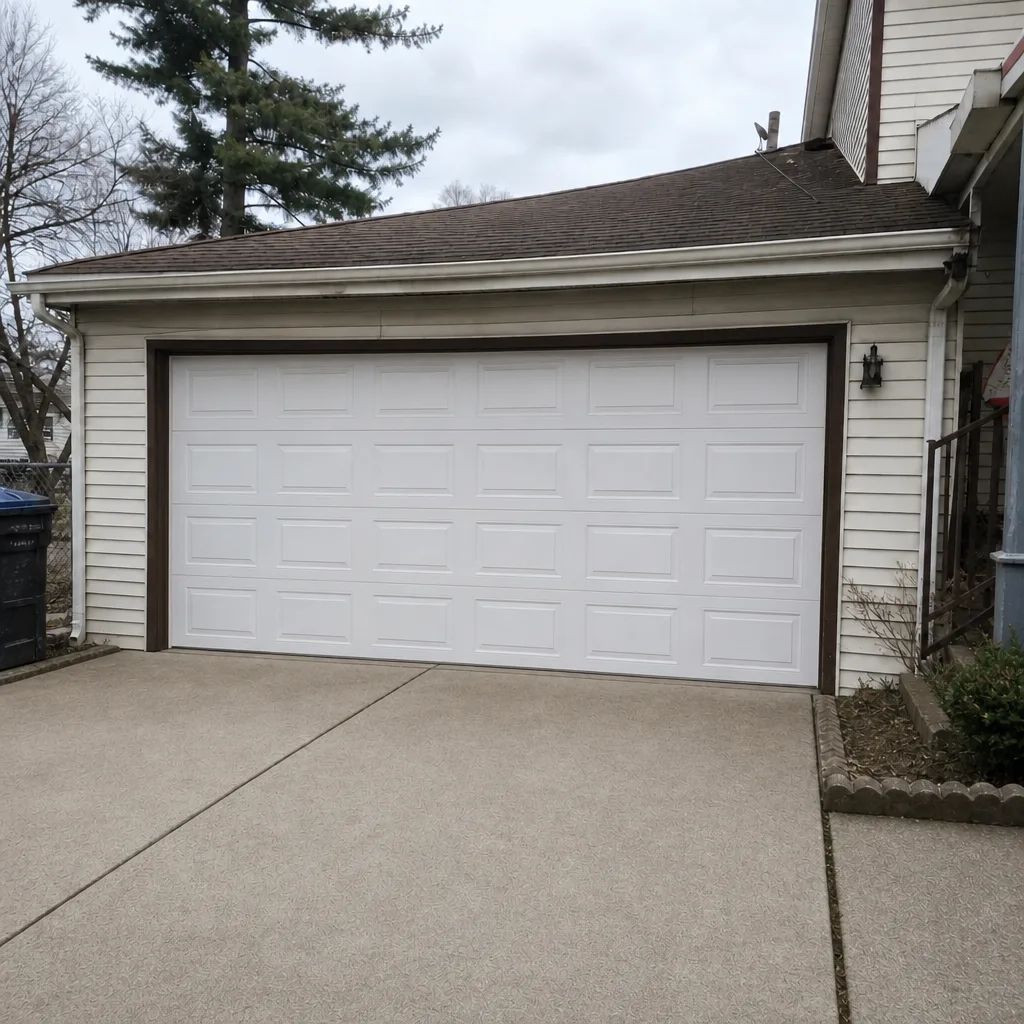 After
When to Call a Professional
Call a professional the moment you see a broken spring, a frayed cable, a door off its track, or a safety sensor that isn’t reversing the door. Those are safety issues, not maintenance notes, and the door shouldn’t be used until they’re corrected. Also call if the door slows or reverses without a clear cause, if the opener stops mid-cycle, or if the door starts making grinding or scraping sounds that weren’t there last month. Any of those could be the early stage of something bigger, and catching it early is what keeps it small.
We work with LiftMaster, Chamberlain, Genie, Clopay, Amarr, Wayne Dalton, Craftsman, and Raynor products, and our technicians have up to 13 years of experience. Garage Door Repair Oxford Circle offers free estimates in Oxford Circle. Call (855) 658-4215.
Frequently Asked Questions
Walk out and look at the springs above the door and the cables on both sides. A broken spring usually shows a visible gap in the coil. A frayed cable shows broken strands or slack. If both look fine, test the safety sensors and listen to one full open-and-close cycle. Those three checks cover the most serious failure modes, and if anything looks off, call us at (855) 658-4215 for a free estimate.
Yes, in most cases. A consistent symptom tells you exactly where the problem is and stays predictable. An intermittent one means a component is right at its limit, and the door can fail at a moment you can’t anticipate. That’s why we treat a door that occasionally reverses or sticks as an urgent call rather than a routine one. Call us and describe when it happens; that detail helps us diagnose it.
Grinding that comes from the rollers or hinges is usually a small repair. Grinding that comes from the track, or that’s paired with a door moving unevenly, can mean a bent track or a cable issue, which is bigger. The clearest test is whether the door runs smoothly and evenly. If the grinding is the only symptom, it’s often minor. If the door is also hanging crooked or slowing, call us for an exact diagnosis.
A slow door isn’t usually a stop-use situation, but it’s a warning sign worth acting on. Slow lifting is the classic sign of a spring losing tension, and the motor is compensating for it. If you keep running the opener, the motor is the next thing to fail. Call us for a free estimate so you can find out which part is behind it.
Most likely, yes. We work with LiftMaster, Chamberlain, Genie, Clopay, Amarr, Wayne Dalton, Craftsman, and Raynor products, including both legacy and smart/Wi-Fi-enabled openers. We’re set up for both the myQ ecosystem and Genie Aladdin Connect. Call (855) 658-4215 and tell us the brand and model; we’ll confirm before we come out.
Call us. Emergency garage door service is a core part of what we do, not a marketing line. If you’re stuck with a door that won’t open, a broken spring, or a safety concern, call (855) 658-4215 and we’ll work to get someone out as soon as possible. If your door is a safety hazard in the meantime, don’t force it.
The Bottom Line
Most garage door warning signs aren’t about the part that’s making noise. A slow door is usually a spring losing tension, an intermittent reverse is a sensor at the edge of its line, and a stubborn opener is often a door that’s gotten heavier. Learn your door’s normal sound and movement, check the springs, cables, and sensors once a season, and treat the safety signs (broken springs, frayed cables, misaligned sensors, off-track doors) as stop-use signals. A small repair caught early stays small. Call (855) 658-4215 for a free estimate in Oxford Circle, and we’ll help you read what your door is telling you.
Written by the team at Garage Door Repair Oxford Circle.