Last updated November 21, 2026
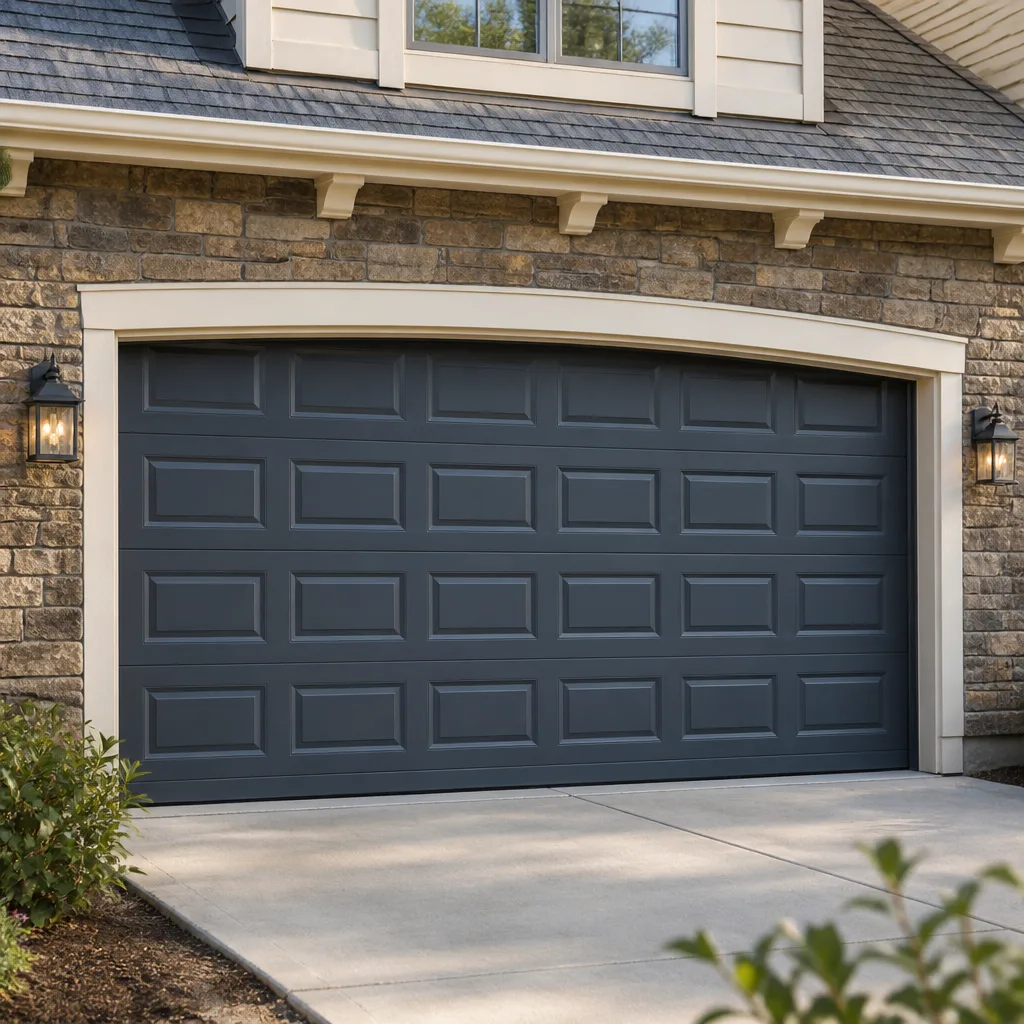 Raised-panel steel
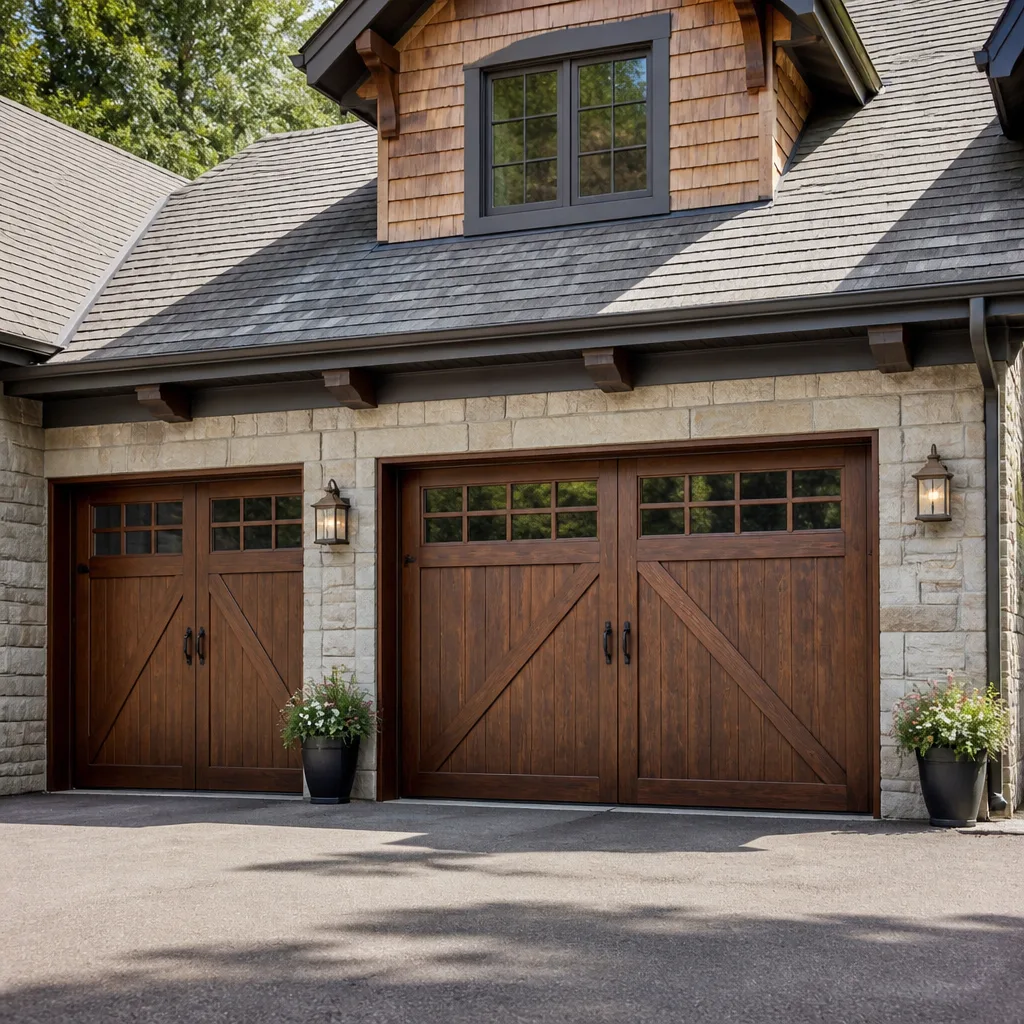 Carriage house
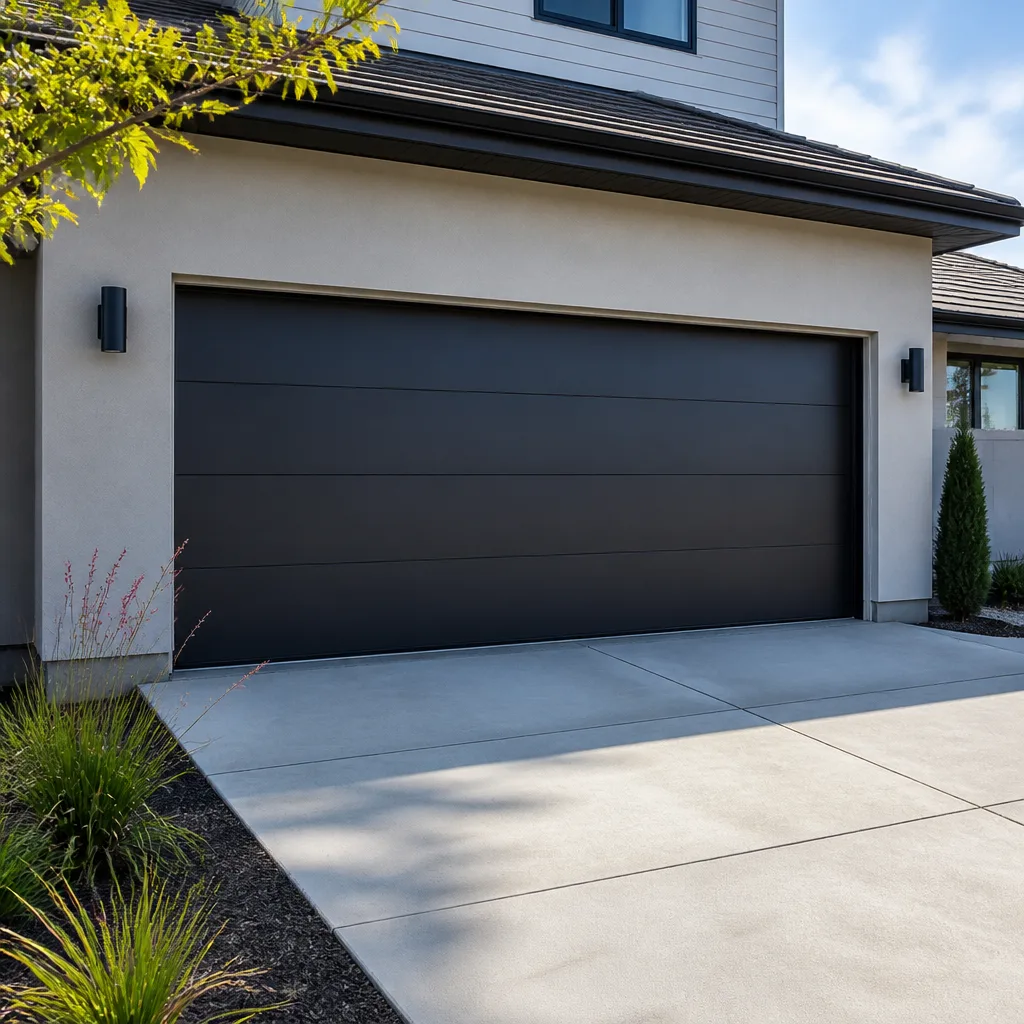 Modern flush
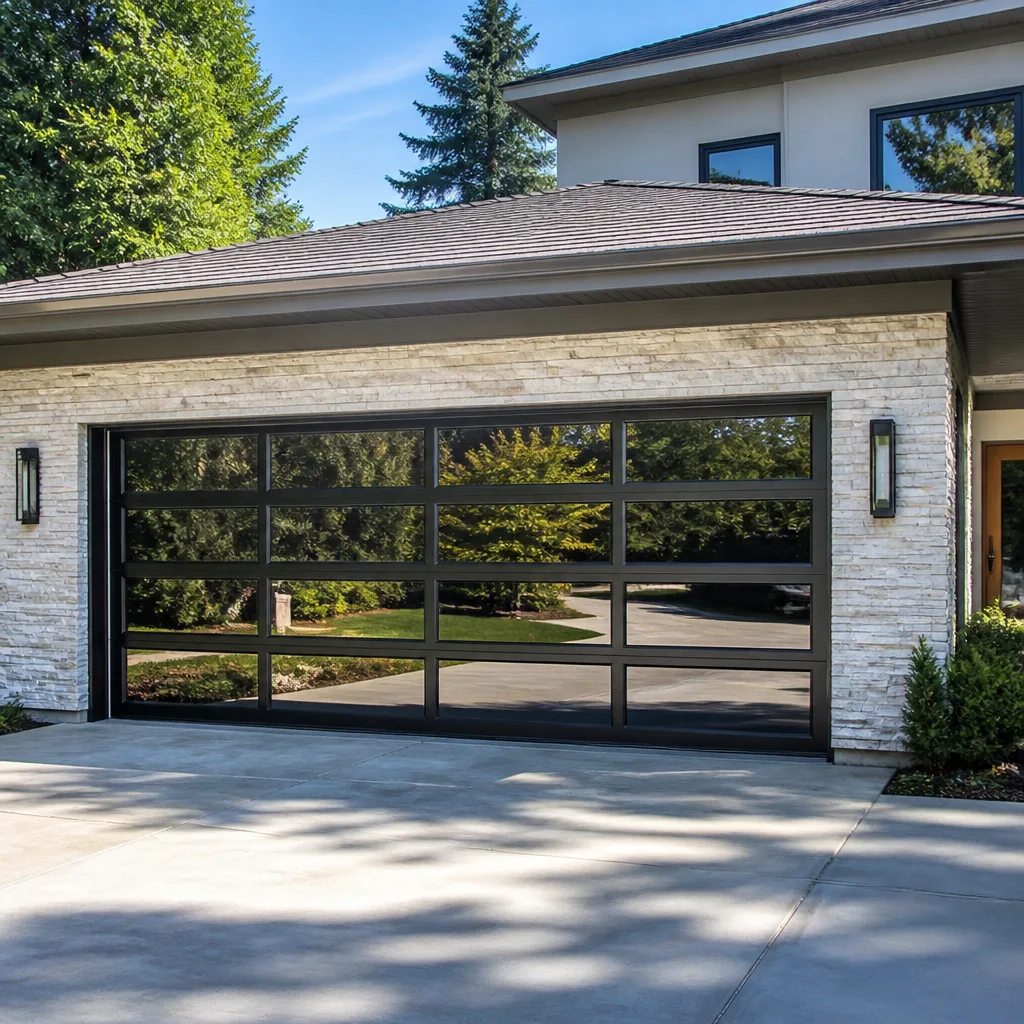 Full-view glass
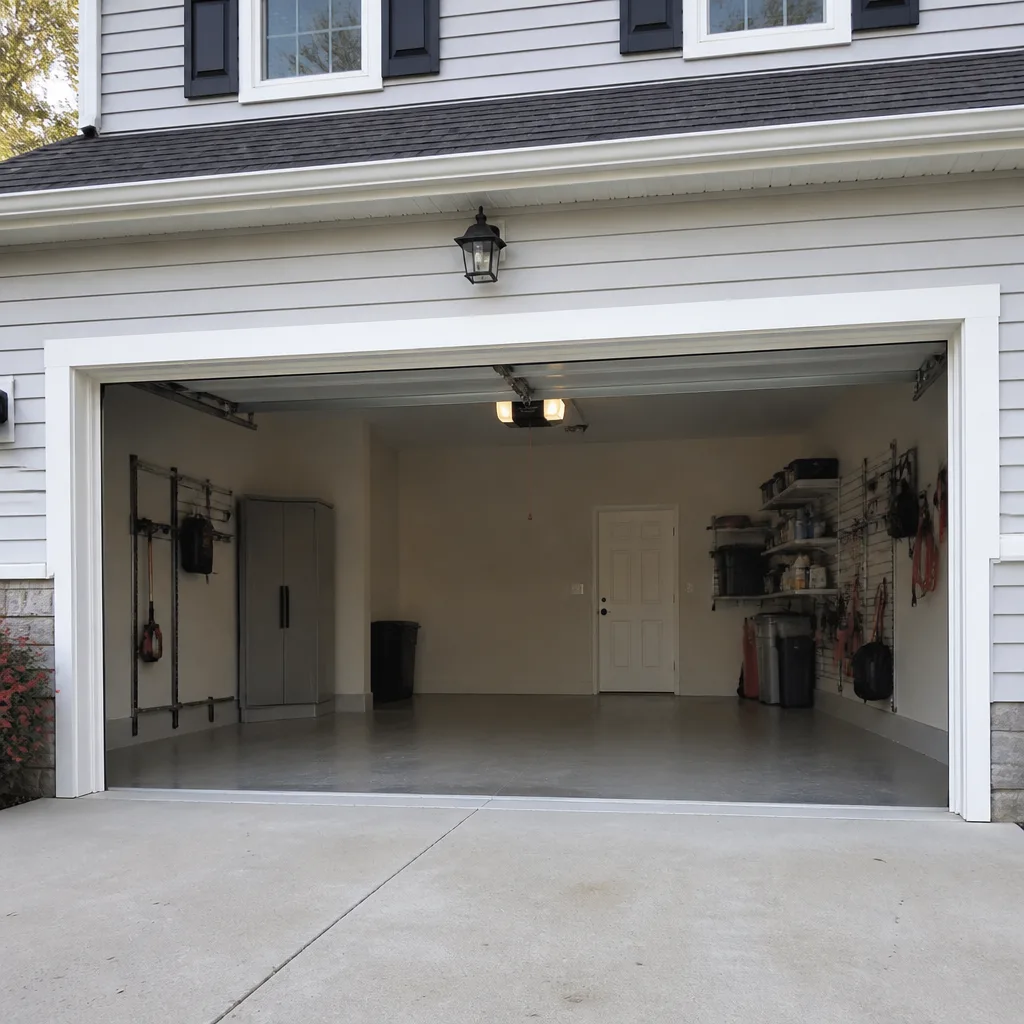 LiftMaster openers
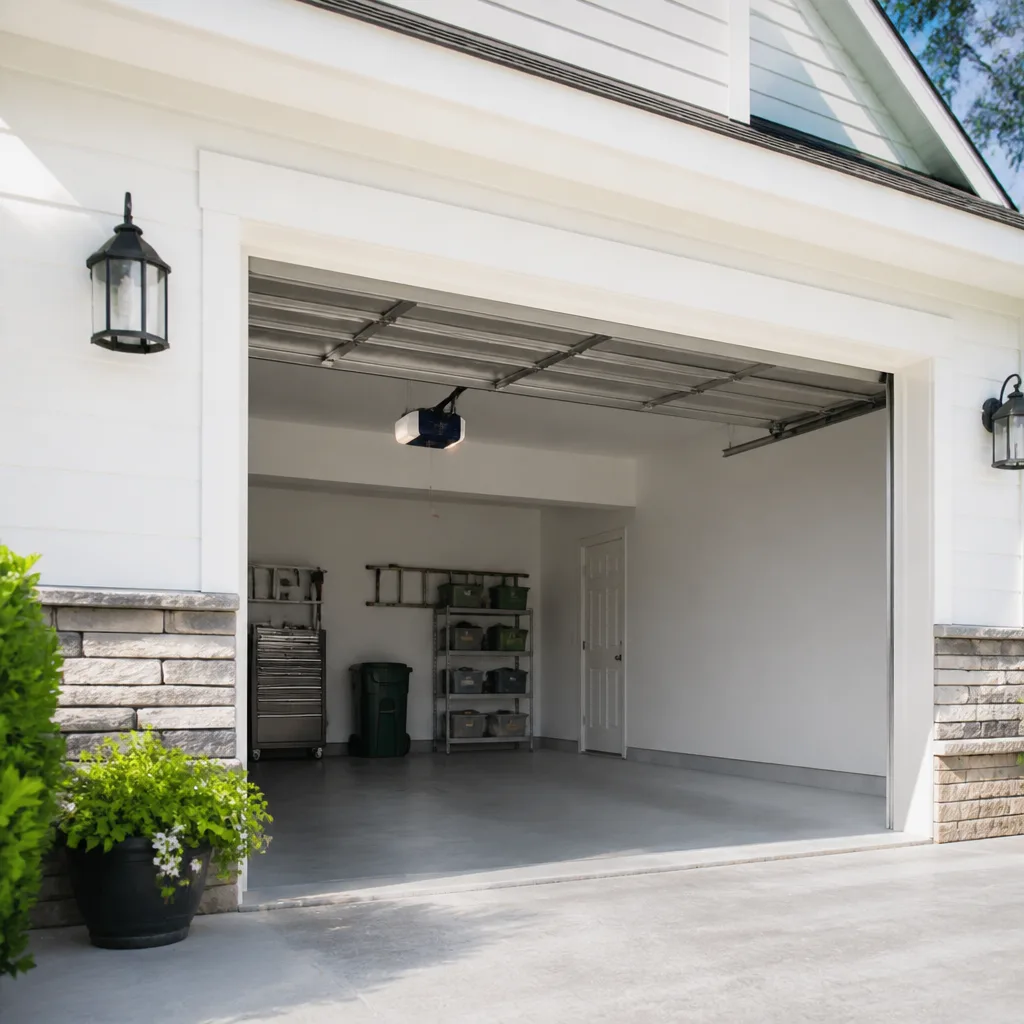 Chamberlain openers
Full 25-point door and opener safety check with every visit - springs, cables, rollers, tracks, and your LiftMaster or Chamberlain opener included
You get a price before we start. It does not change when the pro arrives.
Get your free estimateSeasonal Garage Door Care for Oxford Circle: Year-Round Homeowner’s Guide
Oxford Circle garage doors don’t usually fail in the worst of winter. They fail in the first hard freeze after a wet November, when swollen wood, contracted metal, and neglected lubrication all show up at once. By then the damage is done and you’re calling for emergency service in the dark. The fix is a calendar, not a repair bill. This guide lays out what to check and when across a full year in Oxford Circle, from the October prep window that decides how your door handles January to the humidity problem that quietly wears out openers all summer. You’ll learn the month-by-month rhythm that keeps a door running and the warning signs that mean it’s time to call.
Styles & brands we work with
- Raised-panel steel
- Carriage house
- Modern flush
- Full-view glass
- LiftMaster openers
- Chamberlain openers
Quick Answer
The most important month for your garage door in Oxford Circle is October. A wet fall followed by the first hard freeze is what triggers most winter breakdowns, so tightening hardware, conditioning weatherstripping, and lubricating moving parts before that freeze arrives prevents the majority of cold-weather service calls. Summer matters too: humid air stresses opener electronics and door hardware more than cold does, and a fall tune-up is only half the job. Year-round care in Oxford Circle means two focused tune-up windows (fall and late spring) plus monthly visual checks the rest of the year.
Table of Contents
- Why Oxford Circle’s Climate Breaks Garage Doors on a Schedule
- The October – November Prep Window That Decides Your Winter
- Winter in Oxford Circle: What Freeze-Thaw Does to Springs, Tracks, and Seals
- Spring Recovery: Reading the Weatherstripping After a Northeast Philly Winter
- Summer Humidity and Why Your Opener Acts Up in July
- How Spring Tension Changes With the Seasons (and Why It’s Adjustable)
- Month-by-Month Garage Door Task List for Oxford Circle
- Common Mistakes to Avoid
- When to Call a Professional
- Frequently Asked Questions
- The Bottom Line
Why Oxford Circle’s Climate Breaks Garage Doors on a Schedule
Oxford Circle sits in Northeast Philadelphia, where the weather isn’t dramatic by national standards but it is consistent, and consistency is what wrecks garage doors. The pattern repeats every year: a wet autumn, a winter that swings above and below freezing week to week, and a humid summer with temperature swings that push opener electronics harder than January ever does. None of these seasons is extreme on its own. Stacked together, they create a predictable rotation of failures that a little seasonal prep can interrupt.
The mechanics are simple. Wood components absorb moisture in a wet fall, swell, then contract hard when the first freeze hits. Metal tracks and hinges contract faster than the wood they’re mounted to, which loosens fasteners and throws the door slightly out of alignment. Steel door panels and springs behave differently still. In summer, humidity gets into opener circuit boards and photo-eye housings, and the daily temperature swing from a hot afternoon to a cool night causes repeated expansion and contraction that works screws loose and stresses solder joints.
What this means for homeowners in Oxford Circle is that the door tells you what’s coming if you know what to look for. A door that starts running slightly rougher in late October is warning you about a January breakdown. A door that hesitates or reverses intermittently in July is telling you about an opener that’s overheating, not one that’s failing from old age. Read the seasons right and you spend far less time dealing with a door that won’t open when you need it.
The rowhouse blocks around Oxford Circle add their own wrinkle. Attached garages hold heat differently than detached ones, and doors that face west take far more afternoon sun and expansion stress in summer than doors facing north. If your door gets full afternoon sun from June through September, treat the summer checks in this guide as more urgent than the fall ones.
The October – November Prep Window That Decides Your Winter
The single most useful thing you can do for an Oxford Circle garage door is spend two hours on it in October or early November, before the first hard freeze. This is the window that determines whether your door survives January without a service call. The work is basic, but the timing isn’t optional: a wet autumn has already swelled wood and loosened hardware, and the first freeze locks whatever condition the door is in until spring thaws it.
Here’s the fall checklist we recommend, in order:
- Tighten every visible fastener. Go along the tracks and hinges with a socket wrench. In a wet Northeast Philly fall, wood-mounted brackets loosen as the wood dries out, and by the first freeze those fasteners hold nothing.
- Lubricate the moving parts. Hinges, rollers, and the torsion or extension spring (if it’s the type designed for it) get a proper garage door lubricant, not WD-40. Do this before cold sets in, because lubricant applied thin goes stiff in the freeze.
- Inspect and condition the weatherstripping. Run a hand along the bottom seal and the perimeter seals. If the rubber has hardened or cracks when you bend it, it won’t seal against a freeze and you’ll get a cold garage all winter.
- Balance-test the door. Disconnect the opener, lift the door halfway by hand, and let go. A balanced door stays put. One that drifts down or shoots up is telling you the spring tension is off before the cold makes it worse.
- Test the safety reverse. Put a piece of wood on the floor in the door’s path and close it. The door should reverse on contact. This is a safety function, and cold weather is exactly when photo eyes are most likely to fog or slip.
- Check the opener’s force settings and battery backup. Most modern openers, including LiftMaster and Chamberlain models, have adjustable force limits and a battery backup that should be tested before winter storms knock out power.
Two hours in October prevents the most common cold-weather service calls we see in Oxford Circle. If any step turns up something you can’t fix safely, get a professional out before the freeze rather than after.
Winter in Oxford Circle: What Freeze-Thaw Does to Springs, Tracks, and Seals
Winter in Oxford Circle is a freeze-thaw loop, not a deep freeze. That’s harder on a garage door than a solid cold snap, because repeated cycles of freezing and thawing cause contraction and expansion in quick succession, and metal parts fatigue faster than they would in steady cold. The parts that suffer most, in order, are the torsion springs, the track alignment, and the bottom seal.
Torsion springs are under constant load, and cold makes steel more brittle. A spring that’s already nearing the end of its cycle can fail at the first deep freeze of the year, usually in the middle of a January night. The classic sign is a loud bang from the garage and a door that won’t lift. This is not a job to attempt yourself. Torsion springs store enormous energy and are the most dangerous component in the entire garage door system. Call a professional.
Winter also loosens tracks, because the wood they’re anchored to contracts and the fasteners lose grip. A track out of alignment shows up as the door binding, running crooked, or stopping halfway. Do not force a door that’s binding in cold weather: you can bend a panel or strip a hinge faster than you can fix it. Close the door, leave it, and call.
The bottom seal takes a beating every winter too. Ice grips the rubber and pulls it away from the door as the door cycles, and the threshold it seals against freezes unevenly. If you feel cold air rolling into the garage on a January morning, check whether the seal has separated from the door bottom. If it has, that’s an easy spring repair, but don’t let it run all winter.
If your door fails in the cold, we offer emergency garage door repair Oxford Circle for exactly these situations. A door that’s stuck open in freezing weather is a security risk and a heat-loss risk, and it shouldn’t wait for a regular appointment.
Spring Recovery: Reading the Weatherstripping After a Northeast Philly Winter
When the thaw comes, the weatherstripping tells you what winter did. In Oxford Circle, the failure sequence runs predictably from the bottom of the door up. The bottom seal goes first, because it takes the most direct contact with ice and snow. Next is the perimeter seal along the sides, which has been compressed by a season of the door cycling against a shrinking frame. The top seal is usually fine and doesn’t need replacing unless it’s visibly torn.
Walk around the door in March or early April with a flashlight and check for these signs in order:
- Bottom seal: Look for chunks missing, hard brittle rubber, or a gap between the seal and the door. If you can slide a finger under it, it’s not sealing.
- Side seals: Check whether the rubber has pulled away from the door frame or the door itself, and whether it’s flattened so it stays bent instead of springing back.
- Top seal: Check for tears and whether it’s still contacting the door header.
- Threshold: Look for pitting, lifted sections, or freeze damage to the threshold itself, especially where the door bottom meets the ground.
Replace the bottom seal at the first sign it’s hardened. A hardened seal that lets water in around the door bottom can rust the track anchors and eventually the door panel edges, which is a far bigger repair than a strip of rubber. This is the cheap, high-value repair of the spring season.
Spring is also when we see the most requests for a full garage door repair after winter wear. The common pattern is binding tracks, bent hinge leaves, and a door that no longer sits square in its opening. All of those trace back to a winter of freeze-thaw cycles and to fall prep that didn’t get done.
Summer Humidity and Why Your Opener Acts Up in July
Here’s the part most seasonal-care advice gets wrong for Oxford Circle. Summer humidity causes more opener malfunctions than winter cold does. Philadelphia summers keep humidity high for weeks at a time, and that humidity gets into opener circuit boards, photo-eye housings, and the logic board. The daily swing from a hot afternoon to a cooler night also causes repeated expansion and contraction in the opener’s mounting and wiring, and small solder joints and screw terminals loosen over a season.
The failures we see in an Oxford Circle July look like this:
- A door that closes and then immediately reverses for no apparent reason. The photo eye has fogged, has moisture inside the lens, or the sun has hit it at an angle it can’t handle.
- An opener that works in the morning and not in the afternoon. The logic board is overheating, often because the garage itself is hotter than the opener’s rated range.
- A wall-mounted remote that responds intermittently, or a smart-home connection through the LiftMaster/Chamberlain myQ or Genie Aladdin Connect platforms that drops off.
- A door that closes partway and then stops, or beeps and reverses, because the force settings have drifted in the humidity.
Most of these are fixable with opener maintenance: clean the photo eyes, clear obstructions, check that the opener is vented and not boxed in, and re-run the safety reverse test. If the same problem comes back within a couple of weeks, or the door reverses at random even after cleaning, the issue is inside the opener, and you should get a garage door opener repair professional to look at it. We’re familiar with LiftMaster, Chamberlain, Genie, Clopay, and the other major brands, so we’re not guessing at how your opener should behave.
How Spring Tension Changes With the Seasons (and Why It’s Adjustable)
Spring tension changes with temperature, and most homeowners don’t know this is adjustable. Metal springs lose tension as they warm and gain it as they cool, and a door that’s perfectly balanced in April will feel heavy in January and light again by May. The door’s own weight changes too: a wooden door absorbs moisture in a wet fall and gets heavier, which is the exact mechanism that makes a wet-November-then-freeze winter so hard on springs.
You should know that spring tension can be adjusted, but you should not adjust it yourself. The springs are under extreme load, the adjustment process requires specific tools, and the failure mode is severe injury. What you can do is recognize when the door needs an adjustment, and call a trained professional to do it. Watch for these signs that tension is off:
- The door drifts. Open it halfway by hand and let go. If it drifts down, the springs are under-tensioned. If it lifts up, they’re over-tensioned.
- The opener struggles. A door that’s too heavy for its opener causes the opener to labor, overheat, and eventually strip its drive gears. If you’re hearing effort where you used to hear smooth operation, tension is the first place to check.
- The door is uneven. If one side lifts before the other, the two springs are at different tensions, and that’s hard on the whole system.
- It happens after a temperature swing. If a door that worked fine in spring gets heavy in January, temperature is the likely culprit, not a failing spring. Get it checked rather than assuming it’s time for replacement.
Our technicians have up to 13 years of experience, and spring repair is something we do as a core specialty rather than a referral. If your door is drifting, straining, or won’t stay up, that’s the point to call. Do not attempt a spring adjustment yourself, no matter how simple the videos online make it look.
Month-by-Month Garage Door Task List for Oxford Circle
Generic “winter prep” advice isn’t much use in Oxford Circle. The climate here runs on a specific pattern, so this is the calendar we recommend to homeowners who want to stay ahead of it. The months are grouped where the same tasks apply.
January – February: The Hard Freeze
- Listen for any new noise on the door cycle. Grinding or popping in cold weather is a warning.
- Check the bottom seal after any ice or snow event. Clear snow from the threshold so it doesn’t freeze to the seal.
- Test the opener’s battery backup. Winter storms knock out power, and you don’t want to find out the backup is dead during an outage.
- Do not force a door that’s binding. Call if the door stops partway or the opener strains.
March – April: Spring Recovery
- Inspect the weatherstripping in the order this guide covers: bottom, sides, top, threshold.
- Balance-test the door by hand.
- Clear the tracks of grit and winter debris.
- Tighten fasteners, since a season of freeze-thaw will have loosened some.
May – June: Pre-Humidity Prep
- Clean the photo eyes and check them for moisture.
- Test the safety reverse.
- Clear the area around the opener so it can vent in the heat.
- Test any smart-home connection through your opener’s app. This is the best time to catch a failing Wi-Fi module before you need the door.
July – August: The Humidity Stretch
- Recheck the photo eyes monthly. July is when they fog.
- Watch for an opener that works in the morning and not later. That’s heat, and it needs attention.
- Check that the door doesn’t get sun-baked in the afternoon. If it does, expect more expansion stress and check fastener tightness more often.
- Look for rust on the tracks, especially if your garage is humid and poorly ventilated.
September: Pre-Fall Check
- Do a full visual and balance test before the fall prep window opens.
- Check that the bottom seal is still intact ahead of wet weather.
- Lubricate hinges and rollers ahead of the cold.
October – November: The Prep Window
- Run the full fall checklist from this guide. This is the two-hour window that matters most.
- Get any repair on the door done before the freeze, not after.
- Condition or replace the weatherstripping.
December: Buffer and Winterize
- Re-lubricate anything that’s stiffened in the cold.
- Final balance test before the deep freeze.
- Confirm the battery backup is charged and the safety reverse works.
If your garage door is at the end of its service life, this calendar isn’t a substitute for replacement. Planning a new door in the fall, before the weather turns, gives you the widest selection and the most comfortable install schedule. We can talk through options from Clopay, Amarr, Wayne Dalton, and the other brands we work with when you’re ready for garage door installation.
Common Mistakes to Avoid
Most of the garage door problems we see in Oxford Circle come from a handful of recurring mistakes. Avoid these and you’ll skip a lot of service calls.
- Waiting for a failure to do any maintenance. The whole point of the October prep window is that it happens before the freeze. A door that’s already failing in January has lost a season’s worth of opportunity to fix it cheaply.
- Lubricating with the wrong product. Sprays sold as general-purpose lubricants are too thin for a garage door and go stiff in cold weather. Use a proper garage door lubricant on hinges and rollers, and never lubricate the tracks themselves; the rollers need friction against the track to roll.
- Adjusting spring tension yourself. This is the single most dangerous thing a homeowner can try. Torsion springs can cause serious injury and even death, and the tools and procedures are not a do-it-yourself job. Call a professional.
- Ignoring weatherstripping because it looks fine. The bottom seal and side seals degrade from the inside out, and a seal that feels intact can be leaking air and water. Test it by hand rather than trusting your eye.
- Blaming the opener for a door problem. When a door won’t close, homeowners often assume the opener is at fault. Most of the time the opener is fine and the door is binding, the tracks are out of alignment, or the springs are out of balance. Diagnose the door before you replace the opener.
- Skipping the summer checks. In the Oxford Circle climate pattern, summer is the season that stresses the opener. The photo eyes and the logic board need attention in July, not just in October.
- Forcing a frozen or binding door. In a freeze, a door that’s stuck can bend panels or strip hinges if you force it. Close it, leave it, and call.
When to Call a Professional
Some seasonal care is safe for a homeowner and some isn’t, and the line between them is fairly clear. Call a professional in these situations: any suspected spring problem, including a door that drifts, a bang from the garage, or a door that won’t lift; a door that binds or stops partway; any opener issue that returns after basic cleaning; a track out of alignment; and any failure during a freeze where the door is stuck open or closed. Any issue involving the torsion or extension springs, the overhead tracks, or the door’s structural panels should go to a trained technician, full stop.
Garage Door Repair Oxford Circle offers free estimates in Oxford Circle, and you can reach us at (855) 658-4215. We handle spring repair as a core service, we’re familiar with the major opener brands, and we offer emergency service for doors that can’t wait for a regular appointment.
Frequently Asked Questions
October into early November is the best window. That’s when a wet fall has already loosened hardware and swelled wood, and getting the door tightened, lubricated, and balanced before the first hard freeze prevents the majority of winter breakdowns. A secondary tune-up in late spring catches winter damage and prepares the door for the summer humidity.
Humidity is the cause. In Oxford Circle’s summer pattern, humid air gets into opener circuit boards and photo-eye housings, and the daily temperature swings cause expansion and contraction that loosen connections. The result is openers that work in the morning and fail in the afternoon. Cleaning the photo eyes and clearing ventilation around the opener fixes many of these; if the problem returns, call (855) 658-4215 for a proper diagnosis.
No. Spring tension does change with temperature, and it is adjustable, but the adjustment should only be done by a trained professional. The springs are under extreme load and the risk of serious injury is real. If your door feels heavy or drifts, call a professional rather than attempting the adjustment yourself.
Check the bottom seal first, then the side seals, then the top seal and threshold. The failure sequence after a Northeast Philly winter runs from the bottom of the door up, because the bottom seal takes the most direct contact with ice. If the rubber is hard or cracked, or you can slide a finger under the seal, it needs replacing.
A seasonal tune-up is priced by written estimate after we see the door, so the exact cost depends on what the inspection turns up. We give you the estimate before any work starts, and the written quote is the price. Call (855) 658-4215 for a free estimate.
Every season, but the focus shifts. Fall is about tightening, lubricating, and sealing before the freeze. Winter is about watching for binding and spring strain. Spring is about recovering the weatherstripping and checking balance. Summer is about the opener, humidity, and photo eyes. A monthly visual check covers the gaps.
The Bottom Line
The Oxford Circle climate doesn’t fail garage doors in the worst of winter: it fails them at the transition points, when a wet fall meets the first freeze and when summer humidity attacks the opener. Seasonal care is a calendar, and the two windows that matter most are the October – November prep and the late-spring recovery after the thaw. Add monthly visual checks, never touch the springs yourself, and get any binding, drifting, or recurring opener issue looked at before it becomes an emergency. Our technicians have up to 13 years of experience and we handle spring repair, opener service, and full installation as a single source, so one call covers it.
If you’d like a free estimate on a seasonal tune-up or a repair, call Garage Door Repair Oxford Circle at (855) 658-4215 today.
Written by the team at Garage Door Repair Oxford Circle.
See the difference
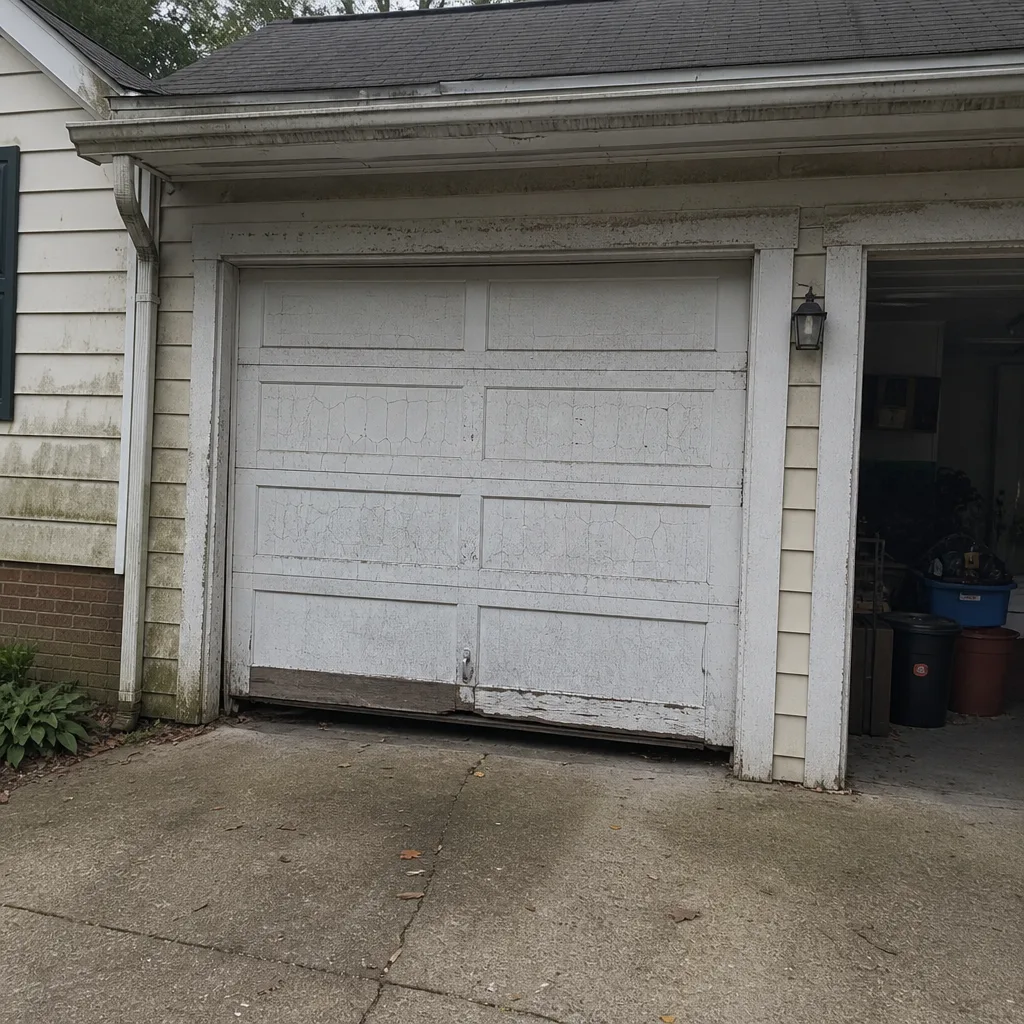 Before
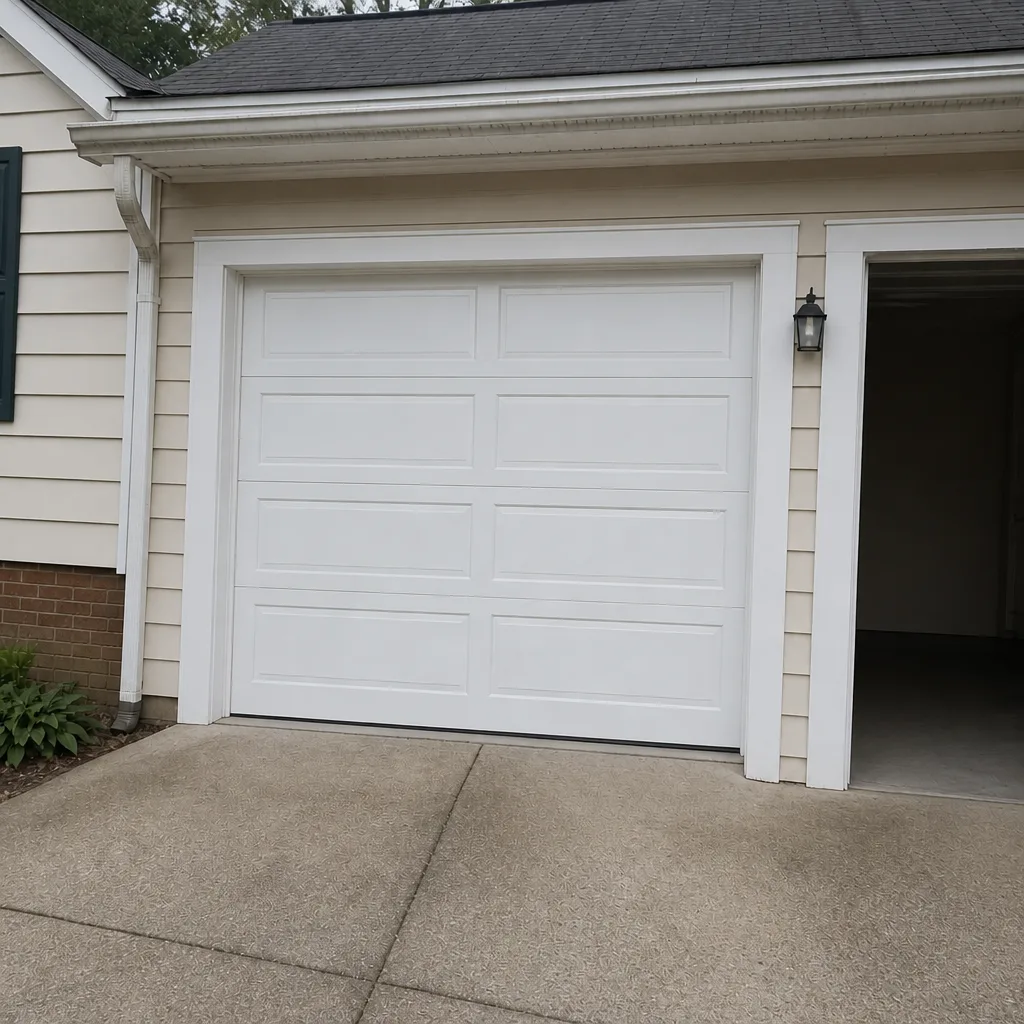 After
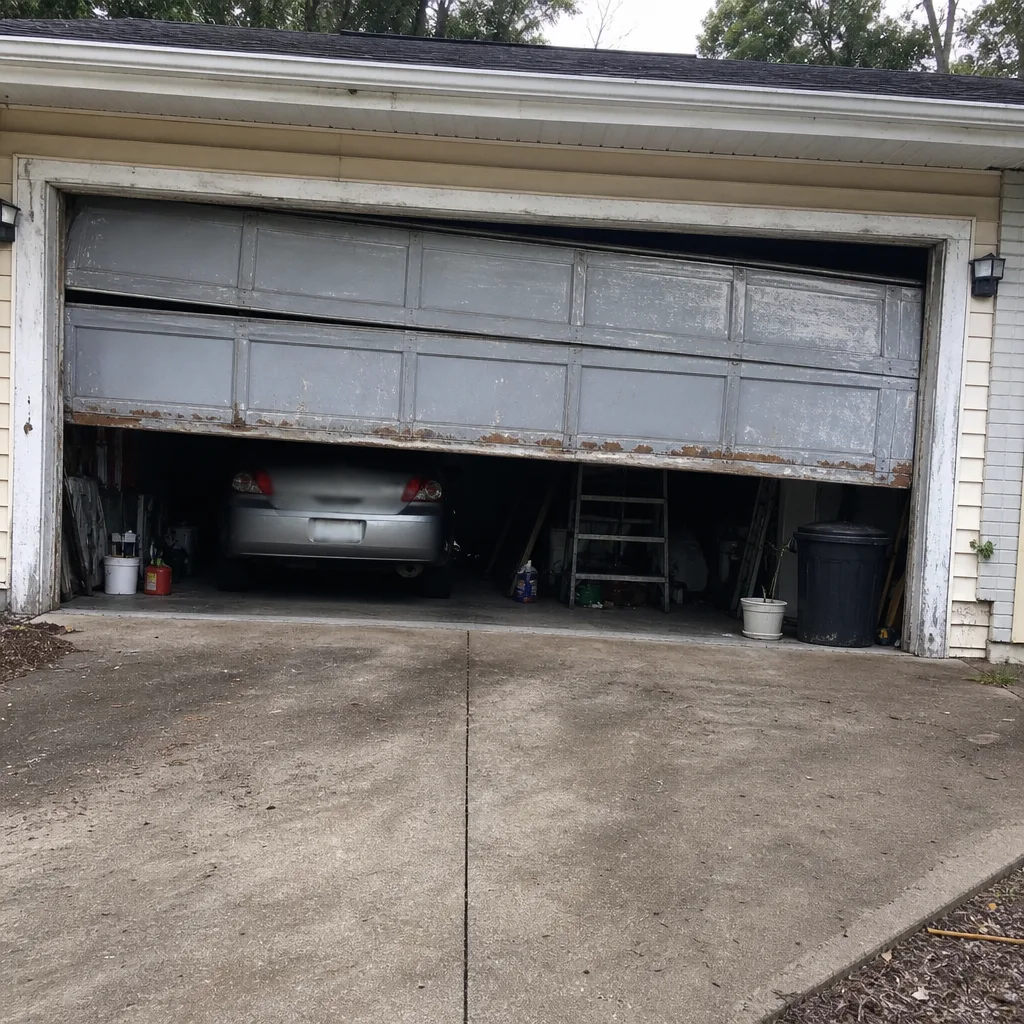 Before
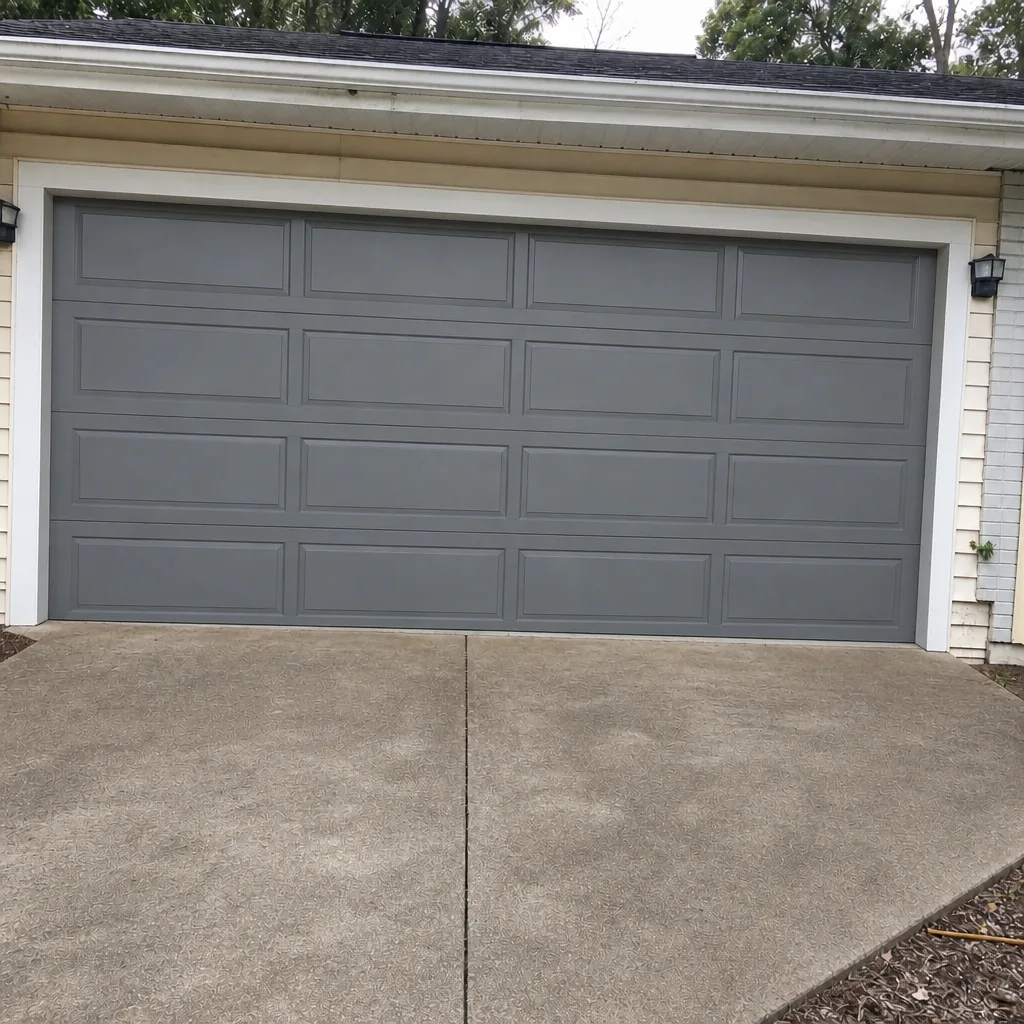 After
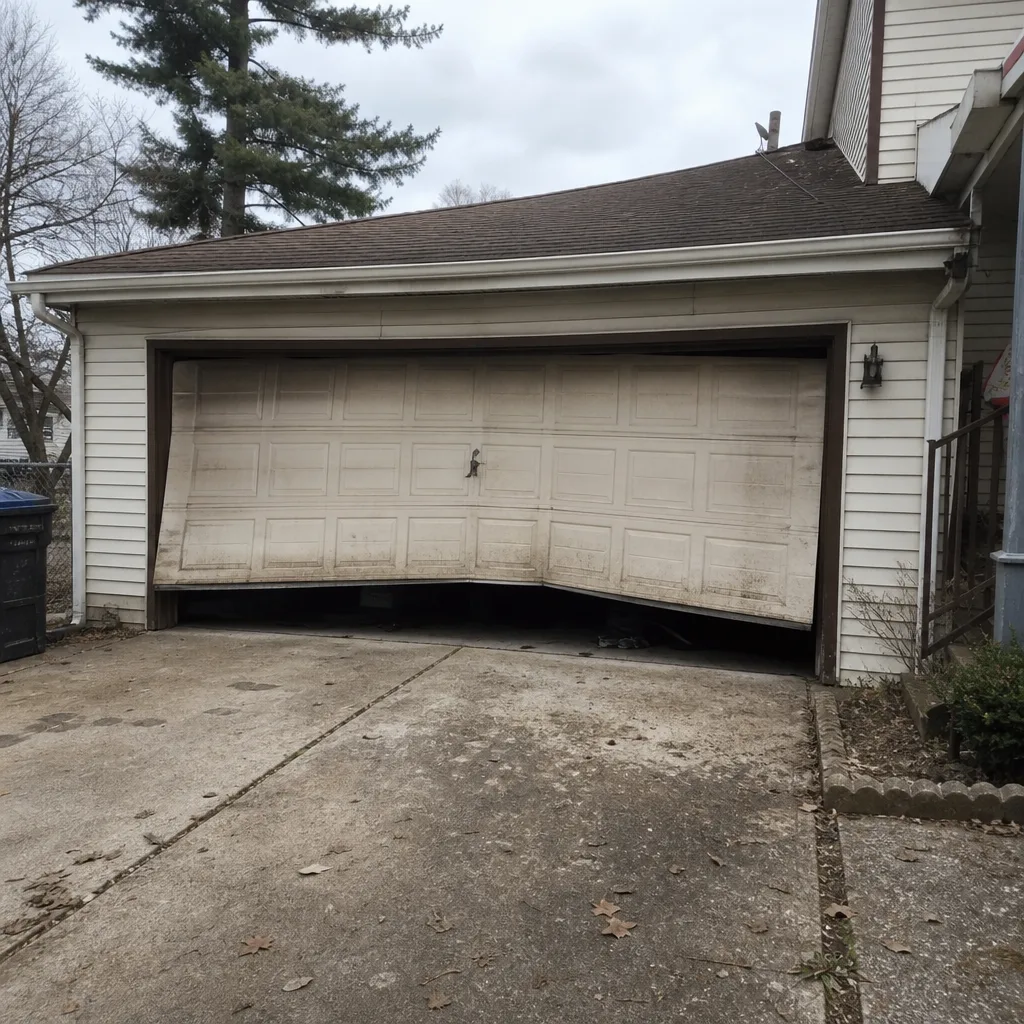 Before
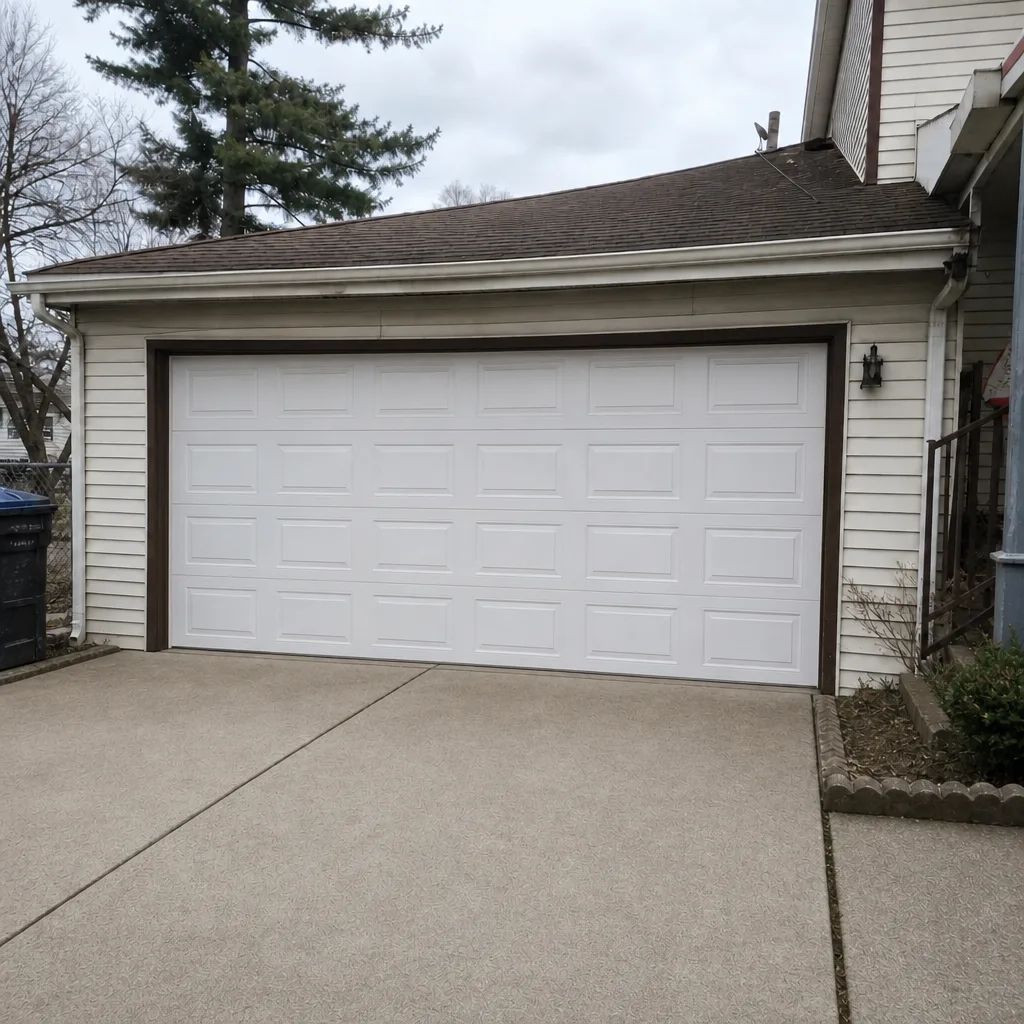 After