Last updated November 21, 2026
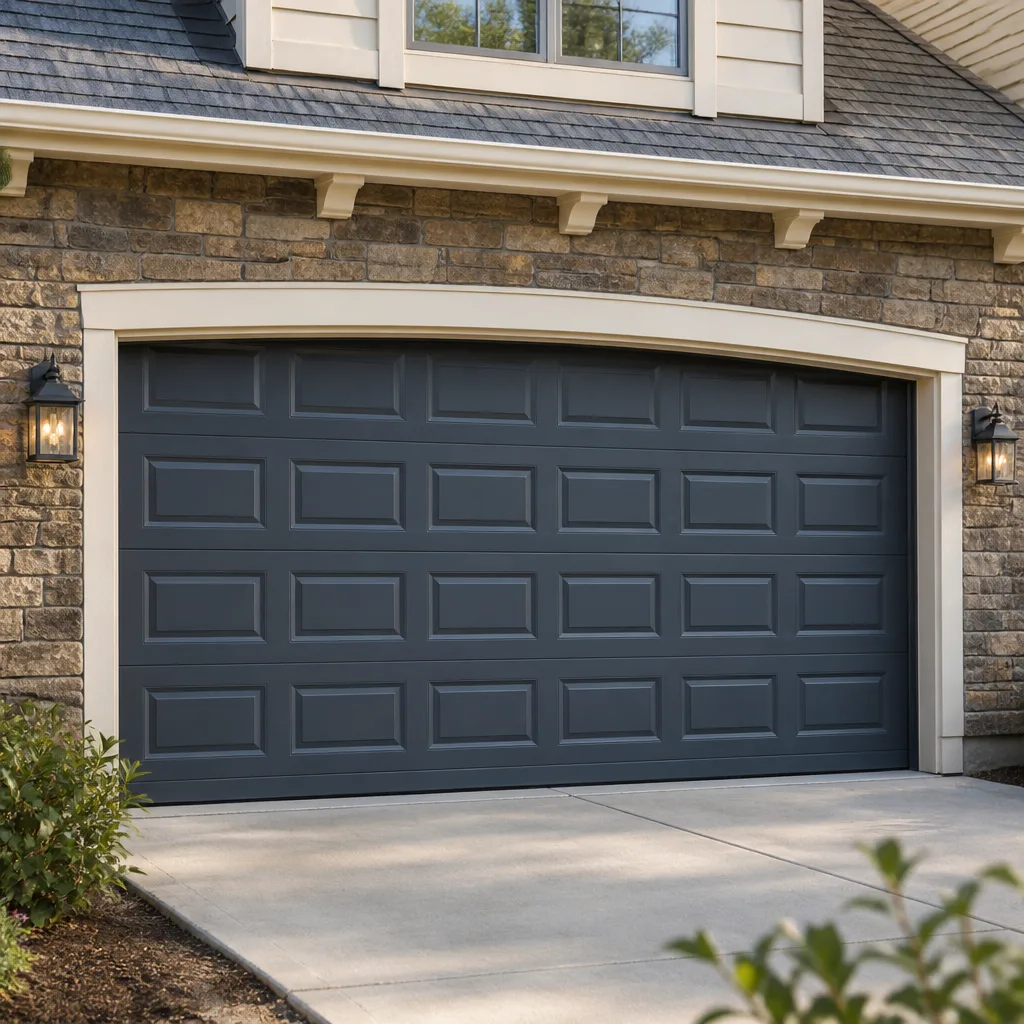 Raised-panel steel
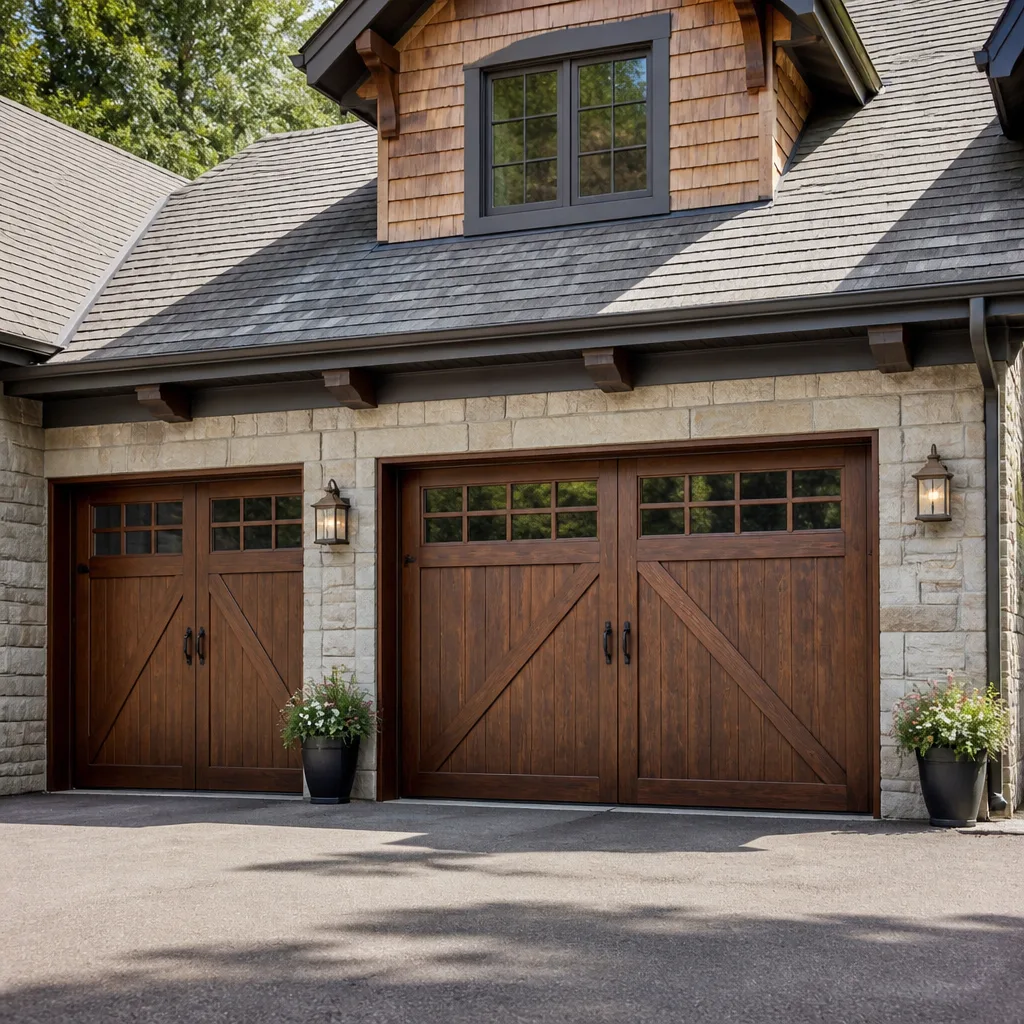 Carriage house
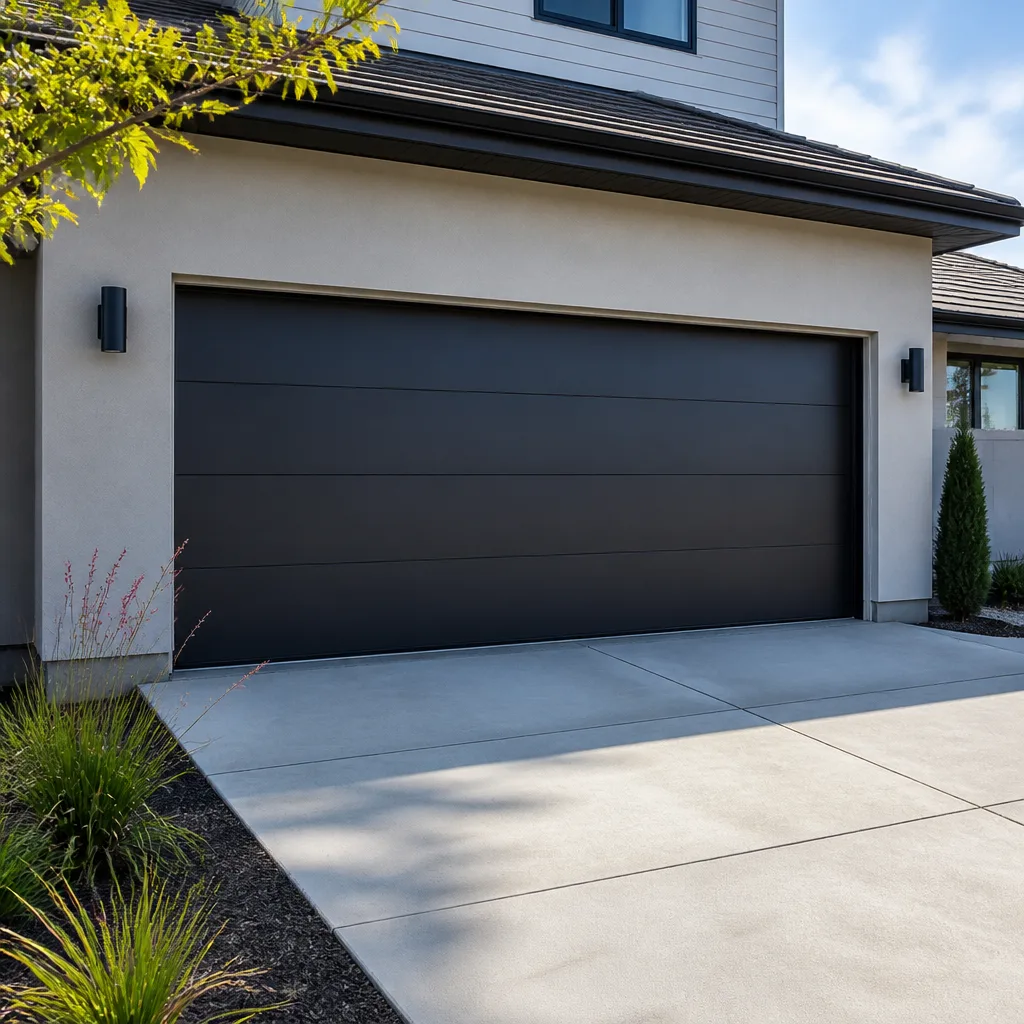 Modern flush
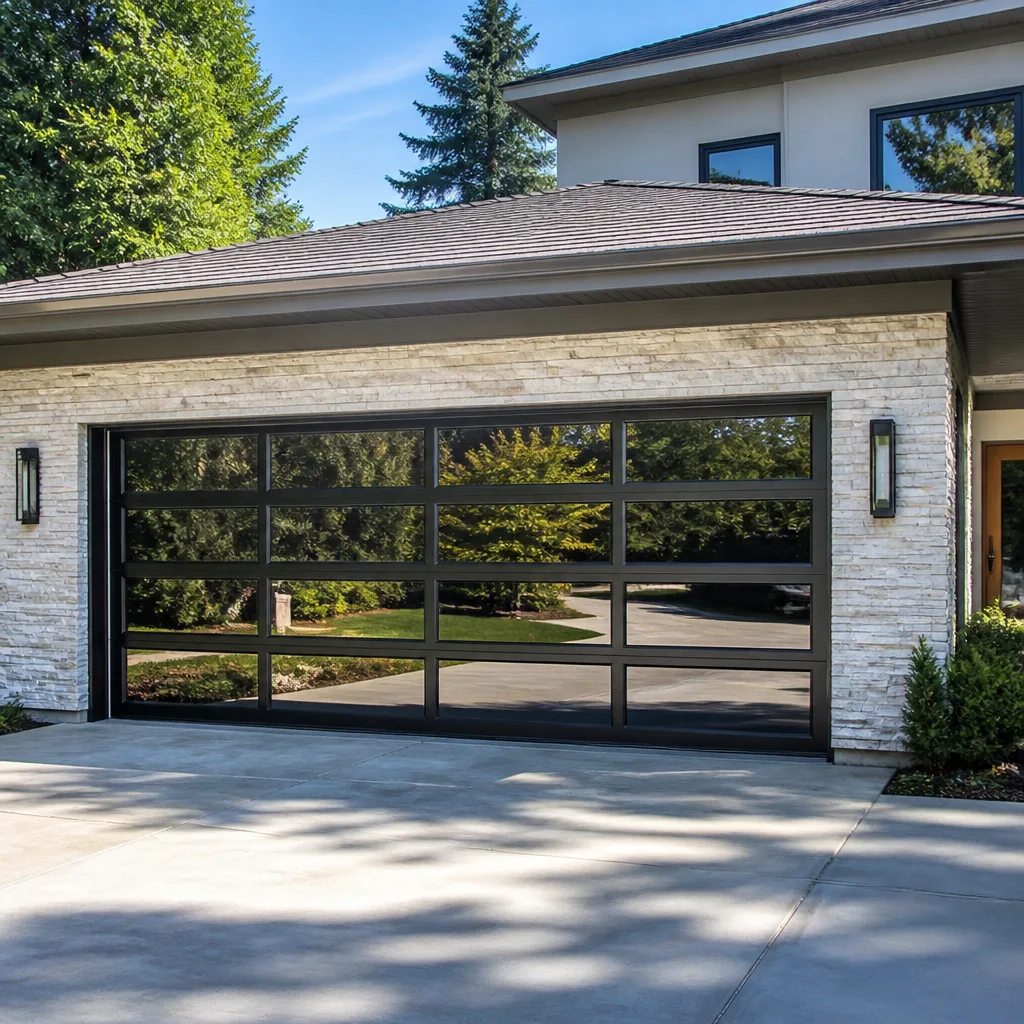 Full-view glass
 LiftMaster openers
 Chamberlain openers
Full 25-point door and opener safety check with every visit - springs, cables, rollers, tracks, and your LiftMaster or Chamberlain opener included
You get a price before we start. It does not change when the pro arrives.
Get your free estimateHow to Hire a Garage Door Contractor in Oxford Circle: A Step-by-Step Guide
Asking a contractor “are you licensed and insured?” is like asking a restaurant if it has a kitchen. Nearly everyone says yes, and it filters out almost nobody. The garage door hires that go wrong in Oxford Circle rarely fail because the homeowner skipped that question. They fail because nobody asked which brands the technician actually knows, whether the spring price covers one spring or a matched pair, or what happens to a “lifetime warranty” when the business that wrote it closes. This guide moves the conversation from credentials theater to technical vetting: the specific questions that reveal whether you’re talking to a garage door specialist or a generalist with a ladder.
Quick Answer
Hire a garage door contractor in Oxford Circle by vetting on specifics, not slogans. Ask three technical questions: which brands the technician is factory-familiar with, whether spring pricing is quoted per spring or per matched pair, and exactly what the written scope of work includes. Get the price agreed in writing before any work starts, confirm the quote covers the full job, and be wary of any same-day emergency quote that pressures you toward a full replacement before anyone has diagnosed the actual failure.
Styles & brands we work with
- Raised-panel steel
- Carriage house
- Modern flush
- Full-view glass
- LiftMaster openers
- Chamberlain openers
Table of Contents
- Why Generic Contractor Questions Fail on Garage Door Work
- The Three Technical Questions That Separate a Specialist from a Generalist
- Why “We Service All Brands” Means Nothing on Its Own
- What a Written Scope of Work Must Include
- How to Evaluate Same-Day Emergency Quotes Without Getting Pressured
- Philadelphia-Area Red Flags Specific to Garage Door Work
- Step-by-Step: The Interview Process from First Call to Final Check
- Where Safety Fits Into the Hiring Decision
Why Generic Contractor Questions Fail on Garage Door Work
Garage doors sit in an odd gap. They look like a general carpentry job from the outside, so homeowners vet them the way they’d vet a deck builder: license, insurance, a couple of references. Meanwhile the components that actually fail, the torsion springs, the cables under tension, the opener’s logic board, live in a narrow technical world. A contractor who is excellent at framing and drywall may never have touched a torsion spring in their working life. That’s not a knock on general contractors. It’s a gap in the questions.
The practical result in Oxford Circle is a mismatch between the question and the risk. Most garage door failures that trap a car or create a safety hazard involve the spring system or the opener. Those are the two areas where brand familiarity and specific experience matter most, and they’re the two areas a generic “are you licensed?” exchange never touches. You can pass a licensing check and still hire someone who has never worked on a Raynor door or a Chamberlain opener of the generation installed in your garage.
There’s a second reason generic questions fall short. Garage door pricing is genuinely varied, because the same job can be quoted in completely different ways. A “spring replacement” might mean one spring or a matched pair. It might include a safety inspection or skip it. It might include a torque check of the opener or leave the door’s balance to chance. If you don’t ask what’s included, you can’t compare quotes, and that’s how a low-ball number becomes a higher invoice once the technician is standing in your garage.
What this guide does instead is give you a short, specific interview script. You’ll learn the three technical questions that matter most, the specific line items that tend to disappear from cheap quotes, how to read an emergency quote without feeling rushed, and the local red flags that show up in Philadelphia-area garage door work. By the end, you’ll be able to tell within a five-minute phone call whether you’re talking to someone who works on garage doors all day or someone who fits them in between other jobs.
The Three Technical Questions That Separate a Specialist from a Generalist
These three questions do the heavy lifting. Each one has an answer that should reassure you and an answer that should give you pause. You can ask all three on the first call, before anyone comes out.
Question 1: “Which garage door and opener brands are your technicians trained on?”
An experienced specialist will name brands without hesitating, because brand familiarity is a working fact, not a marketing line. Our technicians are trained on eight major brands: LiftMaster, Chamberlain, Genie, Clopay, Amarr, Wayne Dalton, Craftsman, and Raynor. Those names matter because each brand has its own parts ecosystem, its own opener logic, and its own quirks. A LiftMaster opener and a Genie opener don’t fail or fix the same way.
Listen for the answer. “We work on everything” is not an answer. A generalist may genuinely believe they work on everything until the door in front of them turns out to be a Craftsman model whose parts channel they don’t know. If the person on the phone can name specific brands and, better, describe what tends to fail on each, you’re talking to someone who has done the work repeatedly.
Question 2: “Is your spring price for one spring or a matched pair?”
This is the single most useful pricing question in the trade. Garage doors use torsion or extension spring systems, and when one spring fails, the matched partner on the same door is usually at similar wear. Most technicians replace both together, because a second failure in a short window is exactly what a worn matched set produces. That means the price for a pair is roughly double the price for one spring.
A quote that says “spring replacement, one low number” without clarifying whether that’s one or a pair is not yet a quote you can compare. Ask directly. If the answer is evasive, or if the technician quotes a single-spring price and then, once in the garage, tells you the pair must be replaced, you’ve just experienced the most common bait-and-switch in this trade. A specialist will tell you up front that a pair runs about twice the single-spring price and explain why.
Question 3: “What’s in the written scope, and what’s not?”
Ask this on the phone, then read the actual written estimate line by line when it arrives. A specialist will hand you a scope that lists parts, labor, the spring type or opener model involved, and what the price does and doesn’t include. A generalist often hands over a one-line price and leaves the details to the invoice. The scope question also surfaces whether the technician plans to check door balance, hinges, rollers, and the opener’s force settings as part of the job, or whether those are add-ons later.
Why “We Service All Brands” Means Nothing on Its Own
Every garage door contractor in Oxford Circle and every contractor anywhere else can say “we service all brands.” The phrase is technically true for anyone with a ladder and a wrench, which is exactly why it tells you nothing. The useful version of that sentence is a question: which brands do you keep parts for, and which do you stock locally? That’s where the real difference lives.
Brand depth shows up in a few concrete ways when you’re hiring:
- Diagnosis speed. A technician who has worked on LiftMaster and Chamberlain openers knows their common failure modes, including the force settings and logic behavior that trip older units and the app pairing that newer myQ-compatible units use. Someone unfamiliar will spend the visit figuring it out.
- Parts knowledge. Knowing the difference between a Clopay, Amarr, or Wayne Dalton panel profile, and which opener models take which replacement parts, shapes whether the visit ends in a repair or a “we’ll have to order it and come back.”
- Opener ecosystem coverage. Modern openers split into two big smart-home families: the LiftMaster and Chamberlain myQ ecosystem and Genie’s Aladdin Connect. A specialist working with connected homes needs to understand both, not just the one they installed last week.
- Repair vs. replace judgment. Brand familiarity lets a technician tell you honestly whether your door or opener is a fixable unit or a model whose parts are no longer practical to source.
When you interview a contractor, replace “do you service all brands?” with “which brands are your technicians trained on, and which ones do you keep parts for locally?” The second question is the one that separates a specialist from a generalist. Our answer is eight brands, and we’re glad to talk through any of them. You should expect the same clarity from anyone you hire.
What a Written Scope of Work Must Include
A written scope of work is your protection against the invoice that grows after the truck arrives. For any garage door job beyond a quick adjustment, the estimate should be in writing, and it should include the specifics below. If a quote is missing several of these, treat it as a rough estimate, not a commitment.
- The exact part or model. For a spring job, which spring, and whether one or a matched pair. For an opener, the model and whether it’s a direct replacement or an upgrade. For a door, the brand and panel profile.
- Labor, stated separately or at least clearly included. A price that doesn’t clarify what labor covers is a price you can’t compare to another.
- What the technician will check as part of the job. Door balance, hinges, rollers, cables, and the opener’s force and safety reverse settings. These are not luxuries; they’re the checks that keep the door safe after a spring or opener repair.
- What’s excluded. A good scope tells you what’s not in the price, so you know what might come up. Saying “excluded” up front is a sign of an honest quote, not a weak one.
- Disposal and haul-away. Old springs, panels, and openers have to go somewhere. If removal isn’t listed, ask whether it’s included.
- The price, and confirmation that the written estimate sets the final price. Get this in writing. “The price we quote is the price we agree before work starts” should appear on the estimate in some form.
- Whether a permit is needed. Most cities require a permit for certain structural or electrical work, so ask your city’s building department if the scope touches those areas. The contractor should be able to tell you what they’ve seen for similar jobs, and the department has the final word.
The line items that most often vanish from low-ball quotes are the matched-pair spring clarity, the balance and safety checks, and the disposal. A cheap quote that omits those isn’t cheaper once the technician finds them necessary mid-job. If you’re comparing estimates, put them side by side and match line to line. If you’d like to see how we structure a written estimate for local jobs, our Garage Door Repair Oxford Circle page lays out what a visit typically covers.
How to Evaluate Same-Day Emergency Quotes Without Getting Pressured
A spring that snaps at the wrong moment, or an opener that won’t respond when the car is inside, creates the conditions for a rushed decision. That’s the exact moment when a homeowner is most likely to accept a full-replacement pitch they didn’t ask for. Emergency service is genuinely valuable in Oxford Circle, and it should include a real diagnosis, not a sales script.
Use this sequence to keep the decision in your hands:
- Ask what failed, in specific terms. A technician should be able to tell you, after a look, whether it’s a spring, a cable, an opener motor, a safety sensor, or a track issue. If the only diagnosis you get is “the whole thing needs replacing,” ask why and ask which component failed.
- Get the repair price and the replacement price, separately, on paper. You’re entitled to both. A specialist will give you a repair quote and, if replacement is genuinely the better long-term call, a replacement quote, and let you choose.
- Confirm the price is agreed before any work starts. This is the single best protection in an emergency call. If the technician starts work before you’ve seen and agreed to a written number, stop and ask for it.
- Be wary of pressure language. “We can only do this price today,” “the part’s going up tomorrow,” or “the whole thing is unsafe, we need to replace it now” are signals to slow down, not speed up. It’s fine to ask for the written number and take five minutes to read it.
- Ask whether the same technician diagnoses and repairs, or whether a subcontractor is coming. In an emergency, you want a clear answer about who’s actually doing the work.
Emergency garage door service exists to get your car out and your door safe, not to convert a spring failure into a door sale. When you call for urgent help, you should feel that the technician’s goal is the diagnosis, and the repair and replacement options should be laid out side by side. If you’re in the middle of this right now, our team can talk it through on the phone before anyone is dispatched, and our garage door repair page covers what an urgent visit typically involves.
Philadelphia-Area Red Flags Specific to Garage Door Work
Some red flags are universal: no written estimate, evasive answers, pressure to decide on the spot. Others show up specifically in the Philadelphia-area garage door market, and knowing them in advance can save you a bad hire. Watch for these.
- Unlicensed subcontracting. You book with one company and a different, unfamiliar technician arrives. The person doing the work should be able to confirm they’re with the company you called and that the local pro is licensed and insured as their state requires.
- Bait-and-switch spring pricing. The phone quote is a low single-spring number. The in-person quote, after the technician arrives, is for a matched pair at roughly double. A legitimate quote tells you up front that a pair costs about twice a single spring.
- “Lifetime” spring warranties that don’t survive a business closure. Ask what the warranty covers, who honors it in writing, and what happens if the company that issued it is no longer around. A warranty is only as durable as the business behind it.
- Replacement-first diagnoses. If the diagnosis jumps to a full door or opener replacement before the technician has checked the cheaper failure points, ask them to walk you through why a repair won’t work.
- No written scope. A verbal price is not a quote. In the Philadelphia area as anywhere, the written scope is what protects you, especially when the job involves a spring pair or an opener replacement.
- Pressure to skip safety checks. If the technician wants to skip the balance and safety-reverse checks to save time, that’s a red flag. Those checks are part of doing the job right.
One more local note: garage door work in Oxford Circle spans a wide range of home ages and door styles, and the door in your garage may have been installed decades before you moved in. A specialist will ask about the door’s history and inspect before quoting. A generalist will quote from the phone and discover the details on arrival, which is where surprises start.
Step-by-Step: The Interview Process from First Call to Final Check
Here’s the whole hiring process, in order, with the technical vetting built into each step. You can run this in a single afternoon if you’re organized, or spread it over a few days if your door is still functioning.
- Define the problem in plain words. Write down what you observe: what the door does, what it sounds like, whether the opener responds, and whether the door is safe to operate. This single step makes every later conversation more productive.
- Make two or three calls, not one. Ask each contractor the three technical questions from earlier. Note whether they name specific brands, clarify single-spring versus pair pricing, and describe what the written scope will include. You’ll hear the difference between a specialist and a generalist immediately.
- Ask for the written estimate before you schedule. A free estimate doesn’t mean a verbal one. Ask for the written number and read it line by line against the scope checklist above.
- Confirm who’s coming and what they’ll bring. Ask whether the technician is with the company you called, which brands they’re trained on, and whether parts for your brand are likely to be on hand or need ordering. For an opener job, this is the moment to mention whether yours is a smart-home unit in the LiftMaster and Chamberlain myQ family or a Genie Aladdin Connect system.
- Agree the price in writing before work starts. This is the most important step. Confirm the number, confirm the scope, and confirm that the written estimate sets the final price. If anything changes once the door is open, the technician should come to you before doing additional work.
- Ask for a walkthrough after the work. The technician should show you what was replaced, confirm the door is balanced, and confirm the safety-reverse setting works. If it’s an opener repair, they should show you the opener responding and, where applicable, the app pairing working.
- Get the warranty and receipt in writing. Ask what’s covered, for how long, and who honors it. Keep the written estimate and the final invoice together.
If your job is an opener rather than a spring, the vetting shifts slightly: ask which openers the technician has worked on and whether they understand the smart-home pairing for your model. Our garage door opener repair page covers the brand-by-brand detail. If you’re planning a new door rather than a repair, the interview happens earlier and the brand familiarity question matters even more, since the door and opener will be a matched set. Our garage door installation page walks through how that scheduling and measurement process usually runs.
Where Safety Fits Into the Hiring Decision
Garage doors are one of the few home systems where a bad repair or a wrong DIY attempt can genuinely hurt someone. Torsion springs and the cables they drive store a large amount of force even when the door is closed and looks harmless. If a spring or cable is loose, broken, or being handled without the right tools and technique, the safest thing a homeowner can do is stop and call a trained professional. We say that plainly because it’s true, not to sell anything.
What that means for hiring: safety competence belongs in the interview. Ask whether the technician checks door balance and the opener’s safety-reverse setting as part of a spring or opener repair. Ask whether the door’s cables and hinges are inspected during the visit. Ask what they do if they find a second issue mid-job. The answers tell you whether the person doing the work treats the door as a system that has to be safe when they leave, or as a component swap. A specialist will treat the safety checks as part of the job, and our technicians have up to 13 years of experience doing exactly that. If you want to understand why spring work is handled as its own specialty, that’s covered in more depth on our repair pages.
Common Mistakes to Avoid
- Treating “licensed and insured?” as the whole interview. It’s a necessary question, but it filters almost nobody out. Add the three technical questions and you’ll actually learn whether you’re talking to a garage door specialist.
- Comparing quotes without checking single vs. pair spring pricing. A single-spring number and a matched-pair number look similar on paper and are very different jobs. Confirm which one you’re comparing.
- Accepting a verbal price for an emergency job. The more urgent the situation, the more important the written number is. Get it agreed before work starts, even at midnight.
- Taking a “lifetime warranty” at face value. Ask who honors it in writing and what happens if that business closes. A warranty is only worth the paper and the business behind it.
- Skipping the brand question for openers. An opener from the myQ family and a Genie Aladdin Connect system need different parts and different know-how. Mention your model on the first call.
- Letting a technician skip the safety checks. Balance, safety-reverse, and cable inspection are part of a proper repair, not optional extras. If they want to skip them, ask why.
- Choosing on price alone. The lowest quote that omits the pair of springs, the safety checks, or the disposal isn’t the lowest quote once the invoice arrives.
See the difference
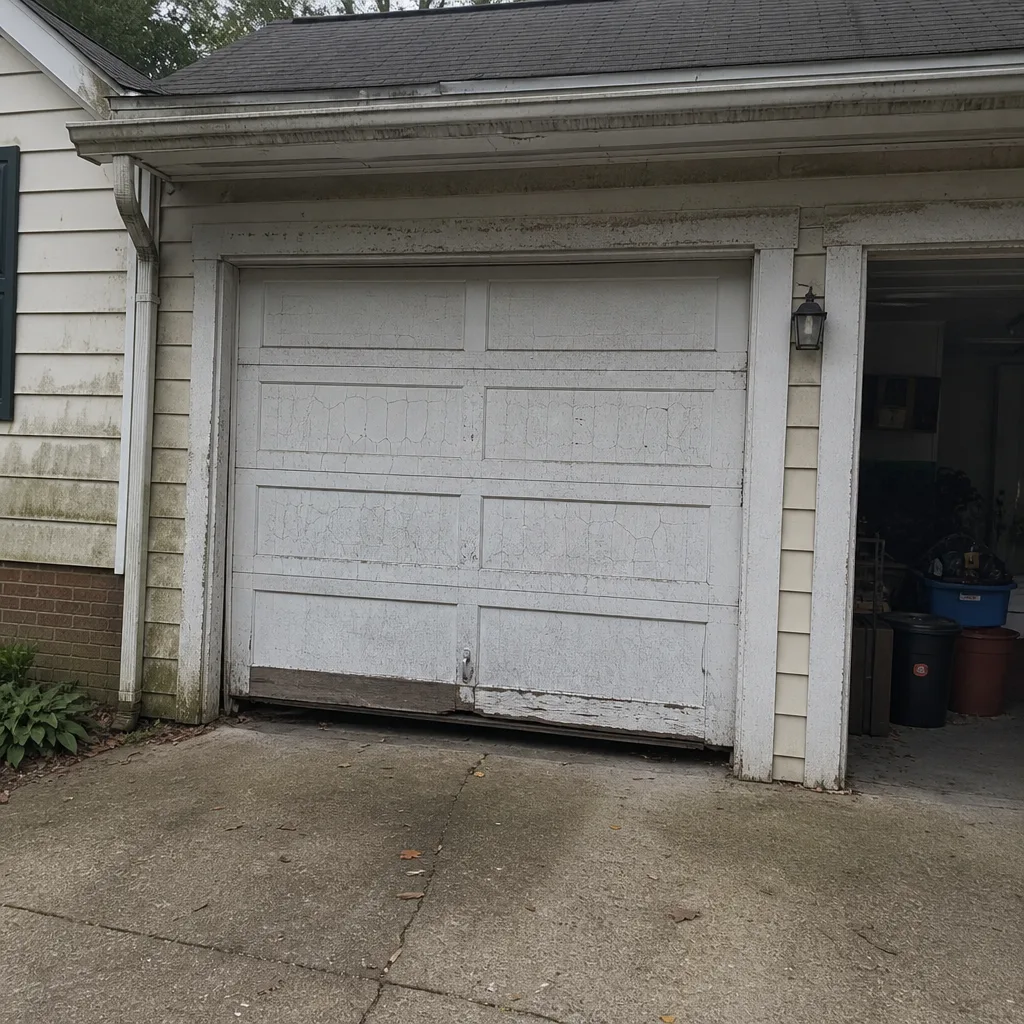 Before
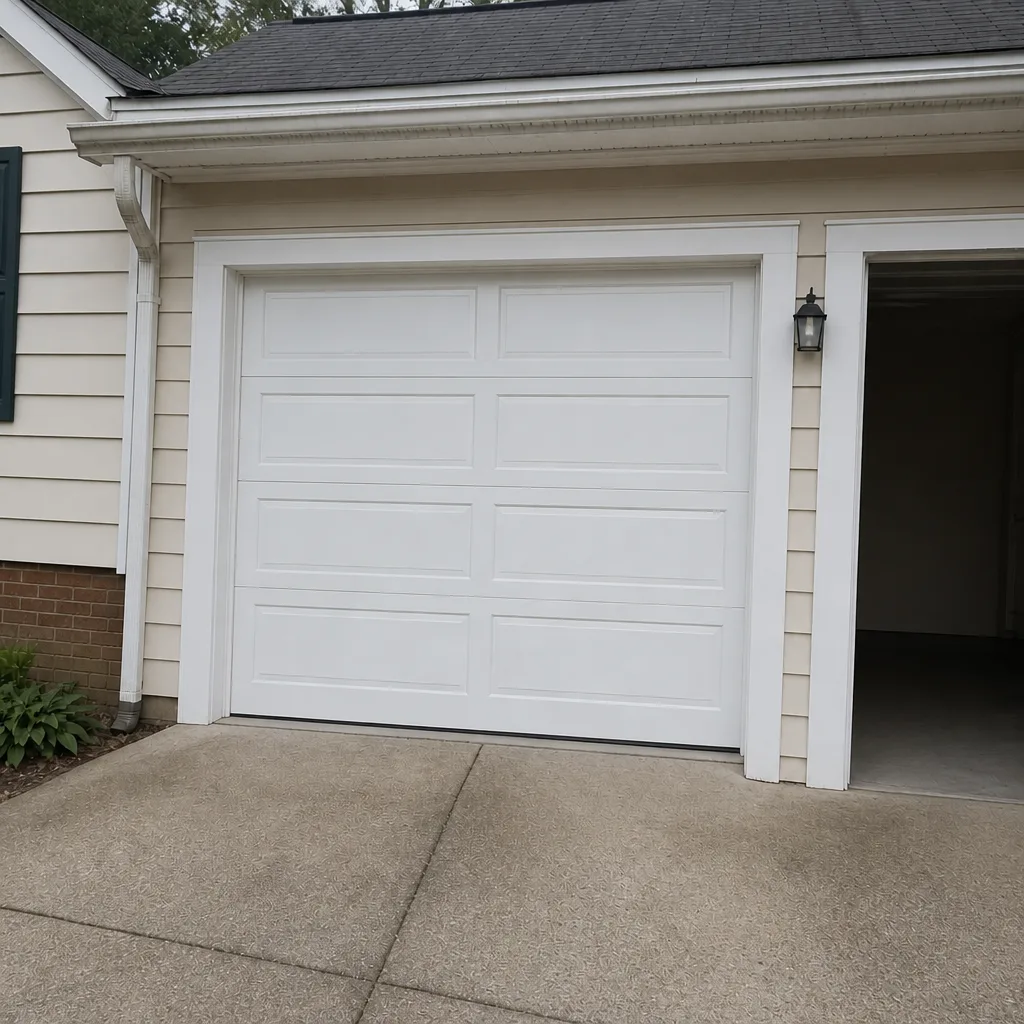 After
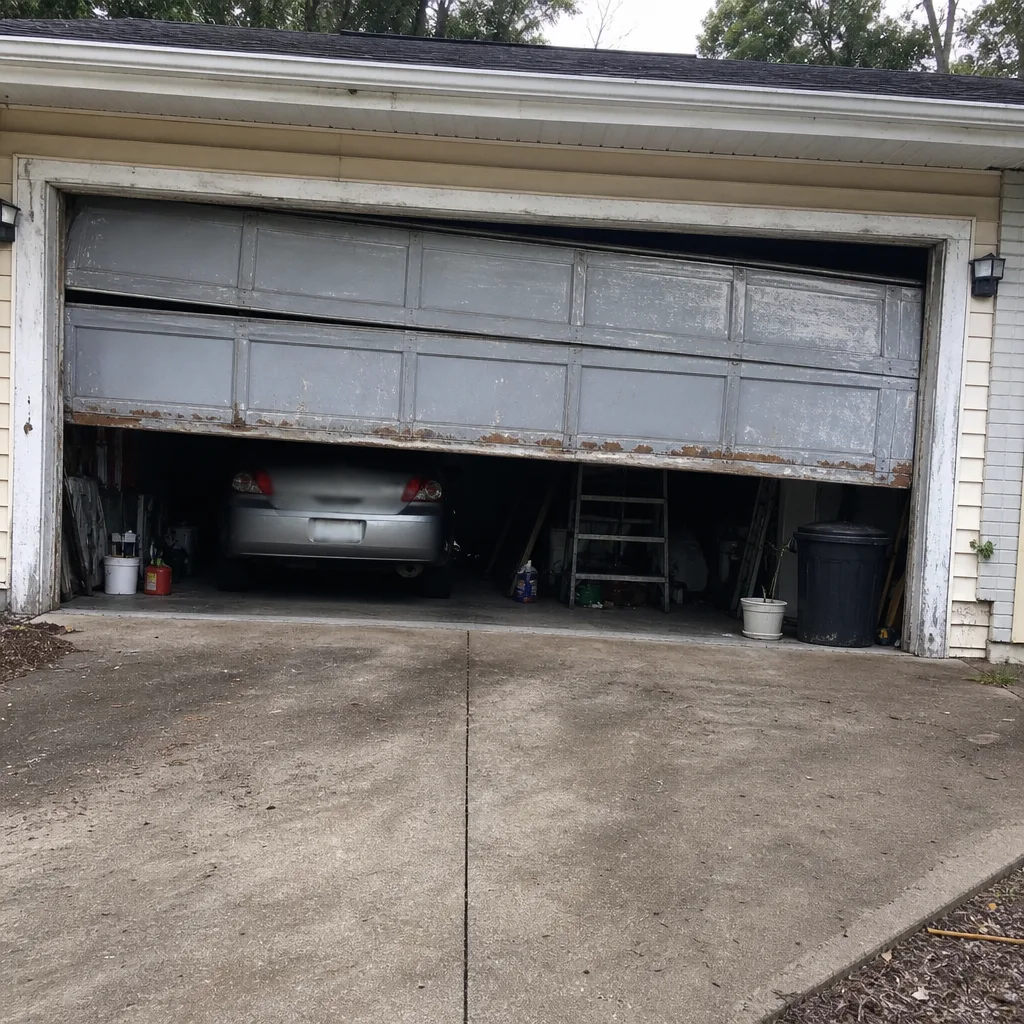 Before
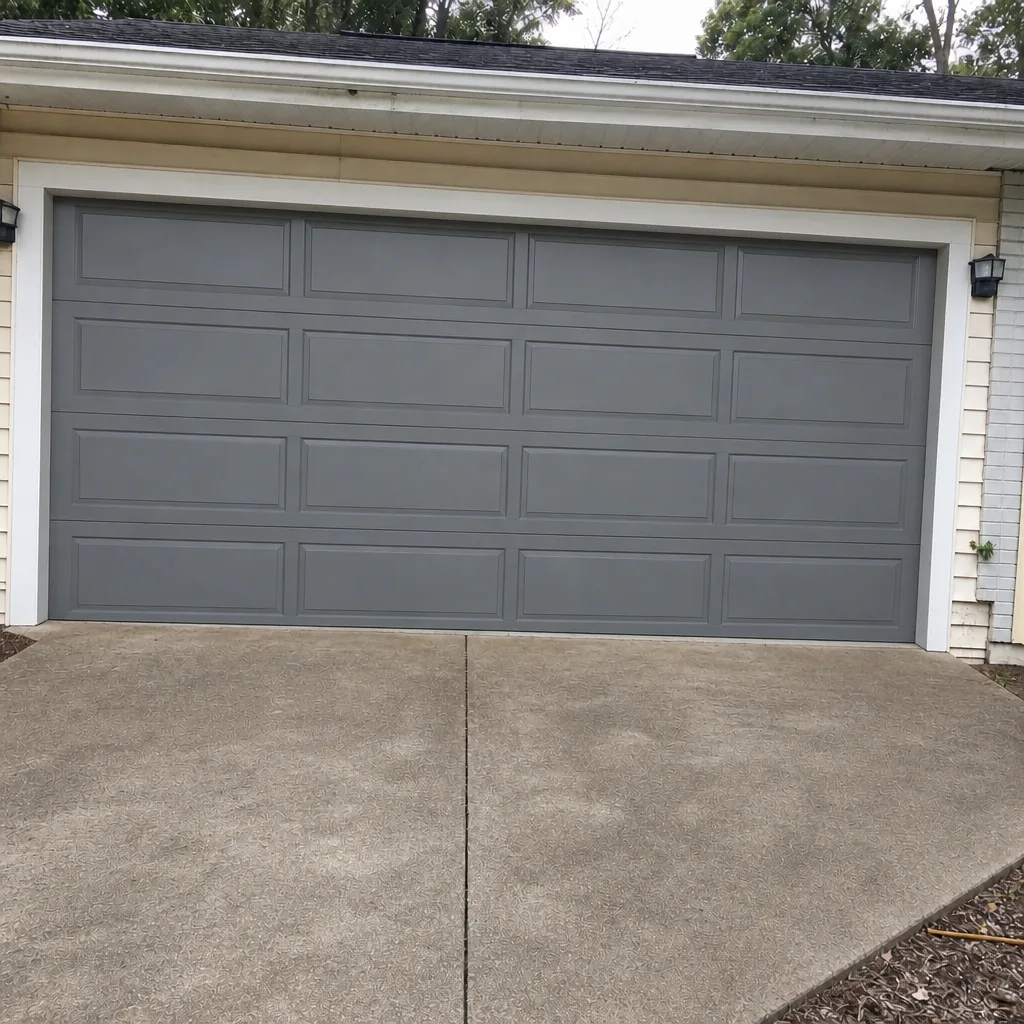 After
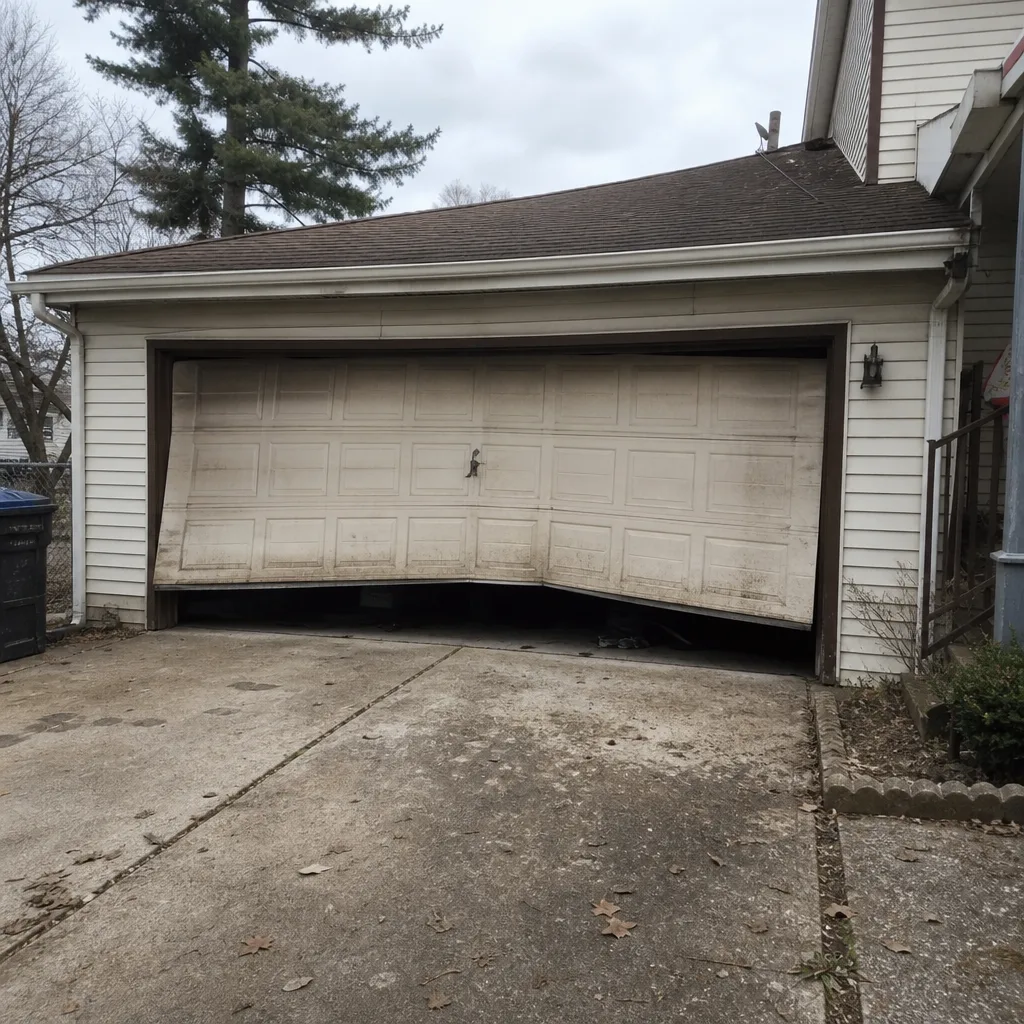 Before
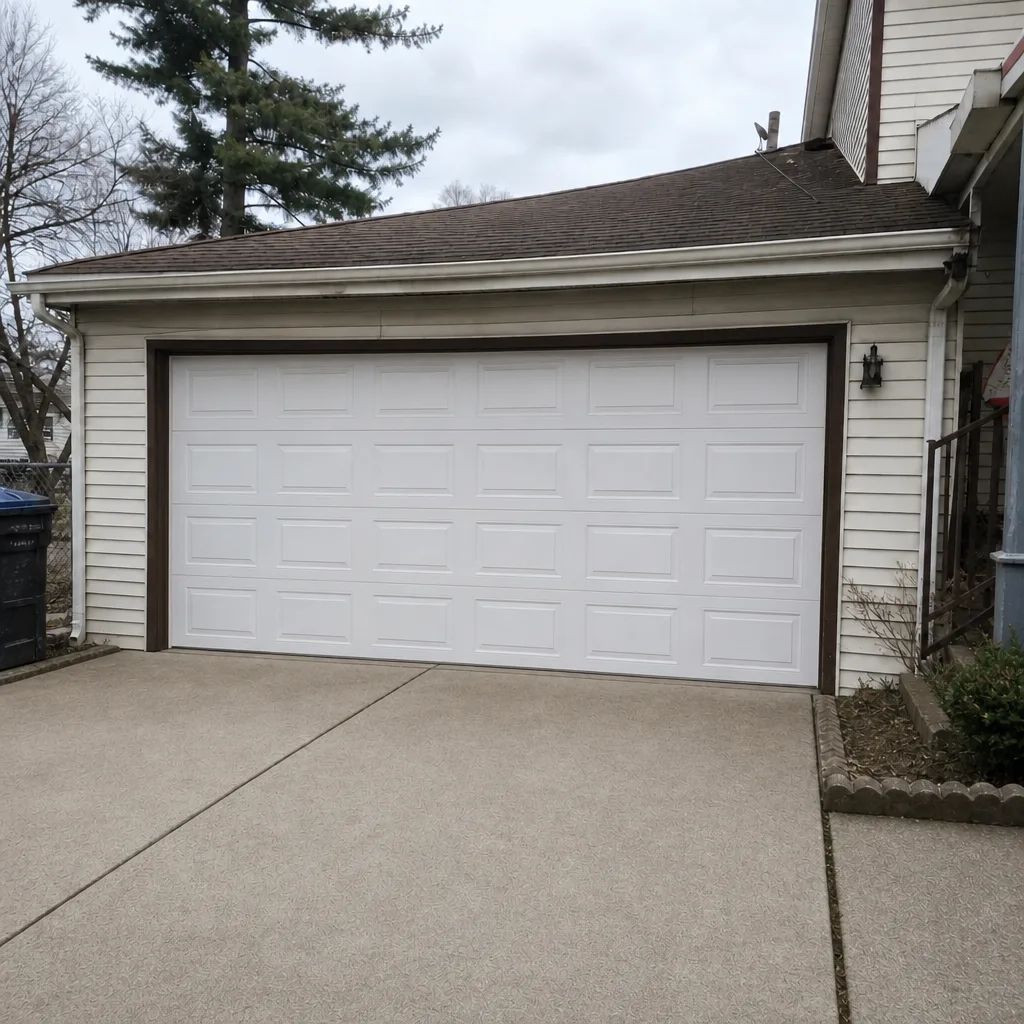 After
When to Call a Professional
Some garage door problems are genuinely urgent, and waiting costs more than calling. Call a professional if a spring or cable has snapped, if the door is stuck open or closed and the car is trapped, if the door comes down faster than it should, if the opener cycles but the door doesn’t move, or if you hear a loud bang from the garage and the door won’t lift. Also call if the door is visibly off its tracks, if a panel is bent enough that the door doesn’t seal, or if the opener’s safety sensors won’t stay aligned. These aren’t situations where a general handyman with a ladder is the right call, and some of them, especially anything involving a spring or a cable, carry real injury risk if handled without the right training. Garage Door Repair Oxford Circle offers free estimates in Oxford Circle. Call (855) 658-4215 and we’ll help you sort out whether you’re looking at a repair or a replacement, and what each would involve.
Frequently Asked Questions
Ask the three technical questions: which brands they’re trained on, whether their spring price covers one spring or a matched pair, and what their written scope includes. A specialist names specific brands (like LiftMaster, Chamberlain, Genie, Clopay, Amarr, Wayne Dalton, Craftsman, or Raynor), clarifies pair pricing without being asked, and hands over a written scope. Call (855) 658-4215 if you’d like to hear how we answer those questions before you book.
A written estimate should name the exact part or model, state labor clearly, list what safety checks are included, say what’s excluded, cover disposal, and confirm that the written price is the agreed price before work starts. If it’s a spring job, it should say whether the quote is for one spring or a matched pair. If any of those are missing, ask for them in writing. Call (855) 658-4215 for a free written estimate.
Because a pair costs about twice the price of a single spring, and most technicians replace the matched set together. When one spring fails, its partner is usually at similar wear, so replacing both avoids a second failure in a short window. A quote that doesn’t say which it is isn’t yet a quote you can compare. Call (855) 658-4215 and we’ll quote single-spring and pair pricing clearly, before any work starts.
Yes, emergency garage door service is available for situations that can’t wait for a next-week appointment. Call (855) 658-4215 and we’ll talk through what failed and arrange service. Even on an emergency call, the price is quoted and agreed before any work starts, and you’ll get the repair option and the replacement option, not just one.
Ask what it covers, who honors it in writing, and what happens if the business closes. A warranty is only as durable as the business behind it. Get the warranty terms in writing alongside the estimate, and don’t treat a verbal “lifetime” claim as protection until you’ve seen the terms. If you want to talk through what a warranty should cover on a spring job, call (855) 658-4215.
It depends on the scope. Most cities require a permit for certain structural or electrical work, so ask your city’s building department directly for your specific job. A knowledgeable contractor should be able to tell you what they’ve seen for similar work in the area. Call (855) 658-4215 if you want to talk through whether your job is likely to need one.
The Bottom Line
Hiring a garage door contractor in Oxford Circle is a technical interview, not a credential check. The questions that filter out a bad hire are the specific ones: which brands the technician actually knows, whether a spring price is for one spring or a matched pair, and what the written scope includes. Insist on a written price agreed before work starts, especially on an emergency call, and treat “we service all brands” as an invitation to ask which brands they’re trained on. Get those answers and you’ll hire someone who can do the job, not someone who says they can. Garage Door Repair Oxford Circle brings full-spectrum capability to repair, opener service, spring work, and installation, and our technicians are trained on eight major brands. For a free estimate, call (855) 658-4215.
Written by the team at Garage Door Repair Oxford Circle.