Last updated November 21, 2026
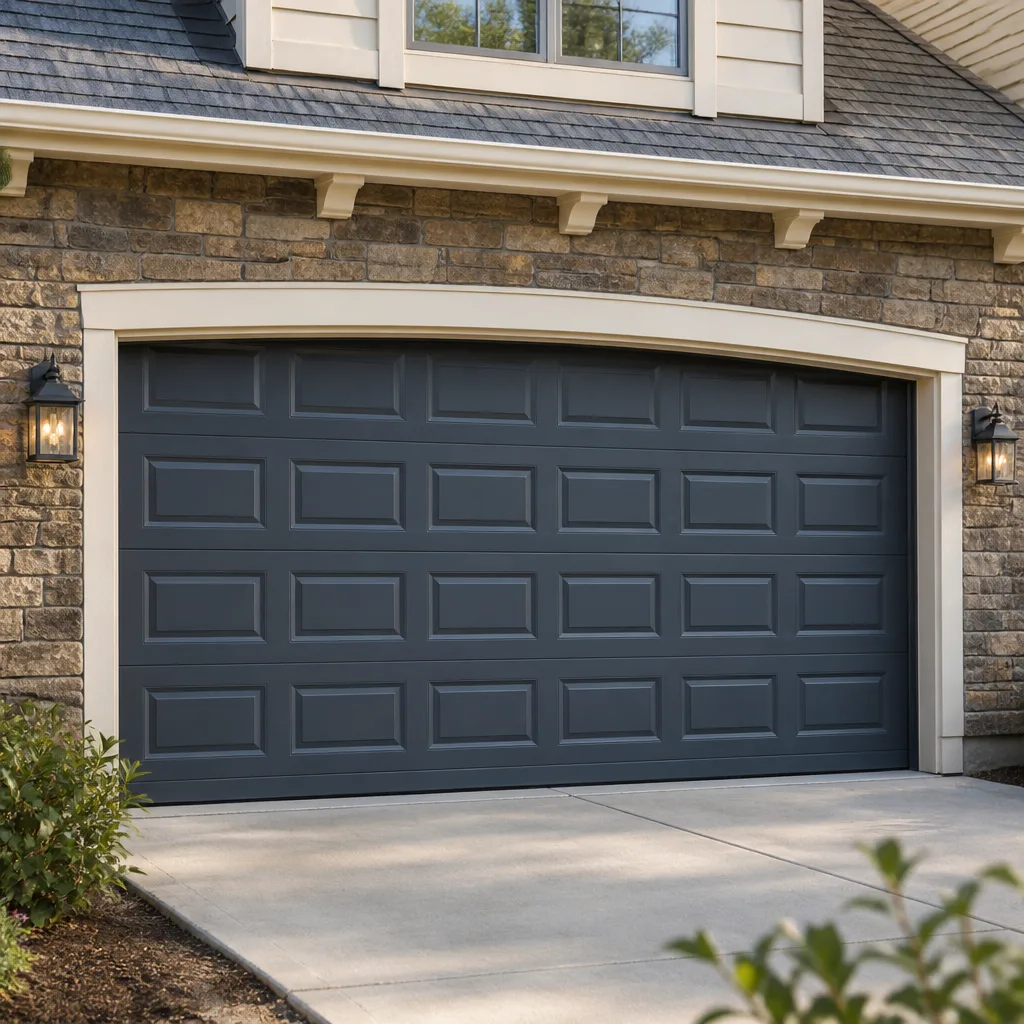 Raised-panel steel
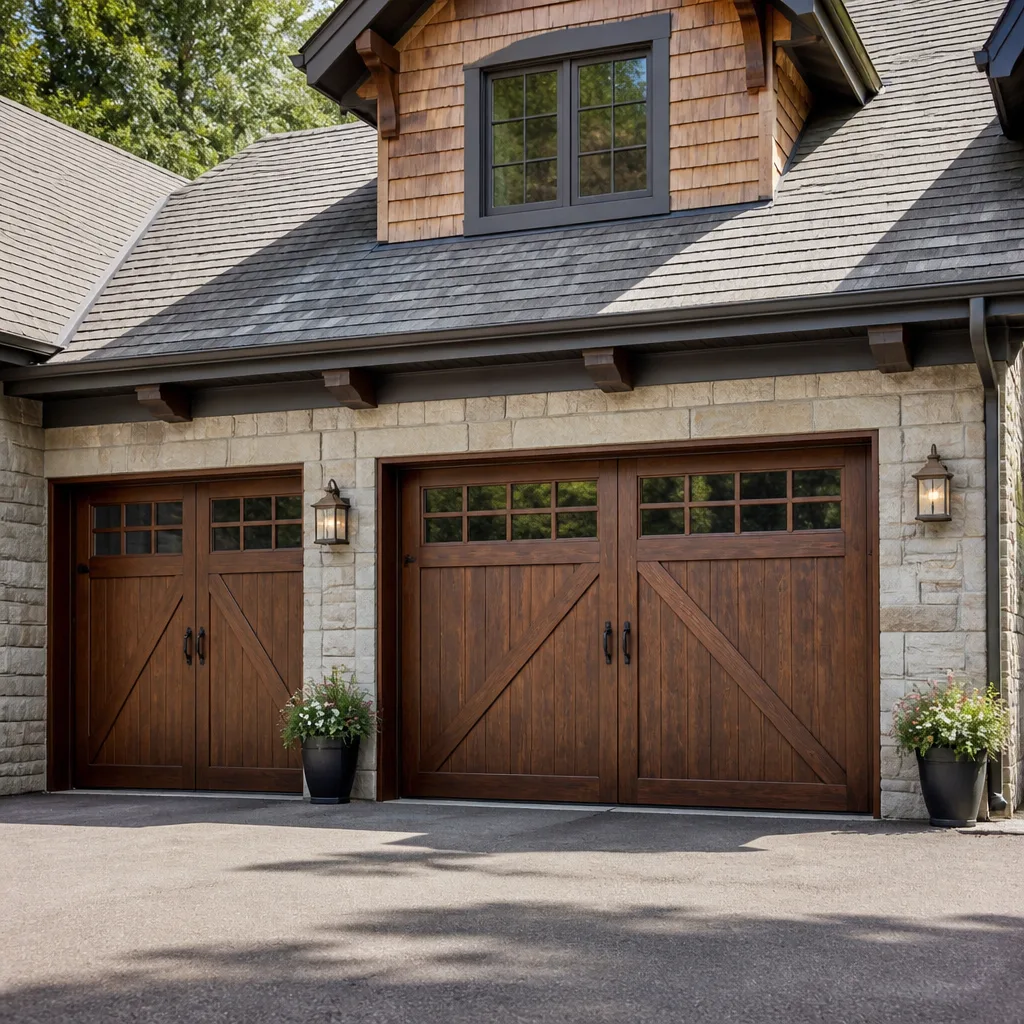 Carriage house
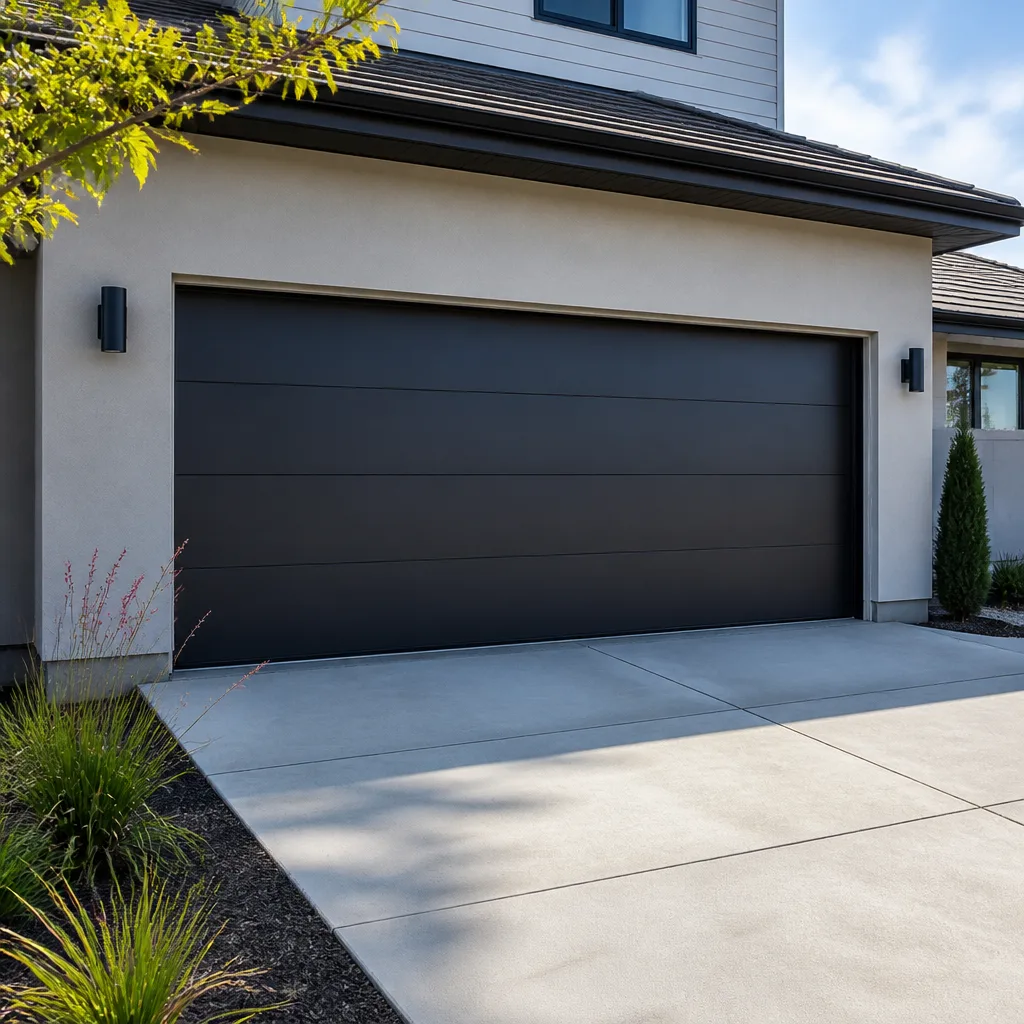 Modern flush
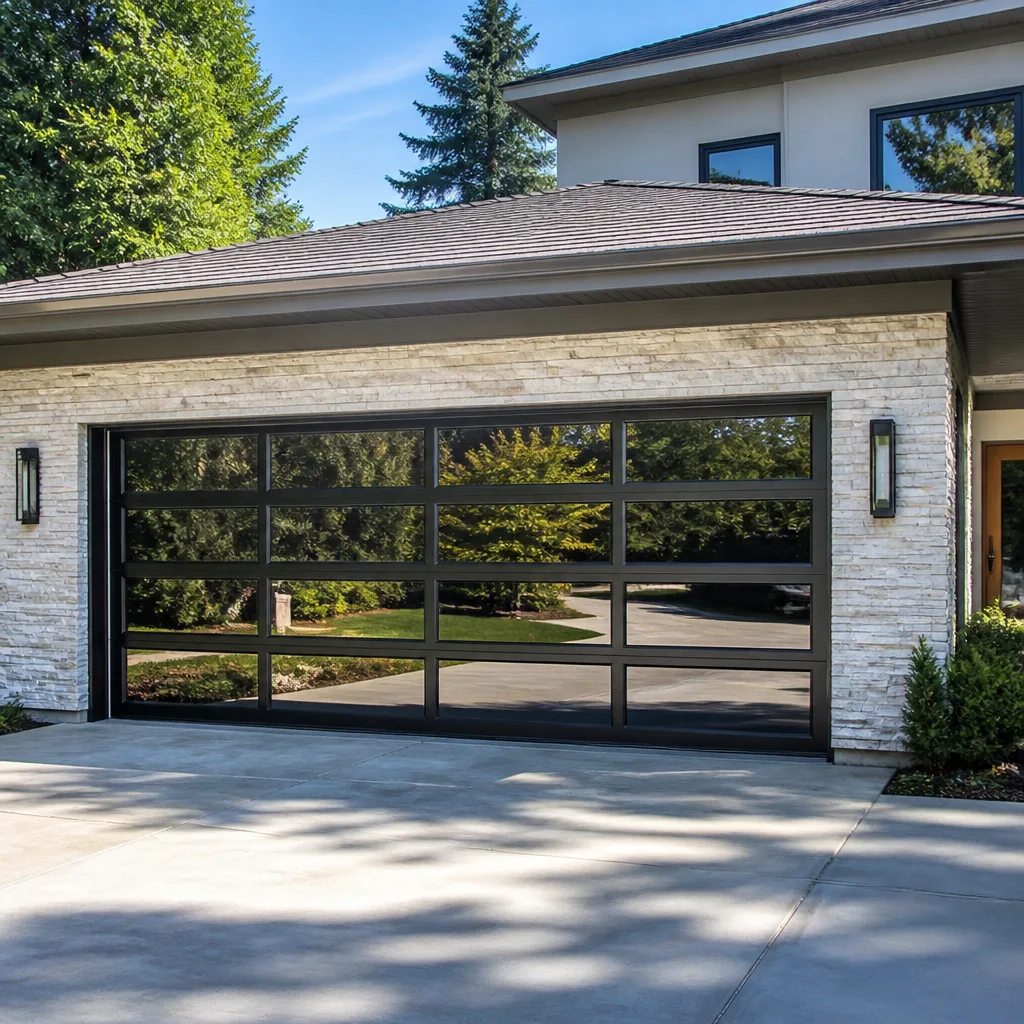 Full-view glass
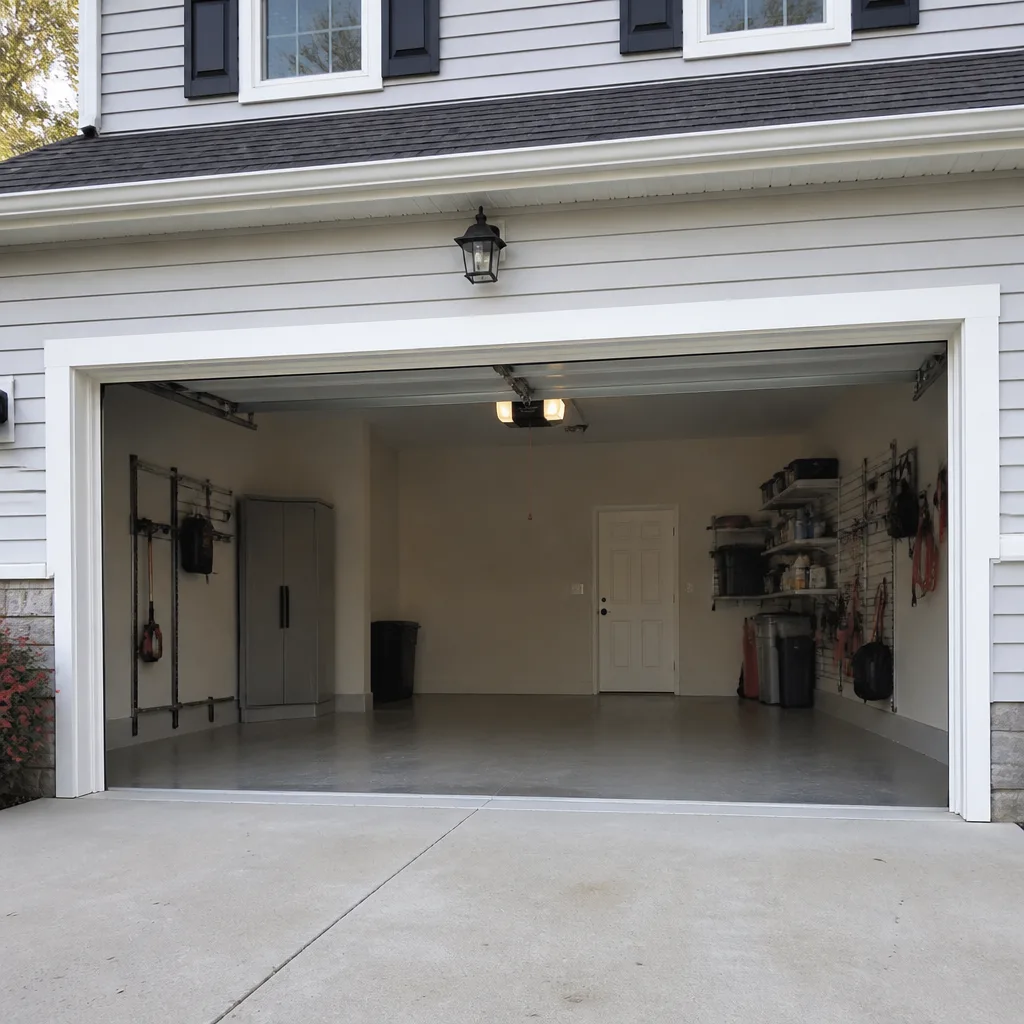 LiftMaster openers
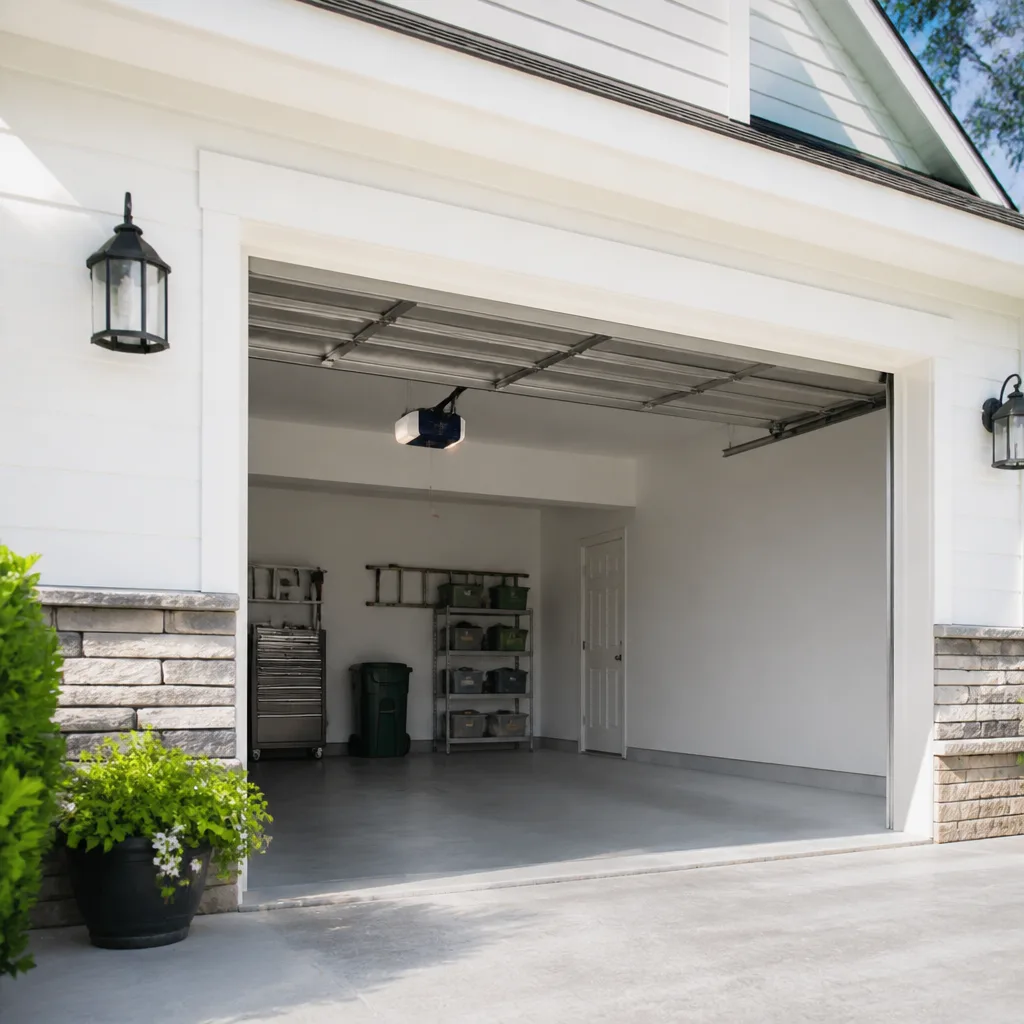 Chamberlain openers
Full 25-point door and opener safety check with every visit - springs, cables, rollers, tracks, and your LiftMaster or Chamberlain opener included
You get a price before we start. It does not change when the pro arrives.
Get your free estimateChoosing the Right Garage Door Brand: A Buyer’s Guide for Oxford Circle
The best-reviewed garage door brand on a national website might be the hardest one to get parts for in Northeast Philadelphia. That matters more than a star rating when it’s January, the temperature has dropped into the twenties, and your door won’t close. Brand choice isn’t about which name wins a popularity contest online. In Oxford Circle, it comes down to three practical filters: whether a local specialist can get parts without a factory-order wait, how well the door and its springs handle humid summers that swing into hard freezes, and whether the opener electronics match what’s actually in your garage. This guide walks through all three, compares the major residential brands on the factors that count here, and shows you how to read a warranty before you sign.
Styles & brands we work with
- Raised-panel steel
- Carriage house
- Modern flush
- Full-view glass
- LiftMaster openers
- Chamberlain openers
Quick Answer
For most Oxford Circle homeowners, the right garage door brand is the one a local specialist can service with parts on hand and springs sized to your actual door weight. LiftMaster and Chamberlain lead for openers, Clopay and Amarr lead for insulated steel doors in attached garages, and Wayne Dalton is a strong fit when headroom is tight. The brand on the label matters less than whether the door, spring system, and opener are matched to each other and to your garage’s dimensions.
Table of Contents
- Why Parts Availability Decides Your Repair Timeline in Philadelphia
- Side-by-Side: The Major Residential Brands on What Matters Here
- How Oxford Circle’s Temperature Swings Affect Door and Spring Choice
- Insulation and R-Value: Attached Garage vs. Detached Alley Garage
- Matching Door Weight to the Spring System Your Headroom Allows
- What “Warranty” Actually Means When a Part Fails Three Years In
- Opener Brands and Smart-Home Compatibility
- A Step-by-Step Way to Choose Your Brand
Why Parts Availability Decides Your Repair Timeline in Philadelphia
A garage door is a mechanical system with consumable parts: springs, rollers, hinges, cables, and opener gears. When one fails, the question isn’t whether a replacement exists somewhere in the country. It’s whether a technician can put hands on it this week without a special order. Parts distribution for the major brands runs through regional supply houses that serve the Philadelphia metro, and not every brand’s catalog sits on those shelves in equal depth.
In our experience, the brands with the widest local distribution are the ones installed in the highest volume across Northeast Philadelphia: LiftMaster and Chamberlain openers, Clopay and Amarr steel doors, and Wayne Dalton for both. Craftsman openers, many of them legacy units from the Sears era, are still common in Oxford Circle garages, and their parts are generally available through aftermarket channels rather than factory-direct. Raynor doors and openers show up too, though replacement components can take longer to source than the volume brands.
Here’s what that means in practice:
- Volume brands (LiftMaster, Chamberlain, Clopay, Amarr) usually mean a repair can be scheduled quickly because the parts are in regional supply.
- Legacy brands (older Craftsman openers) often need aftermarket equivalents, which a brand-familiar technician can identify without guesswork.
- Lower-volume brands (Raynor in some product lines) may need a factory order, adding days to a repair that should take hours.
A brand with a beautiful door and a thin parts network becomes a liability the first time a torsion spring snaps. Before you buy, ask a local technician which brands they can service without ordering out. That single question tells you more than any showroom display. If you’re already facing a breakdown, our Garage Door Repair Oxford Circle page covers how we triage urgent calls.
Side-by-Side: The Major Residential Brands on What Matters Here
No single brand wins every category. The table below compares the brands we work with on the factors that actually shape a homeowner’s experience in Oxford Circle: local parts depth, climate suitability, opener ecosystem, and serviceability.
- LiftMaster (openers, and doors through the parent company): Deep local parts availability, the myQ smart platform, and strong serviceability. A default choice for connected homes and for anyone who wants fast repairs.
- Chamberlain (openers): Shares the myQ ecosystem and much of the same engineering as LiftMaster, with broad retail availability. Parts are easy to source locally.
- Clopay (doors): Wide range of insulated steel doors with genuine performance options in the higher series. Strong local distribution and easy panel replacement.
- Amarr (doors): Solid insulated steel construction and good value across its lineup. Common in Northeast Philadelphia and well supported for service.
- Wayne Dalton (doors and openers): A practical fit when headroom or side clearance is tight. Serviceable locally, though some specialty components may need ordering.
- Craftsman (openers): Extremely common in older Oxford Circle garages; aftermarket parts are available and a brand-familiar technician can service most units.
The honest takeaway: for openers, the LiftMaster and Chamberlain ecosystem is the safest bet for parts and smart-home compatibility. For doors, Clopay and Amarr cover most attached-garage needs, and Wayne Dalton earns its place when space is constrained. Craftsman openers deserve a mention because so many are still running here and can often be repaired rather than replaced.
Our technicians have up to 13 years of experience across these brands, which means we’re not learning your system on your time. For opener-specific issues, see garage door opener repair.
How Oxford Circle’s Temperature Swings Affect Door and Spring Choice
Philadelphia’s climate is the quiet variable in brand selection. Summers run humid, winters bring hard freezes, and Oxford Circle garages feel every degree of that swing. A door that performs fine in a mild climate can struggle here for two reasons: metal expansion and contraction, and spring fatigue.
Torsion and extension springs are under constant tension and cycle every time the door opens or closes. Temperature swings accelerate metal fatigue. A spring sized for a lighter door and a milder climate may fail sooner under the load and stress of a door that’s constantly expanding and contracting. That’s why the spring system has to be matched to the door’s actual weight, not to a generic spec sheet. This is also why spring work is the most dangerous job in the trade and why it belongs with a specialist, not a generalist.
On the door itself, the practical priorities are:
- Panel construction that resists warping: humid summers stress cheap, thin panels; rigid steel with proper reinforcement holds its shape.
- Weather seals that stay pliable through freeze-thaw: a brittle bottom seal lets cold air and moisture in and can tear.
- Hardware that tolerates contraction: hinges and rollers that bind in the cold wear faster.
Clopay and Amarr both offer insulated steel doors built for this kind of climate, and Wayne Dalton’s steel lines handle the swings well too. The brand matters, but the model within the brand matters just as much. A base-model door from a strong brand can underperform a mid-range model from the same maker. If your door is already failing, our garage door repair service covers springs, cables, and panel issues.
One caution: torsion springs and cables are dangerous to work on, and a mistake can cause serious injury. We handle spring repair as a core specialty, and we recommend keeping that work with a trained professional.
Insulation and R-Value: Attached Garage vs. Detached Alley Garage
Insulation value is one of the most oversold specs in garage doors, and it means different things depending on your garage. In Oxford Circle, you’ll find both attached garages that share a wall with the house and detached garages off the alley. The right insulation choice differs for each.
For an attached garage, the door is part of your home’s thermal envelope in effect. An insulated door slows heat loss through the shared wall and helps keep the space above or beside the garage more comfortable. Icynene or foam-filled panels in a Clopay or Amarr insulated model make a real difference here. The R-value number matters, but construction quality matters more: a multi-layer door with a thermal break outperforms a single-layer door with an inflated rating.
For a detached alley garage, the calculus shifts. A detached garage isn’t heating your house, so the R-value is mostly about protecting the space inside from temperature swings and keeping stored items from freezing. A well-built steel door with basic insulation is often the sensible choice, and spending up for the highest R-value available rarely pays back.
What to watch for in marketing specs:
- R-values calculated for the center of the panel, not the whole door including edges and seams.
- Single-layer doors marketed with insulation language when there’s no actual insulation layer.
- Foam-filled vs. polystyrene construction: foam generally performs better and holds up longer.
The best move is to match insulation to your garage type and skip the upsell you don’t need. A garage door installation conversation should include a straight answer about which insulated model fits your situation, not a pitch for the top of the line.
Matching Door Weight to the Spring System Your Headroom Allows
Here’s a point most buyers never hear until it’s too late: the door you choose determines the spring system you need, and the spring system has to fit in your garage’s headroom clearance. Choose a heavy door with a low clear
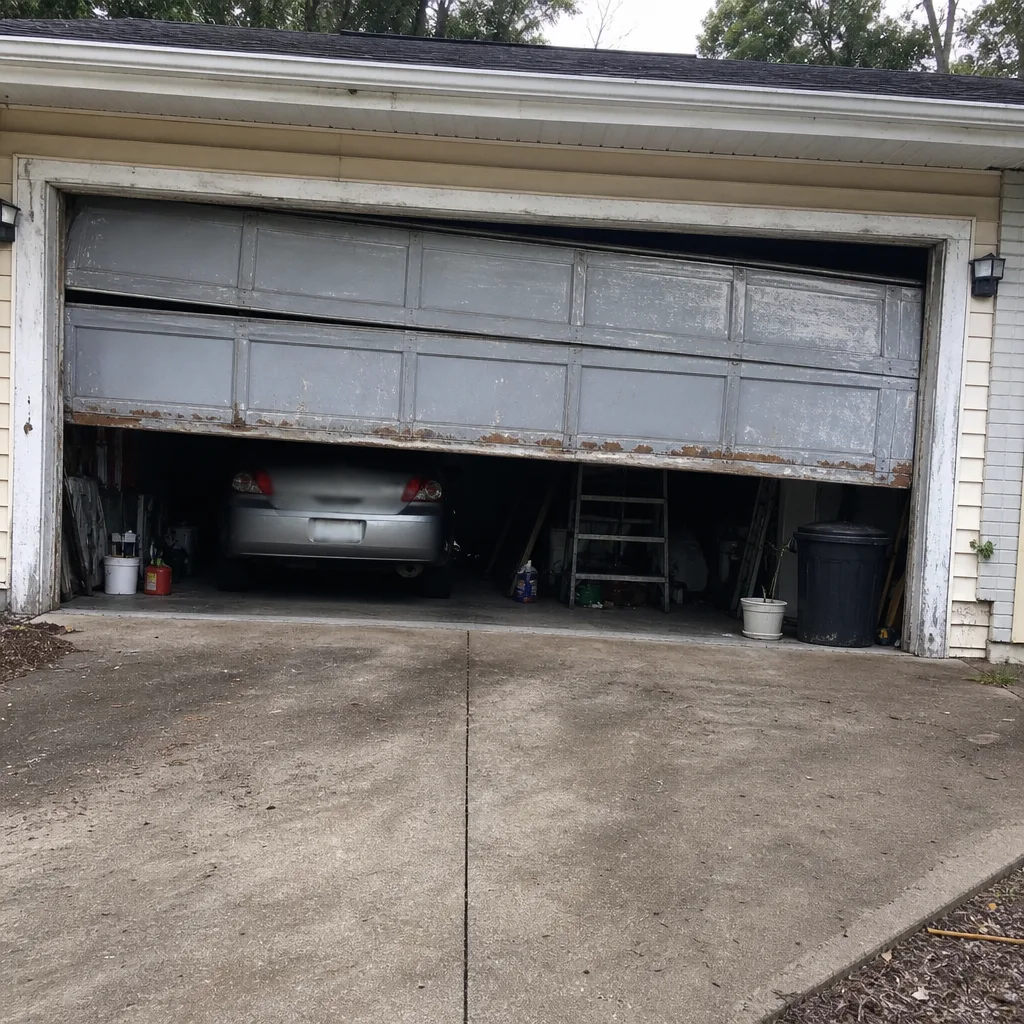
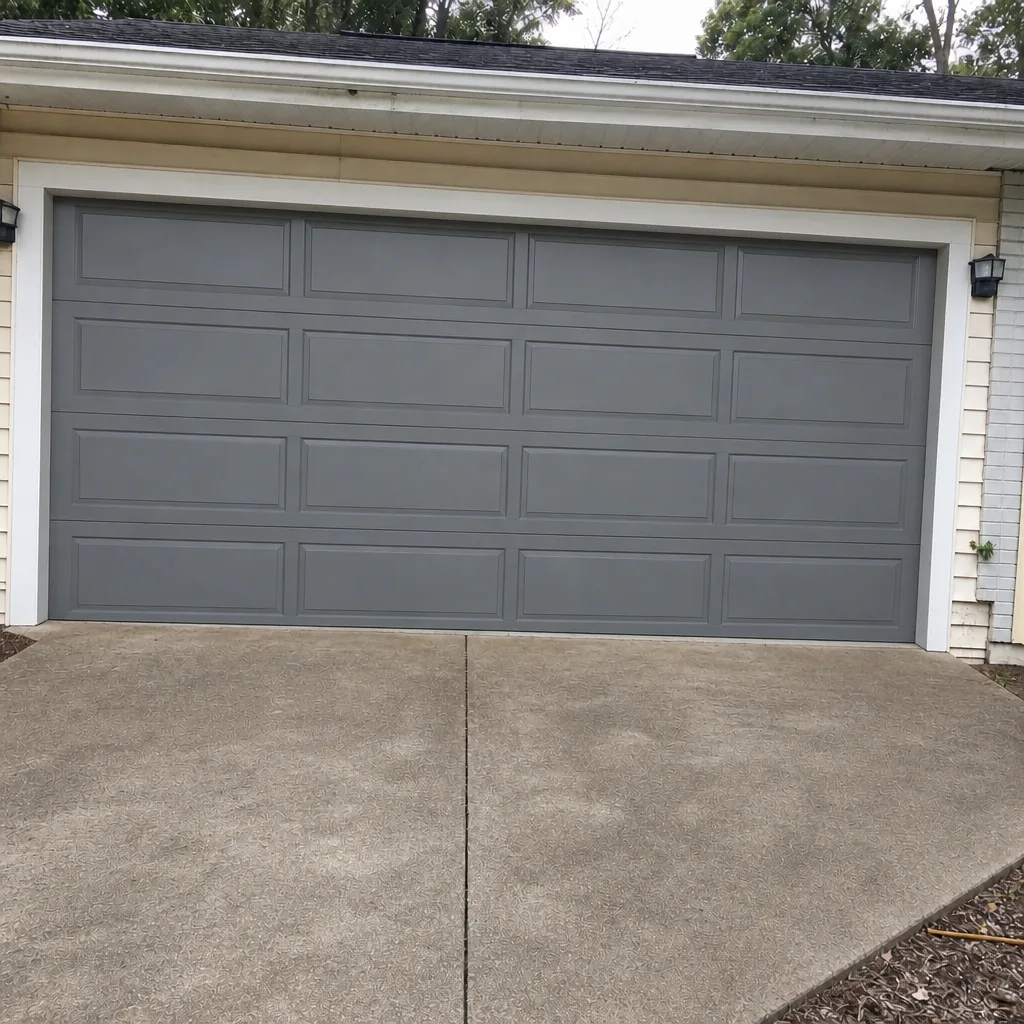
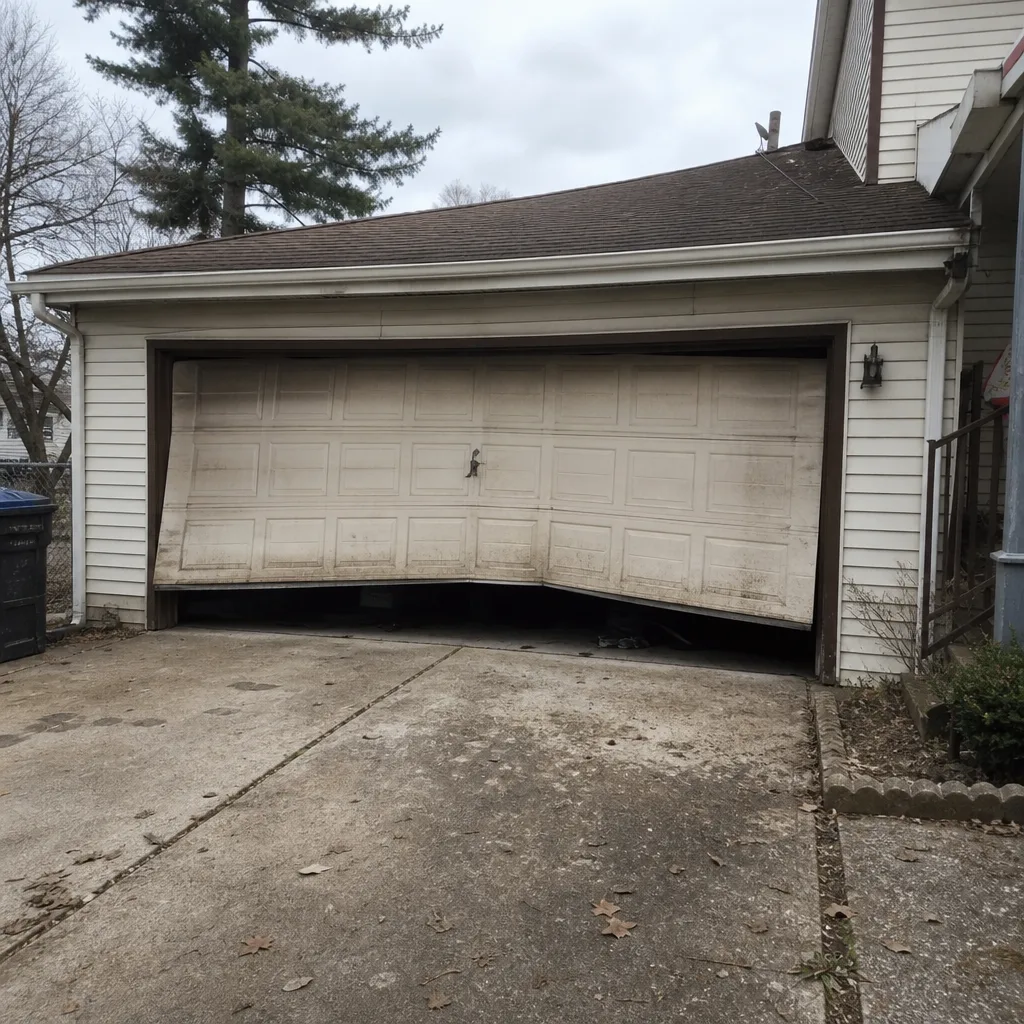
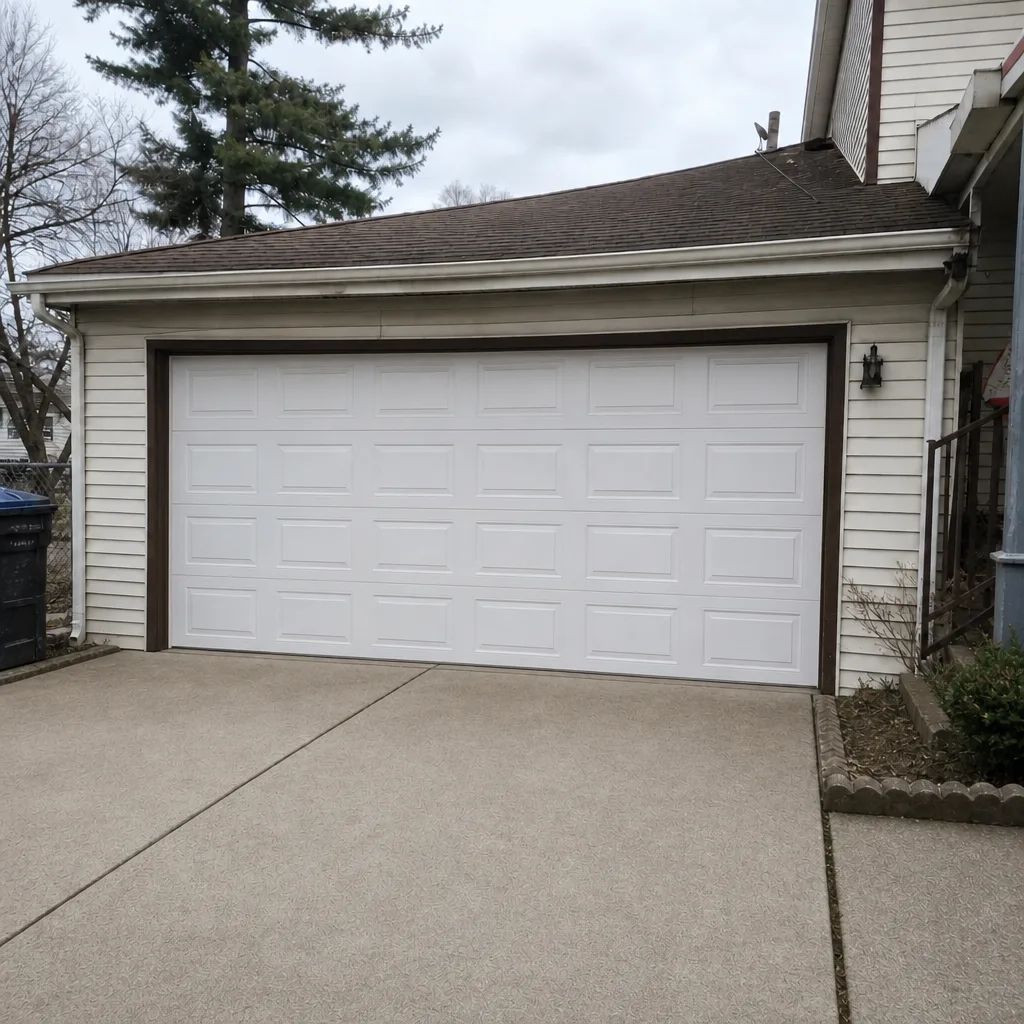
See the difference
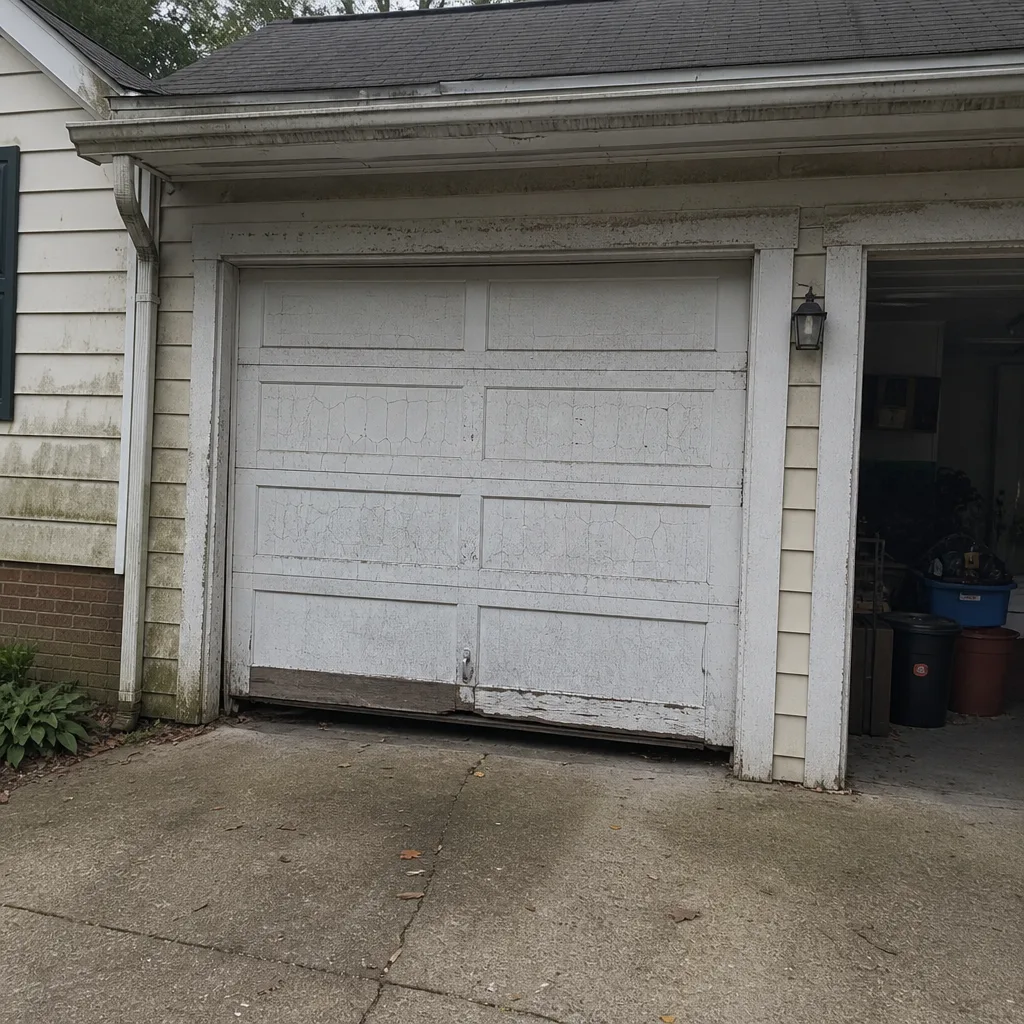 Before
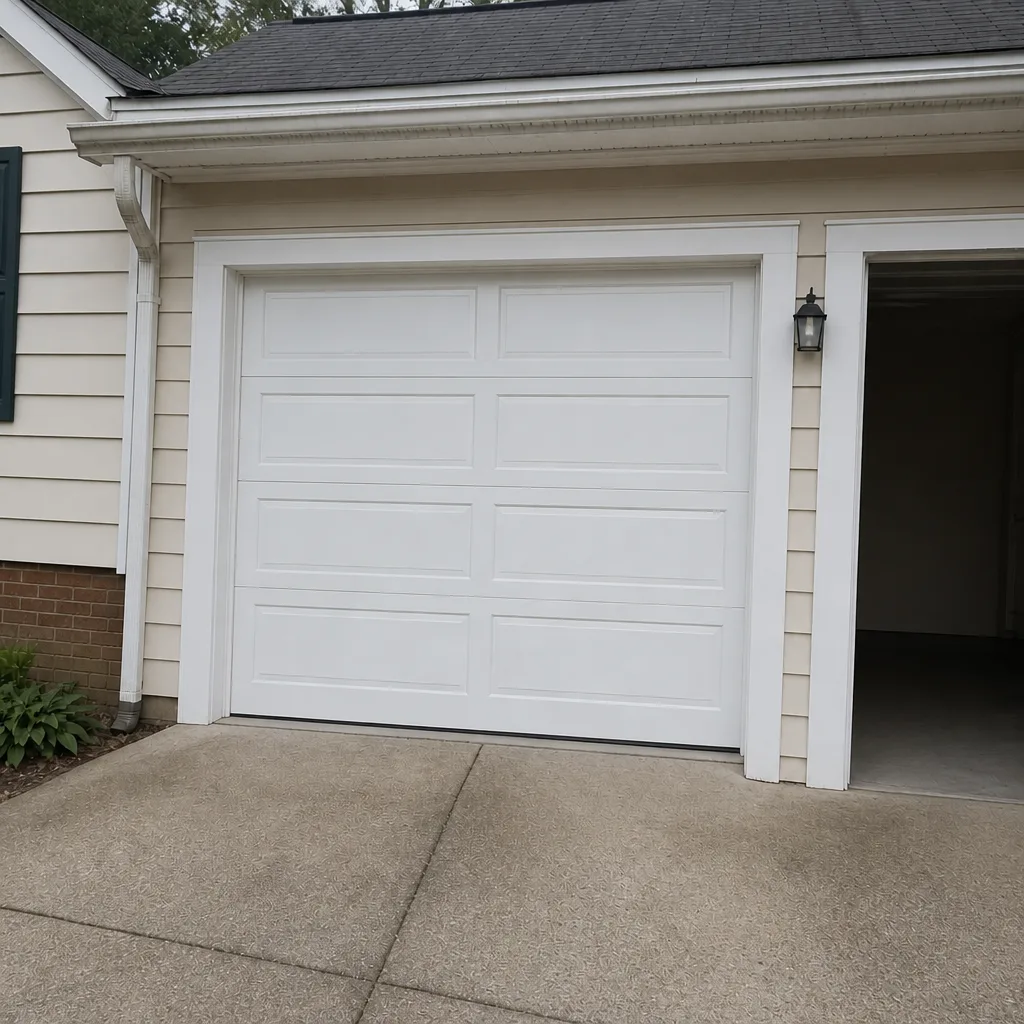 After
 Before
 After
 Before
 After