Last updated November 21, 2026
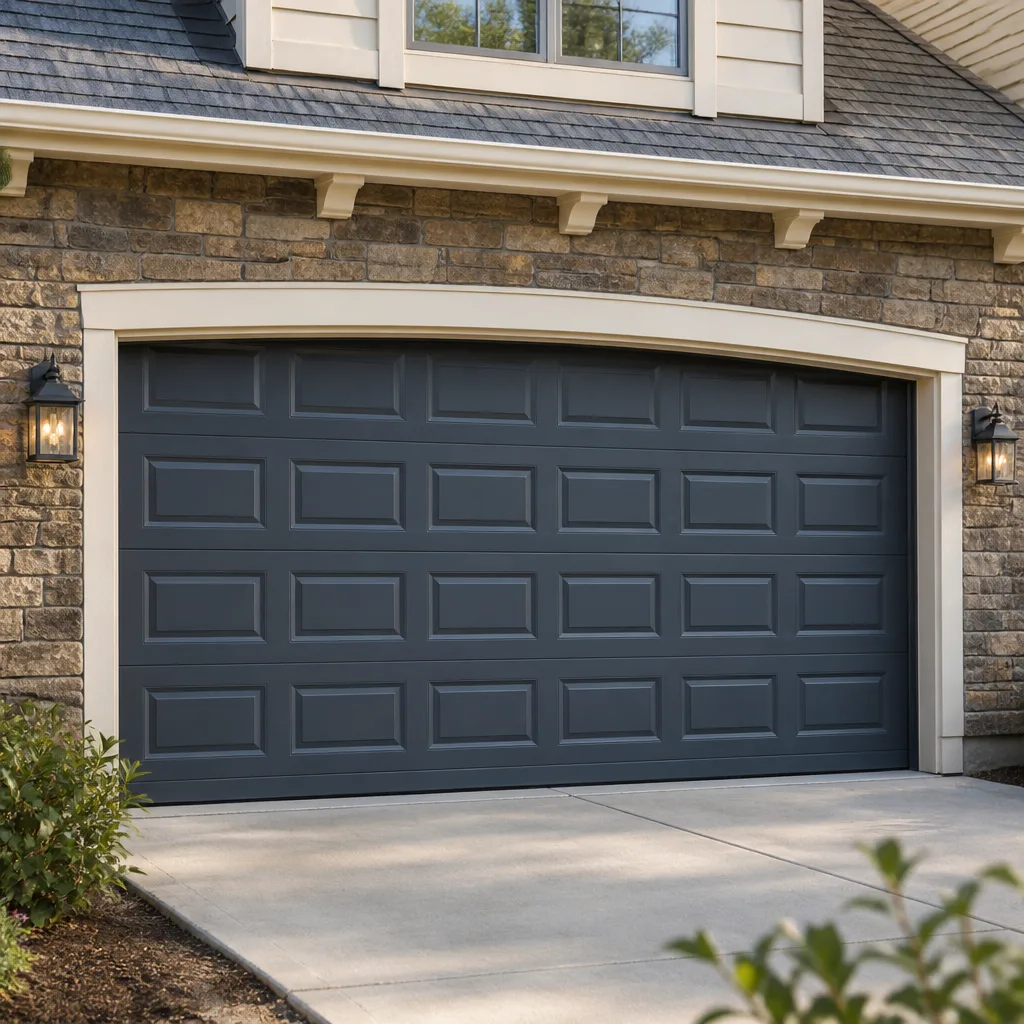 Raised-panel steel
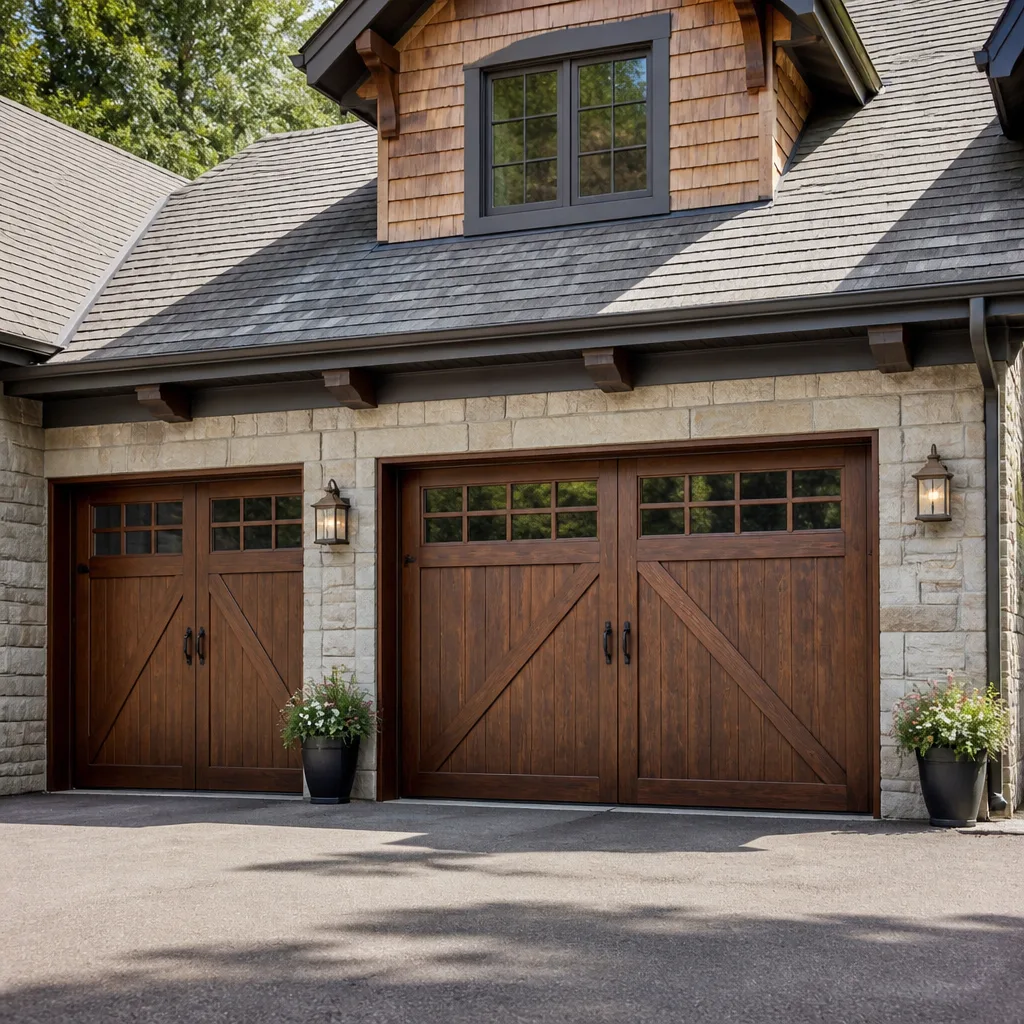 Carriage house
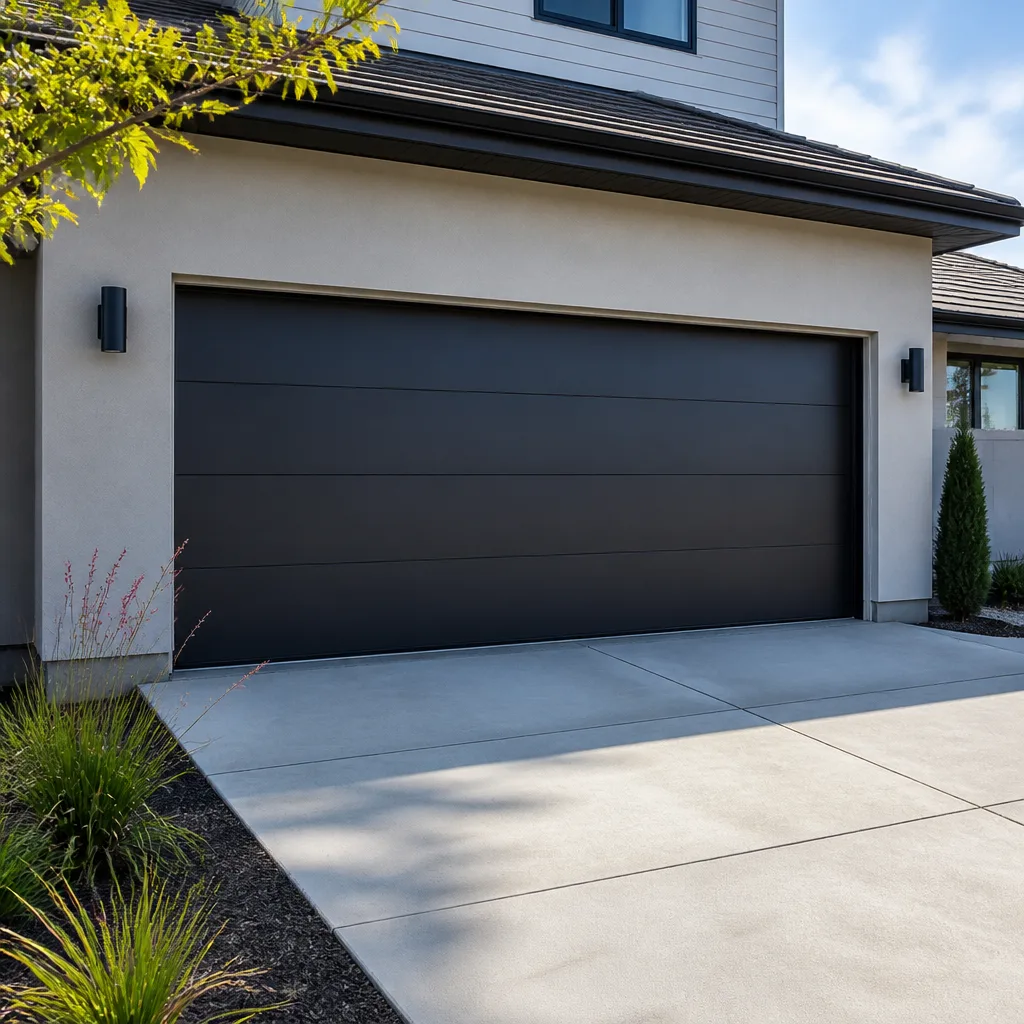 Modern flush
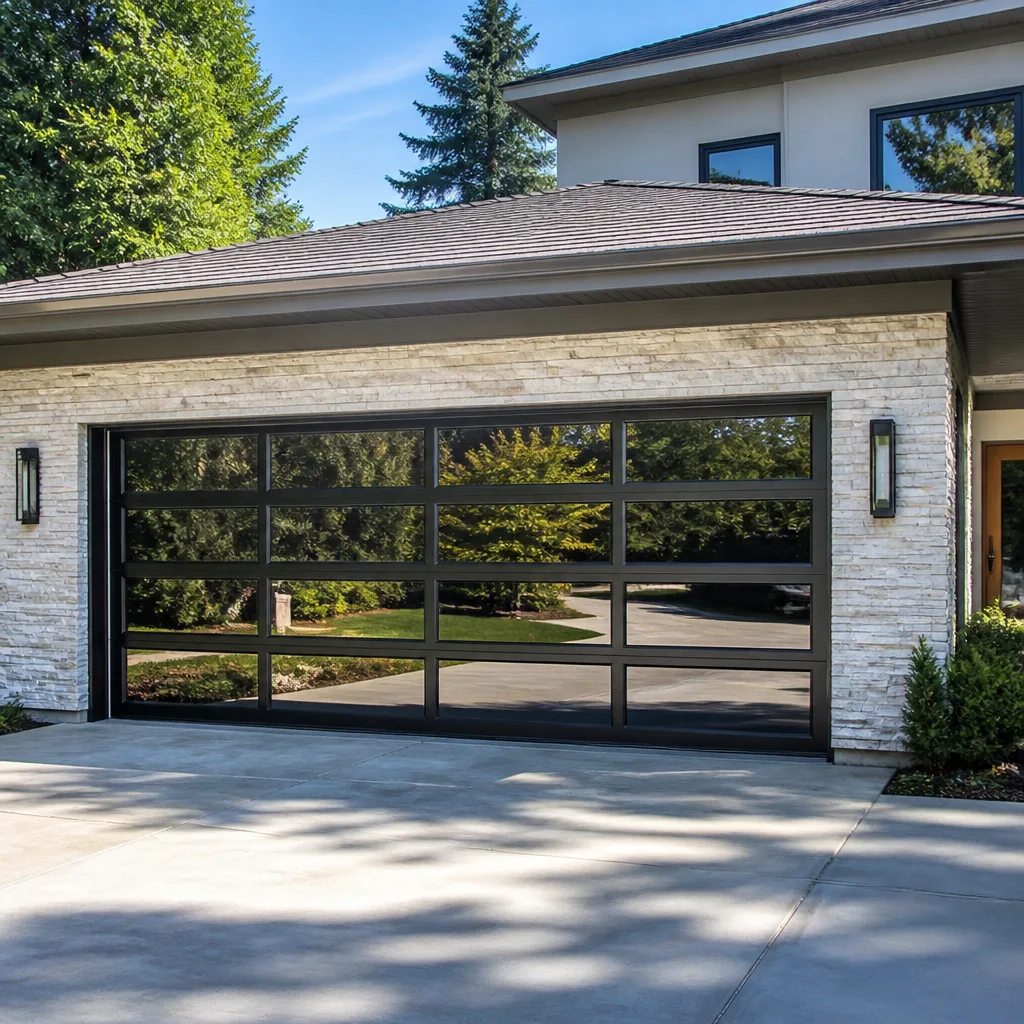 Full-view glass
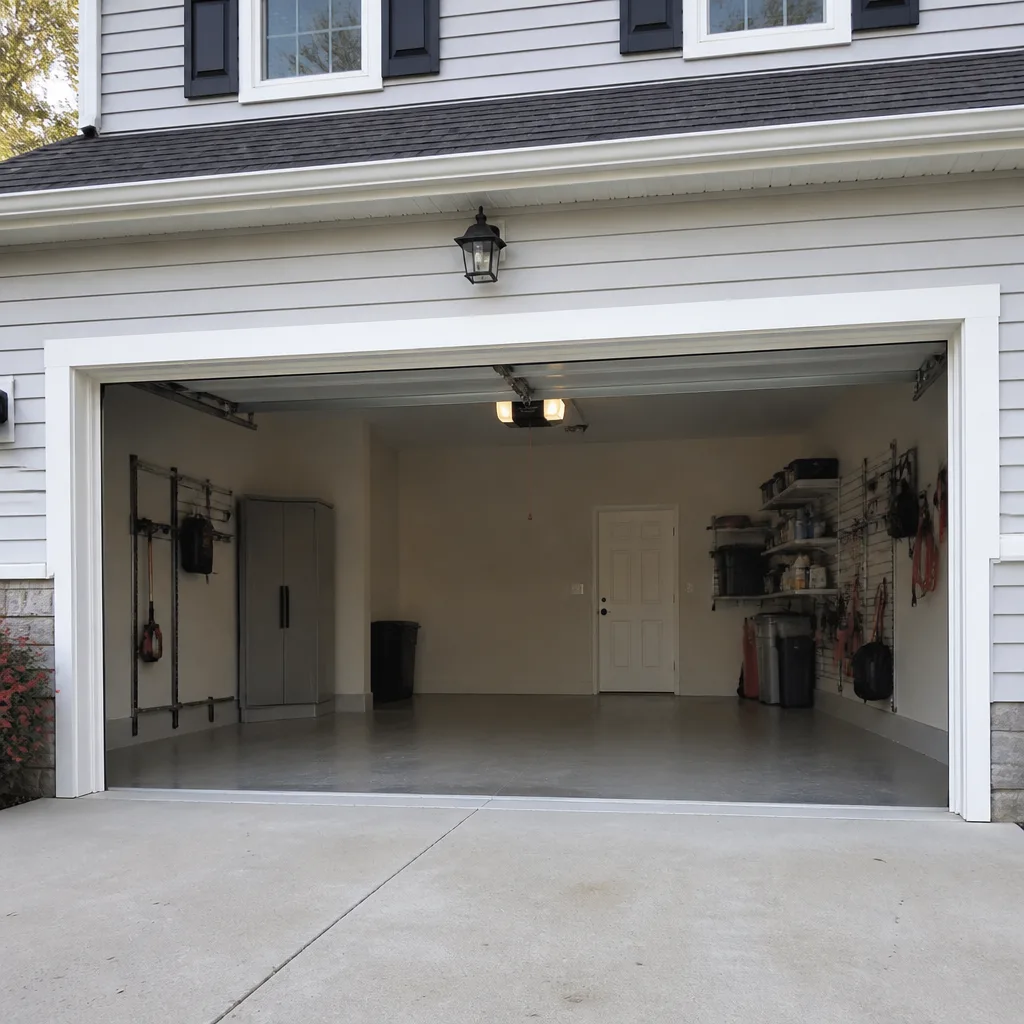 LiftMaster openers
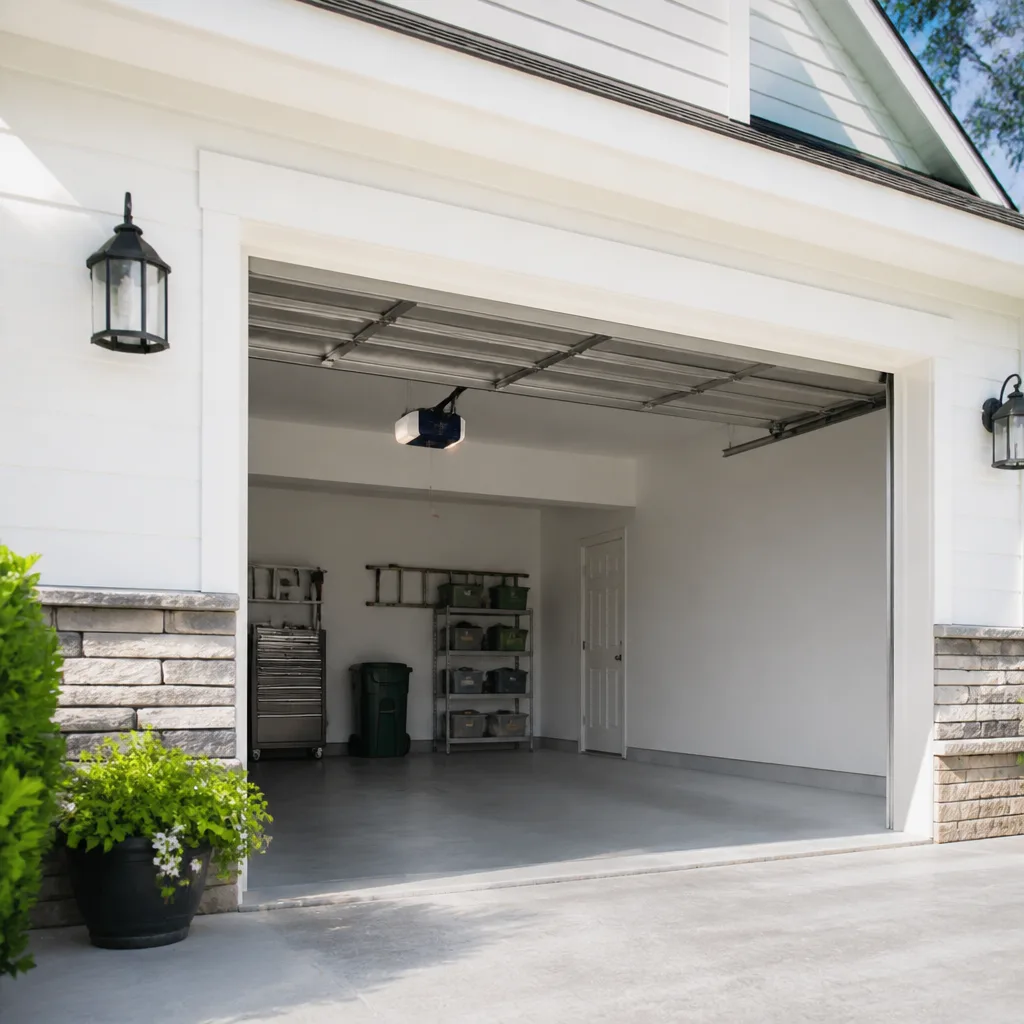 Chamberlain openers
Full 25-point door and opener safety check with every visit - springs, cables, rollers, tracks, and your LiftMaster or Chamberlain opener included
You get a price before we start. It does not change when the pro arrives.
Get your free estimateGarage Door Repair Troubleshooting in Oxford Circle: Common Problems and How to Fix Them
A door that won’t close is almost never just a sensor problem. But that’s the first thing most homeowners check, and they lose twenty minutes staring at the photo-eye lenses before they even look at the rest of the system. Here’s the pattern we see constantly across Oxford Circle: the door tells you what’s wrong through noise, movement, and response, and almost nobody reads all three signals together. This guide teaches you to diagnose the whole door before you touch a single part. You’ll learn which problems are safe to fix yourself, which ones to stop and call on, and why Oxford Circle’s row-home garages fail in ways that newer suburban garages don’t.
Quick Answer
Most garage door problems in Oxford Circle fall into three buckets: opener and electronic failures (remotes, wall buttons, logic boards), mechanical failures (springs, cables, rollers, tracks), and safety-reverse failures (sensors and limit switches). Diagnose by watching the door move, listening for sounds, and testing the wall button separately from the remote. Sensor alignment and limit switch adjustment are safe to handle yourself. Broken torsion springs, cables off the drum, and anything involving the opener’s internal wiring require a trained technician.
Styles & brands we work with
- Raised-panel steel
- Carriage house
- Modern flush
- Full-view glass
- LiftMaster openers
- Chamberlain openers
Table of Contents
- The Symptom-to-Cause Map: Read the Whole Door First
- Why Oxford Circle Row-Home Garages Fail Differently
- DIY-Safe Fixes vs. Stop-and-Call Fixes
- How to Test Opener vs. Door vs. Wiring Safely
- Five Common Misdiagnoses We See in Oxford Circle
- What Door Noises Tell You About Wear
- Opener and Brand-Specific Troubleshooting Notes
- Seasonal Shifting and What It Does to Tracks
The Symptom-to-Cause Map: Read the Whole Door First
Before you grab a screwdriver, categorize what’s actually happening. Garage door problems sort into three observable signals: noise (what you hear), movement (how the door travels), and response (whether the door reacts at all). Most homeowners look only at the last one, which is why they end up replacing a remote when the real problem is a stripped gear inside the opener.
Noise signals
- Loud bang from above the door: almost always a torsion spring breaking. Stop using the door.
- Grinding or squealing during travel: worn rollers, dry hinges, or a failing bearing plate.
- Clicking near the opener head: a gear or sprocket inside the unit losing teeth.
- Rattling at the top of the track: loose track fasteners or a misaligned top roller.
Movement signals
- Door travels a few inches and reverses: safety-reverse sensor or limit switch issue.
- Door goes up crooked: a stretched or broken cable, or a bound roller on one side.
- Door sags at one corner: broken spring on that side (for extension setups) or a snapped torsion spring.
- Door won’t lift at all but the opener runs: the operator is disengaged or the drive gear has failed.
Response signals
- Remote dead, wall button works: remote battery, remote programming, or a radio receiver board in the opener.
- Wall button dead, remote works: wiring at the wall station or a control board fault.
- Nothing responds, opener silent: power supply, circuit, or a failed logic board.
- Opener runs but door doesn’t move: mechanical disconnect between the operator and the door.
Cross-reference the two signals. A dead remote is a response-only problem. A door that runs but doesn’t lift is a movement problem with a response that looks fine. Two signals usually narrow the cause to one system; three signals almost always point to the opener itself. That’s the whole method. Read the door, not just the symptom.
Why Oxford Circle Row-Home Garages Fail Differently
Oxford Circle’s housing stock is dominated by attached and semi-attached row homes built in the postwar decades. That construction style creates a specific set of garage door problems that don’t show up nearly as often in detached suburban houses. If your garage shares walls with a neighbor, read this section before you assume your door is simply “getting old.”
Tight clearances
Row-home garages often leave very little headroom and side room. The torsion spring and shaft sit close to the ceiling, and the tracks run tight against the adjoining walls. When a door is at the edge of its clearance envelope, even a small amount of track drift or a slightly stretched cable creates rubbing that would be harmless in a roomier garage. We see doors that scrape the jamb on one side simply because the wood framing shifted a half-inch.
Aging wood headers
The header above the garage opening carries the entire load of the torsion system. On older Oxford Circle homes, that header is wood, and decades of seasonal expansion and contraction can loosen the lag bolts that anchor the center bearing plate. A door that suddenly starts rumbling or moving unevenly after decades of smooth operation is often telling you the spring anchor lost torque, not that the springs themselves failed. A technician can check header integrity before repairing the door mechanism.
Misaligned tracks from seasonal shifting
Because row homes sit shoulder to shoulder, the walls that carry your garage tracks are also your neighbor’s walls. When the soil shifts with the freeze-thaw cycle that hits this part of Philadelphia, the whole block moves together. The door frame racks slightly, the vertical tracks go out of plumb, and the rollers start to bind. This is why garage door repair Oxford Circle often begins with re-plumbing the tracks, not replacing hardware.
DIY-Safe Fixes vs. Stop-and-Call Fixes
Two categories. Know them cold. Some problems are safe, reversible, and worth trying yourself in five minutes. Others will send you to the emergency room if you touch them wrong. Torsion springs store tremendous energy; a broken one under load can whip a tool out of your hand before you realize what happened. No guide, no video, and no hardware-store kit makes that job safe for a homeowner.
Safe to handle yourself
- Sensor alignment: the two photo-eye lenses at the bottom of the track should point at each other. If one is nudged or the sun catches it wrong, the door won’t close. Cleaning the lenses and gently realigning them is fine.
- Limit switch adjustment: on many openers, two trim screws on the side of the head set how far up and down the door travels. Small quarter-turn adjustments are standard homeowner maintenance. Check the manual for your specific model – Genie, LiftMaster, Chamberlain and Craftsman all use a similar layout.
- Force adjustment: if the door reverses on contact with a light object and the sensors are fine, the close-force setting may need a nudge. Follow the opener manual, never “max it out” to force a sticking door.
- Remote re-pairing: fresh batteries and reprogramming a remote to the opener is safe. If reprogramming doesn’t take, the problem isn’t the remote.
- Lubrication: a light application of garage-door lubricant on rollers, hinges, and the torsion bar (never on the tracks or spring coils) quiets most squeaks.
Stop and call
- Broken torsion spring. You’ll hear a bang. The door may not move, or may be dangerously heavy to lift. Do not attempt to move the door, do not cut the remaining spring, do not unwrap anything. This is a trained-technician job, full stop.
- Cable off the drum. Cables are under immense tension. Loosening or attempting to re-spool a cable by hand is a serious injury risk. Call a professional.
- Door dropping or slamming. If the door free-falls when you disengage the operator, the counterbalance system has failed. Stop using the door.
- Any electrical work inside the opener housing. Capacitors and logic boards hold charge. Unless you’re trained, leave the panel on.
- Bent or buckled track from impact. You can sometimes see the bend but bending track back by hand rarely restores alignment. Get it replaced.
If you’re not sure whether your problem is on the safe side or the stop side, that’s the moment to call us at (855) 658-4215. A free estimate over the phone or in person tells you which category you’re in – without you touching anything under tension. Spring repair in particular is a core service for us, not a referral, so we handle it directly.
How to Test Opener vs. Door vs. Wiring Safely
You can isolate the failing system in under five minutes without opening the opener housing, cutting wires, or putting your hands anywhere near the spring. Here’s the sequence we walk homeowners through when they call garage door opener repair and aren’t sure whether the operator or the door is at fault.
- Disengage the operator using the manual release. Pull the red cord hanging from the trolley. The door should now be hand-operable (gently – if it free-falls or feels very heavy, stop and call). You’ve just isolated the door from the opener.
- Test the door by hand. Lift it partway and let it settle. A properly balanced door should hold roughly where you leave it and move with modest effort. If it feels heavy, binds, or drops, the problem is mechanical (springs, cables, rollers, track), and no amount of opener repair will fix it.
- Test the wall button. With the door disengaged, press the wall console. The opener motor should run and the trolley should travel the full length of the rail. If it does, the opener’s brain and wiring are healthy – the fault was in the door. If the trolley doesn’t travel, the opener or its wiring is the issue.
- Test the remote separately. Press the remote while the wall button is working. If the wall button works and the remote doesn’t, the problem is the remote or the receiver board – not the drive system.
- Test the safety reverse. Re-engage the operator. Press the wall button to close the door and wave a solid object through the photo-eye beam. The door should reverse immediately. If it doesn’t, the safety system needs attention before the door is used again.
That’s five diagnostic steps, no tools required, no warranty voided, no risk. If you find that the door itself is the problem, that’s a mechanical service. If it’s the opener head or wiring, that’s an electronics service. Either way, you’re calling in with a real diagnosis instead of “the door is broken.” Our technicians have up to 13 years of experience handling both sides of the equation, and covering both under one call is one of the reasons we structure our work the way we do.
Five Common Misdiagnoses We See in Oxford Circle
The most expensive part of a garage door problem is often the wrong part you bought first. Here are the five misdiagnoses we run into again and again, each tied to a real pattern we see on Oxford Circle doors.
1. “My remote is dead, so I need a new remote.”
Usually it’s not the remote. If the wall button works and a fresh-battery remote won’t, the opener’s receiver logic board or the drive gear is suspect. On LiftMaster and Chamberlain units with the myQ ecosystem, a Wi-Fi module that’s dropped offline can mimic a receiver fault. On Genie units with Aladdin Connect, we’ve seen the app-induced confusion of thinking the opener is offline when it’s actually a control board issue. Test the wall button first – always.
2. “The door is stuck, so the opener is broken.”
The door is stuck. The opener is fine. Ninety percent of “the opener won’t lift the door” calls turn out to be a broken spring, a bound roller, or a misaligned track. The opener is doing its job – it’s just straining against a door it can’t lift. If you hear the motor running but the door doesn’t budge, disengage the manual release and check the door by hand (see the previous section).
3. “The sensors must be bad.”
A lot of money gets spent on sensor replacement when the actual problem is an intermittent wiring connection at the sensor bracket or a misaligned track pushing the sensor out of aim. Sensors rarely fail outright; they get nudged, get dirty, or lose connection. If you’ve cleaned the lenses and the LED lights are solid, the sensor isn’t the problem.
4. “The spring just needs to be re-tensioned.”
Once a torsion spring snaps, it’s done. There is no re-tensioning a broken spring. What sometimes happens is the spring didn’t break but lost tension, and the door feels heavy. That’s a technician adjustment, not a homeowner one, because the spring has to be unwound and re-wound on the torsion bar, and the risks are identical. Never try to “tighten” a torsion spring yourself.
5. “It’s probably the door panel.”
Panel damage is visible, so it’s easy to blame. But a dented lower panel that still seals properly isn’t causing your safety reverse failure or opener noise. We see homeowners book a panel replacement when the real problem is the limit switch on the opener, or vice versa. Look for both, not just the one your eye lands on first.
What Door Noises Tell You About Wear
Noises are the door’s earliest warning system. Learn to translate them and you’ll catch most failures before they strand your car.
- Steady squeak on every open: dry hinges or rollers. Lubrication, not replacement.
- Rattling from one roller: a worn nylon roller with flat spots. Cheap part, low-cost fix, worth catching early.
- Grinding from the opener head: stripped gear or worn sprocket inside the unit. The opener needs service, not the door.
- Loud bang from the torsion bar: spring broke. Stop using the door and call.
- Scraping at the top track: bent top section or a bound top roller. Often tied to track alignment drift.
- Humming opener that doesn’t move: a failed capacitor is one possibility, disconnected trolley another, stripped gear a third. Diagnose opener-side.
Noise mapping is cheap and high-value. Most of the calls we handle for garage door repair involve catching a wear pattern a homeowner had already heard but hadn’t named. If a sound is new and persistent, it’s information worth acting on. If it’s a bang followed by silence, it’s an emergency.
Opener and Brand-Specific Troubleshooting Notes
Openers from different manufacturers fail in different ways and behave differently under diagnostic tests. We work on the eight major brands – LiftMaster, Chamberlain, Genie, Clopay, Amarr, Wayne Dalton, Craftsman, and Raynor – so we’ve seen the patterns each one produces. Here’s what’s useful to know regardless of which one is on your ceiling.
Smart-capable openers (myQ and Aladdin Connect)
If your opener is a LiftMaster or Chamberlain with myQ, or a Genie with Aladdin Connect, “the door didn’t respond” has a fourth possible cause beyond remote, wall button, and power: the smart module. A firmware issue or an offline hub can lock out app control while the wall button still works. Before you assume the opener is broken, verify the wall button works and let the app re-sync.
Older openers
If your opener is more than a couple of decades old, gear and sprocket wear becomes the primary failure on the operator side. On Genie units from that era, the internal drive gear is a known wear item. On Craftsman generations still running today, the logic boards can fail without warning. Both are serviceable problems, not always “replace the whole opener” problems – but the diagnosis comes first.
Door side of the equation
Clopay, Amarr, Wayne Dalton, and Raynor doors each have their own panel construction and spring configurations. A door that reverses incorrectly or feels out of balance on an Amarr or Clopay isn’t a brand quality issue; it’s usually a counterbalance adjustment or a roller that’s gone flat. Factory-familiar parts knowledge matters here – we know the spring configurations each brand uses and don’t need to guess at hardware.
If you’re not sure which opener or door you have, don’t guess from a brochure. The model plate on the opener head carries a brand and model number, and the door’s panel style is enough for a technician to identify it. When we visit, we’re working from the exact unit you own, not a generic schematic.
Seasonal Shifting and What It Does to Tracks
Oxford Circle’s freeze-thaw cycle is the quiet engine behind a lot of garage door problems that look sudden but have been building for months. When soil moisture cycles through freezing and thawing across the winter, foundations and attached garage walls shift fractionally. Multiply that fractional shift by decades and the vertical tracks are no longer plumb, the horizontal tracks are no longer level, and the door no longer travels square.
What to watch for each season
- After winter (spring): doors often need a track realignment, and limit switches may drift. Check that the door travels evenly and the safety reverse works.
- Summer heat: wood headers dry and shrink slightly, loosening lag bolts on the spring anchor. Watch for new rumble or squeak on the torsion bar.
- Fall transitions: rollers pull out of alignment, and the door’s balance often changes. Hand-test the door once the weather turns.
- Winter freeze: the track the door runs on can frost or bind; a door that worked in October may struggle in January until the track is cleared.
Once a year, hand-test the door with the operator disengaged. If it feels heavy, binds, or sags, seasonal shift is a likely cause – and it’s worth catching before it becomes a broken spring. If you need a new door rather than a repair, we handle full garage door installation in Oxford Circle and can spec a door that works better with your garage’s actual clearances.
Common Mistakes to Avoid
- Forcing a stuck door with the opener. Every press of the button on a door with a broken spring or bound roller strains the drive gear and can burn out the opener. Disengage the manual release and diagnose the door before you use the operator again.
- Cutting or removing a broken torsion spring. A snapped torsion spring still holds stored energy. Do not try to remove, cut, or unscrew it yourself. This is the number one way homeowners end up in the emergency room.
- Maxing out the force adjustment to force a sticking door. If the door binds, the correct fix is to correct the door – not to increase the close-force setting until it moves. Forcing it hides the real problem and defeats the safety reverse.
- Replacing sensors when the wiring is the problem. If the door reverses and the sensor LEDs are solid, the sensor isn’t broken. Check the bracket and wiring before you buy a part.
- Assuming a dead remote is a remote problem. Test the wall button first. If the wall button works and a fresh remote doesn’t, the receiver board is more likely than the remote.
- Assuming the newest panel damage is the only damage. A dented panel that seals fine isn’t behind your safety reverse failure. Look at the mechanical system and the operator side before you order a panel.
- Ignoring track misalignment after a seasonal shift. Row-home garages in Oxford Circle shift with the block. A door that stops traveling smoothly needs a track check, not just a lubrication pass.
See the difference
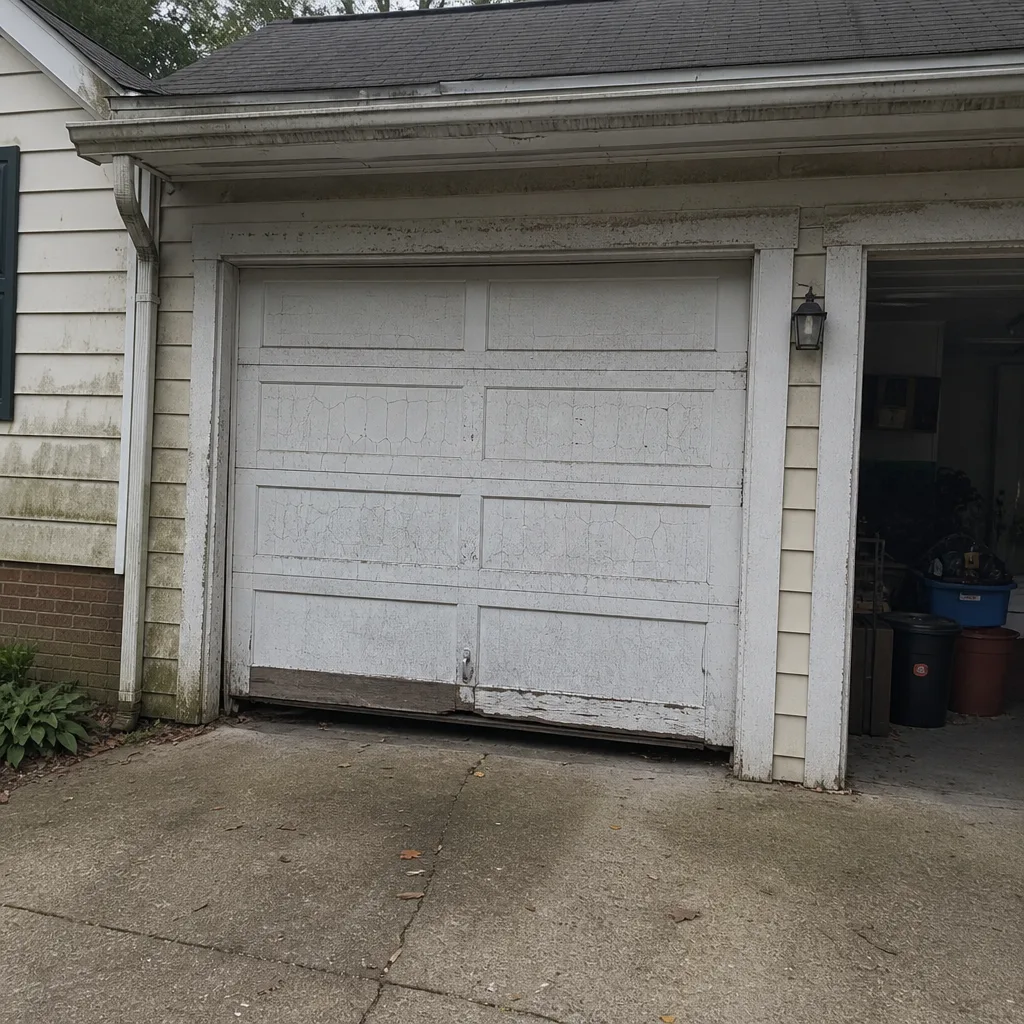 Before
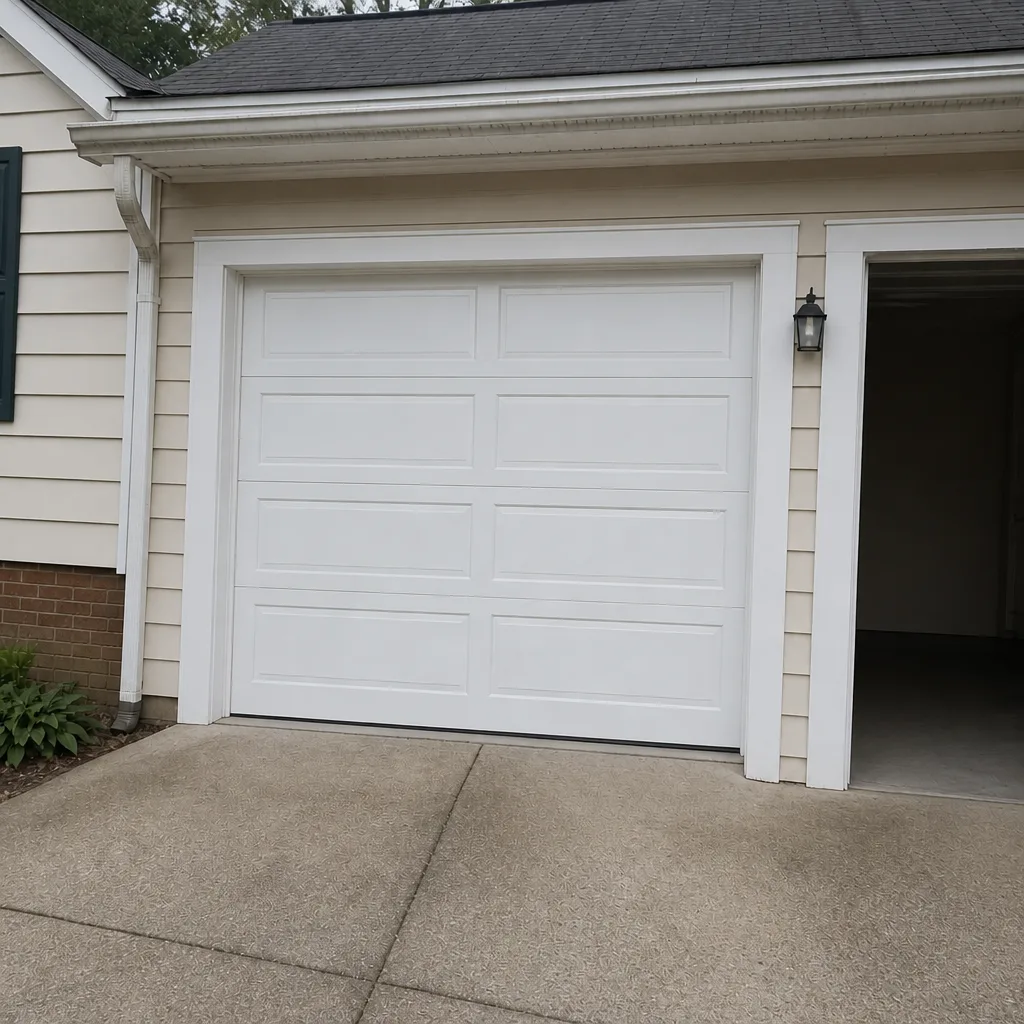 After
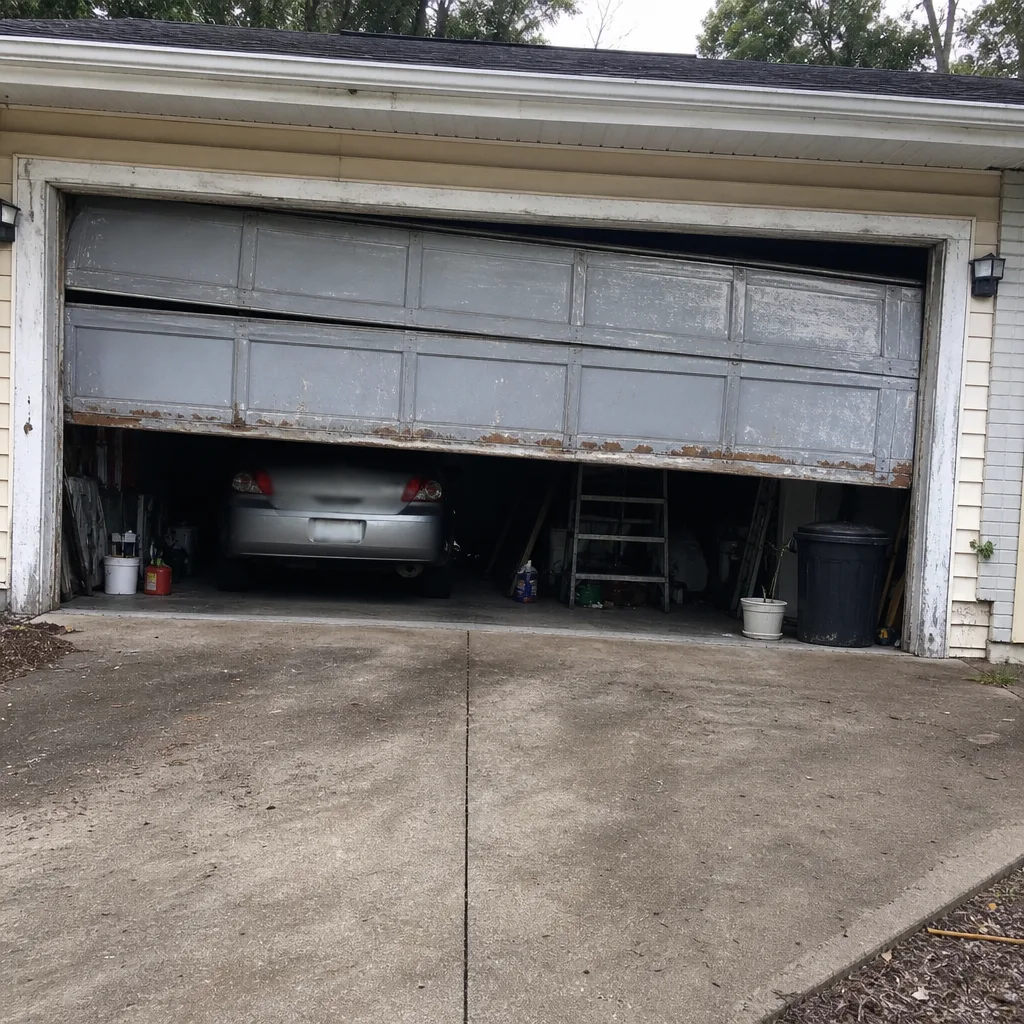 Before
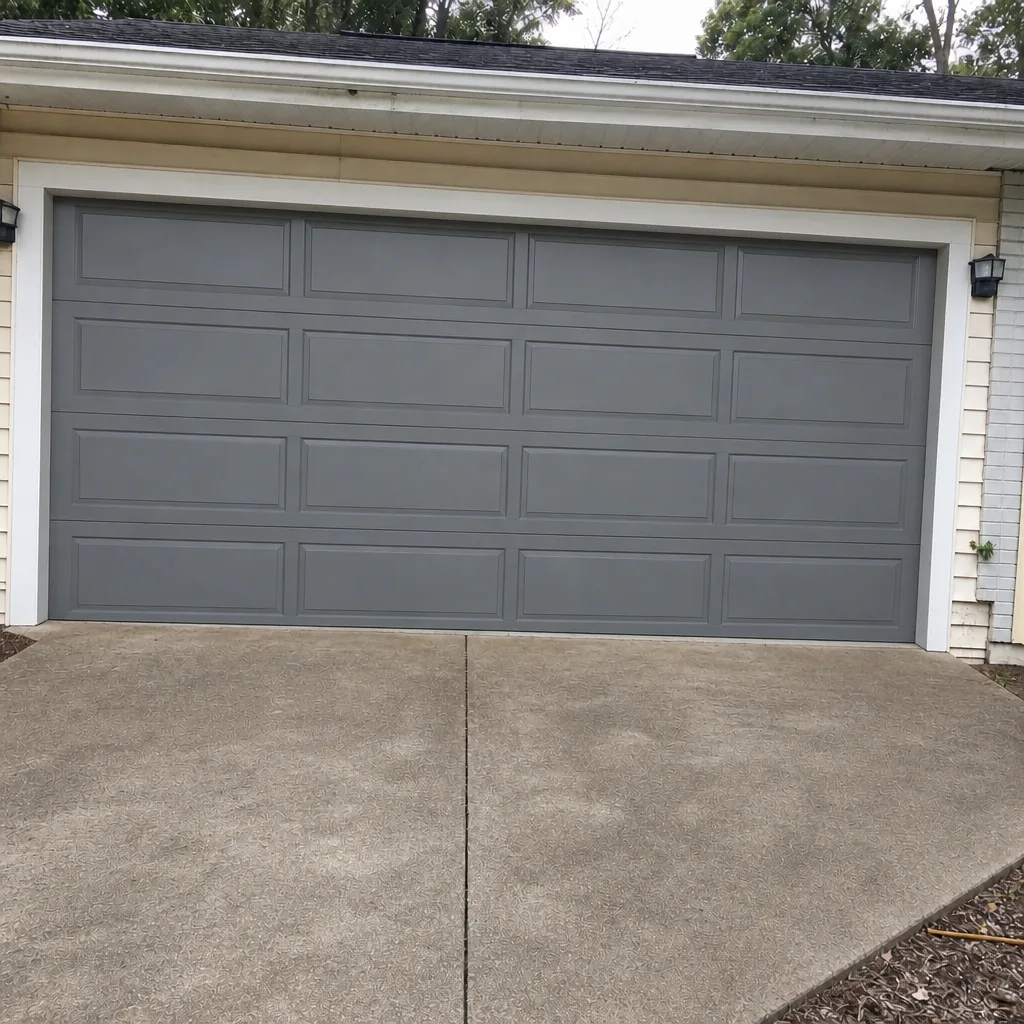 After
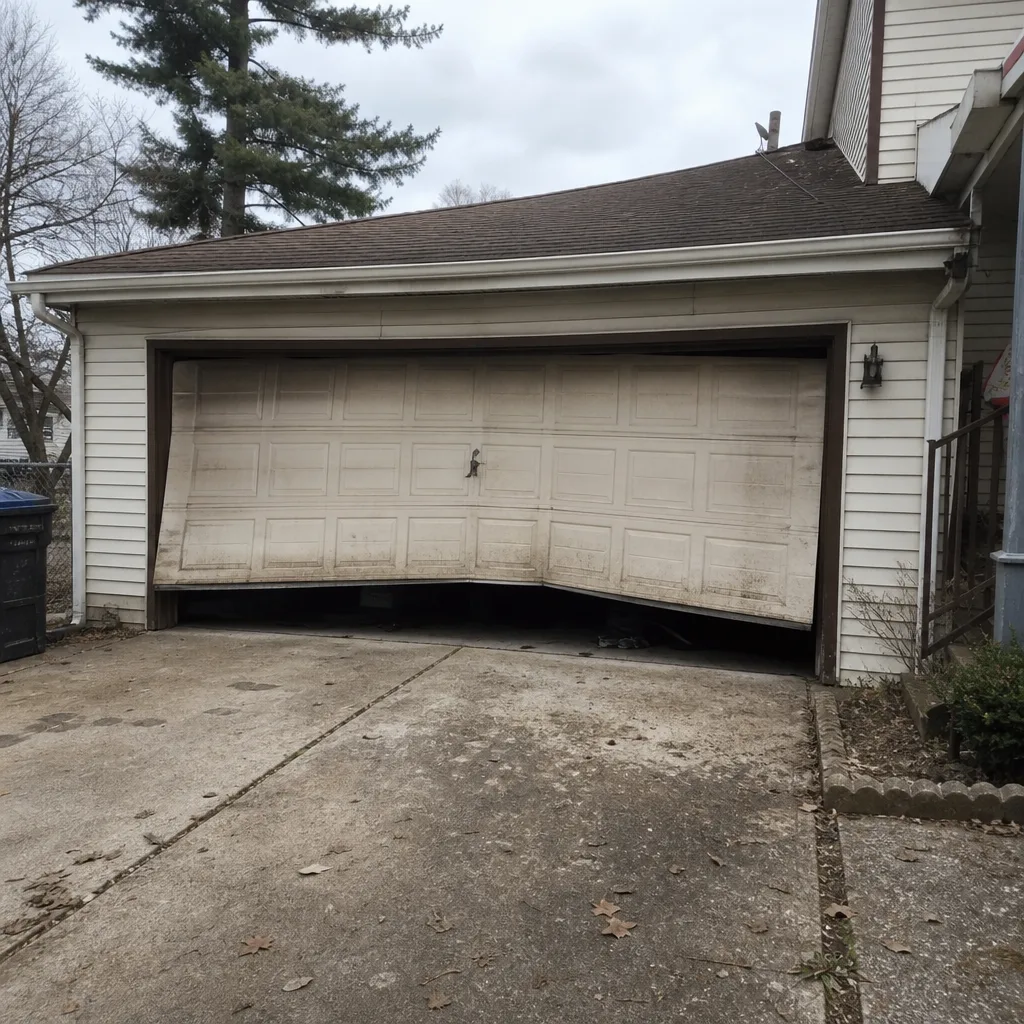 Before
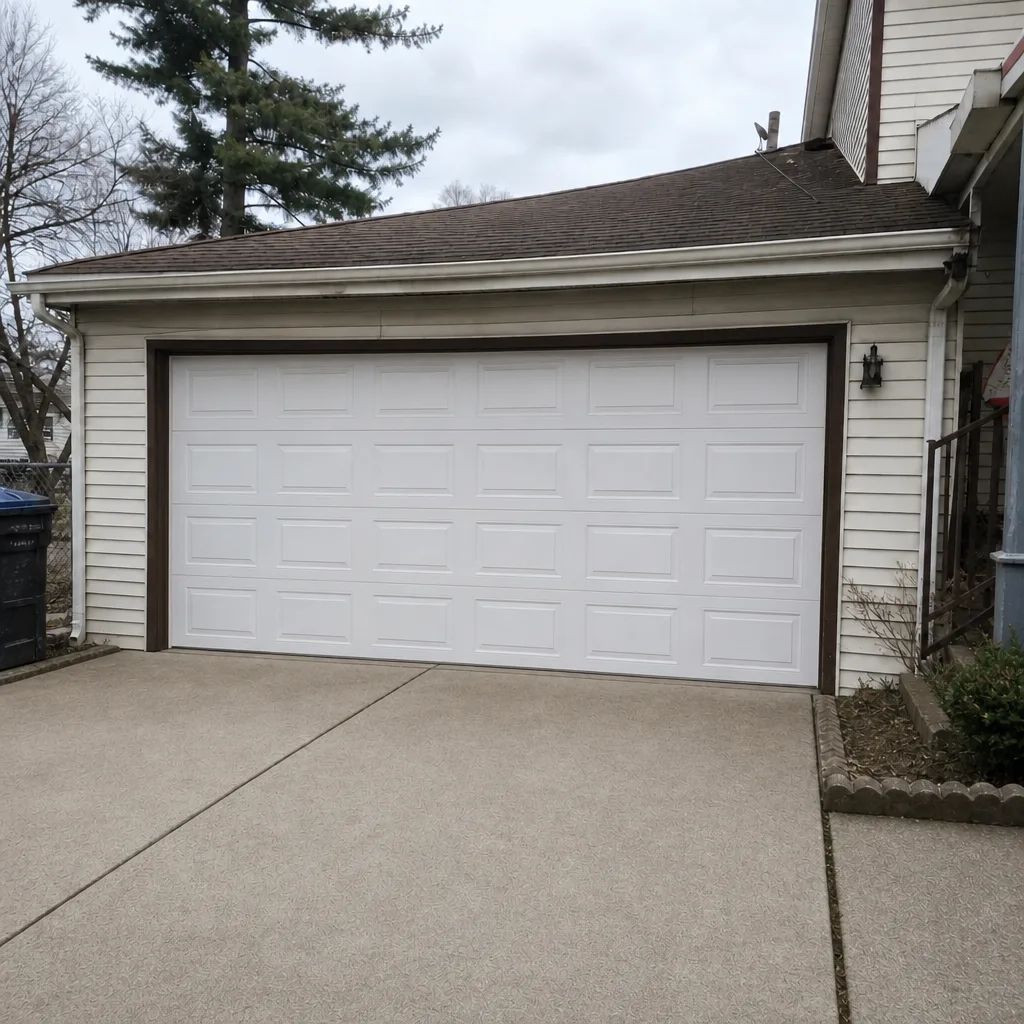 After
When to Call a Professional
Call a trained technician if any of the following are true: the door won’t move and you’ve already checked sensors and the wall button; you hear a bang from the torsion bar and the door has become heavy or stuck; you see a cable off its drum; the door drops or slams when you disengage it; the opener runs but the door doesn’t; or the safety reverse fails its manual test. Any of these means the door is either dangerous or on the edge of a much bigger repair. Spring repair and cable work in particular need a trained technician, no exceptions. Garage Door Repair Oxford Circle offers free estimates in Oxford Circle – call (855) 658-4215.
Frequently Asked Questions
In most cases, the door won’t close because the safety-reverse system is interrupted – the sensor lenses are dirty, nudged, or catching sunlight wrong. The other common cause is a broken torsion spring that leaves the door too heavy for the opener to close properly. Clean and align the sensors first; if the door is heavy or you’ve heard a bang, stop and call us at (855) 658-4215 for a free estimate.
Repair pricing depends entirely on the part and the labor involved. A single broken torsion spring is typically the most common repair we handle and is quoted per spring, since a matched pair is usually replaced together and costs about twice a single spring. Opener repairs, sensor work, and track realignment are quoted separately. We give a written estimate before any work starts – the price agreed on paper is the price. Call (855) 658-4215 for a free estimate.
Yes, emergency garage door service is part of what we do – not a scheduled appointment slot we open up if we can. If your car is trapped or the door poses a safety risk, call (855) 658-4215 and we’ll talk through the situation and get a technician out for an emergency repair. Sensors, limit switch issues, and springs are the most urgent categories.
Row-home garages have tighter clearances, older wood headers, and shared walls that move with the block. Tracks go out of plumb more easily, and spring anchors loosen over time. The door mechanics are the same as any garage, but the surroundings make alignment and header checks especially important. If your door has never felt quite right, that’s usually why.
Opener problems show up as response issues: the remote doesn’t work, the wall button doesn’t work, the opener hums but doesn’t move, or the opener runs but the trolley doesn’t travel. Door problems show up as movement issues: the door is heavy, crooked, drops, or won’t close. The five-minute test in this guide (disengage the operator, hand-test the door, press the wall button) tells you which one you’re dealing with. When in doubt, call (855) 658-4215.
No – the written estimate we give you is the price for the job. We quote before any work starts, and if the diagnosis turns up something the estimate didn’t include (for example, a header issue we find once we’re on site), we tell you before we proceed, not after. That’s how free estimates are meant to work. Call (855) 658-4215 to schedule one.
The Bottom Line
Diagnose the door as a system, not a list of parts. Read noise, movement, and response together and you’ll know in a few minutes whether you’re looking at an opener issue, a mechanical failure, or a safety-reverse quirk. Oxford Circle’s row-home garages add their own wrinkles – tight clearances, aging headers, and seasonal track drift – so a door that “just started acting up” is often responding to something structural. Sensors and limit switches are safe to handle. Springs and cables are a call. When in doubt, call (855) 658-4215 for a free estimate and let a trained technician read the door with you.
Written by the team at Garage Door Repair Oxford Circle.