Last updated November 21, 2026
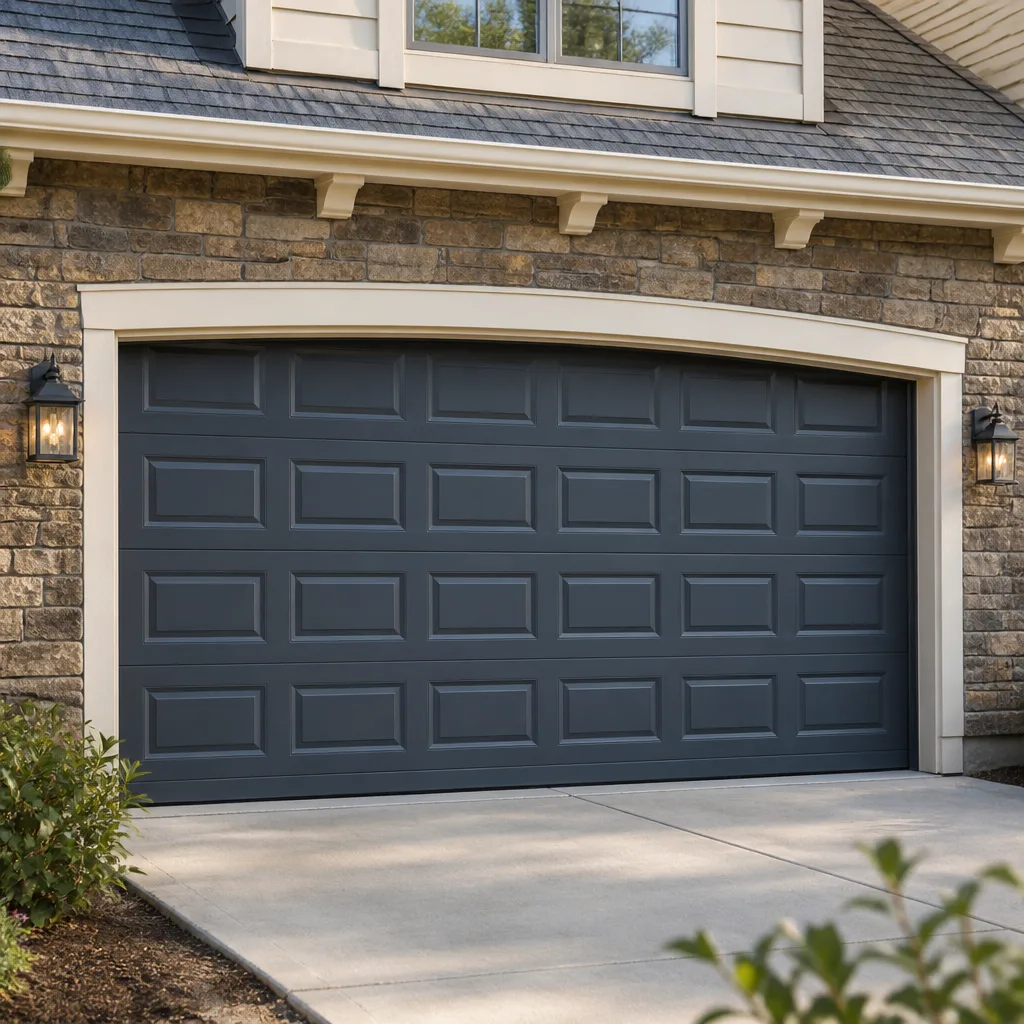 Raised-panel steel
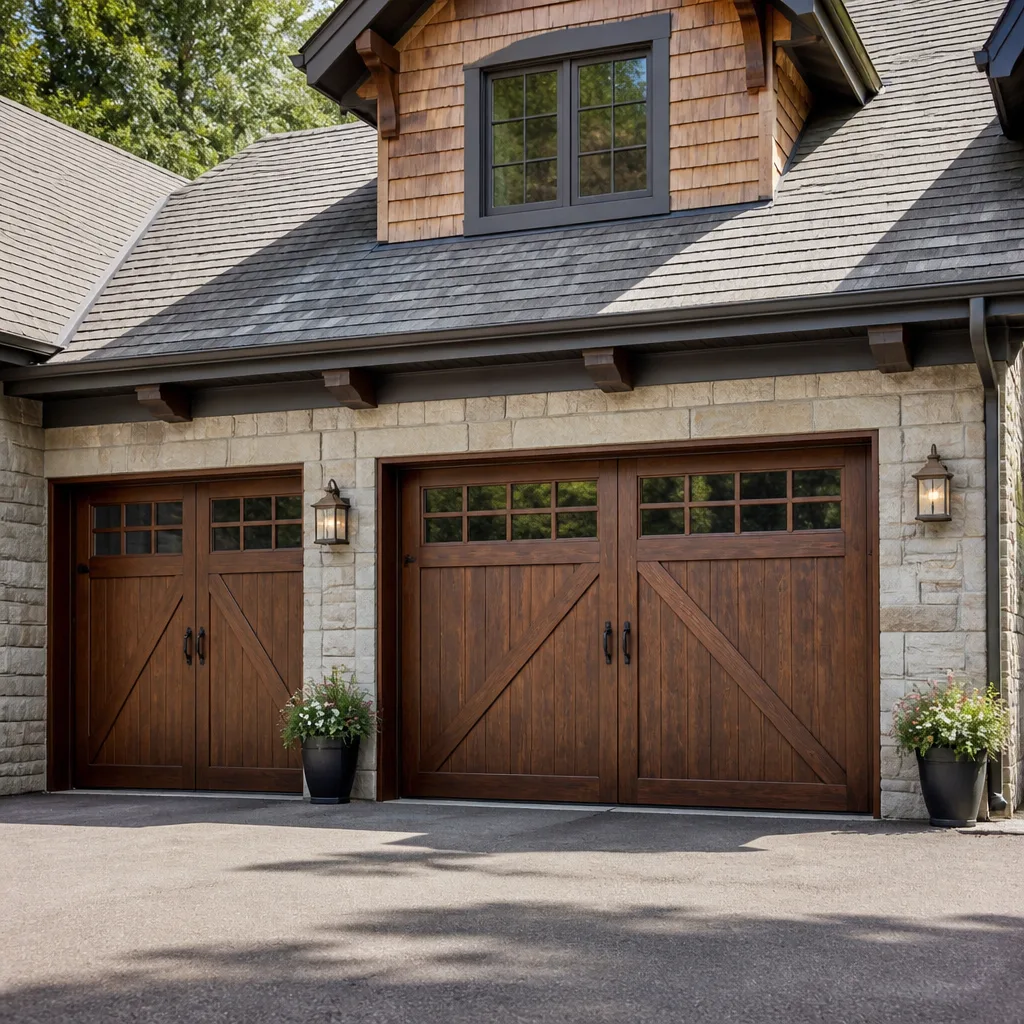 Carriage house
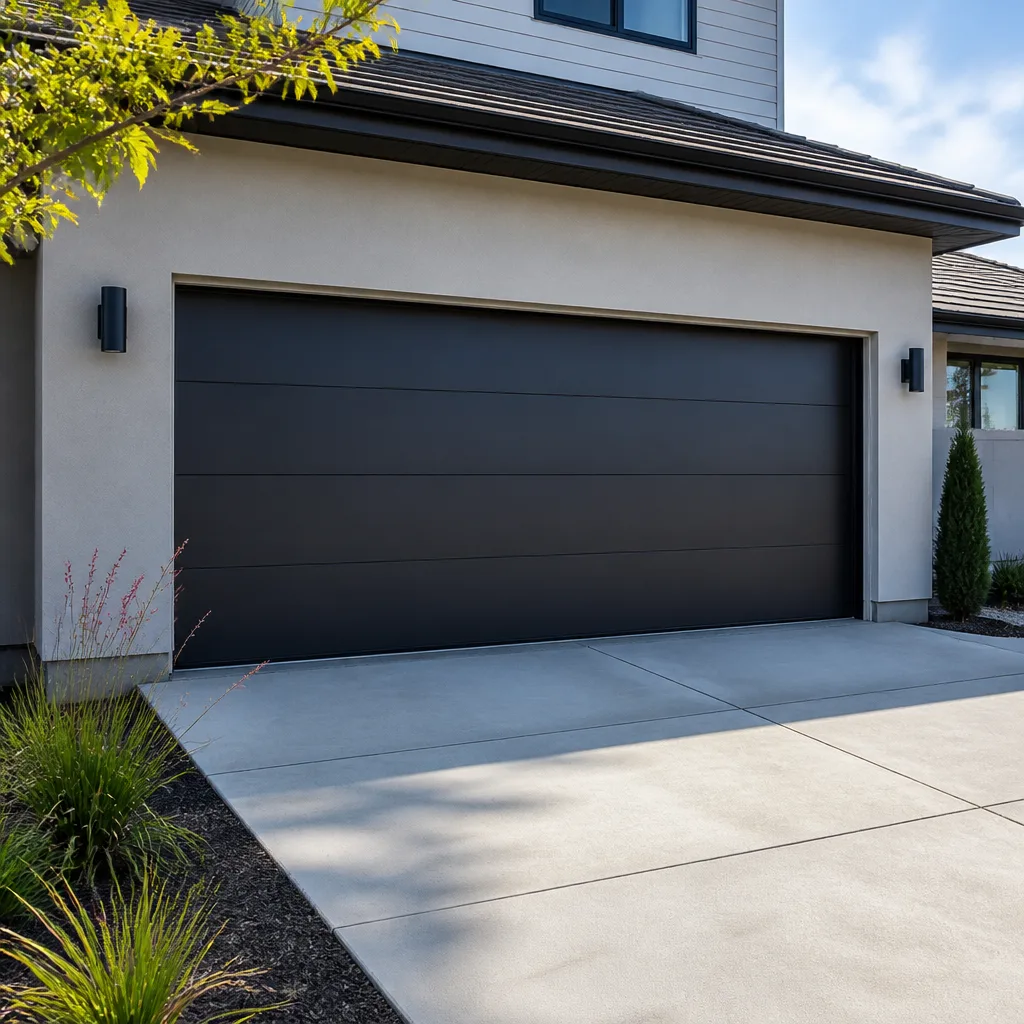 Modern flush
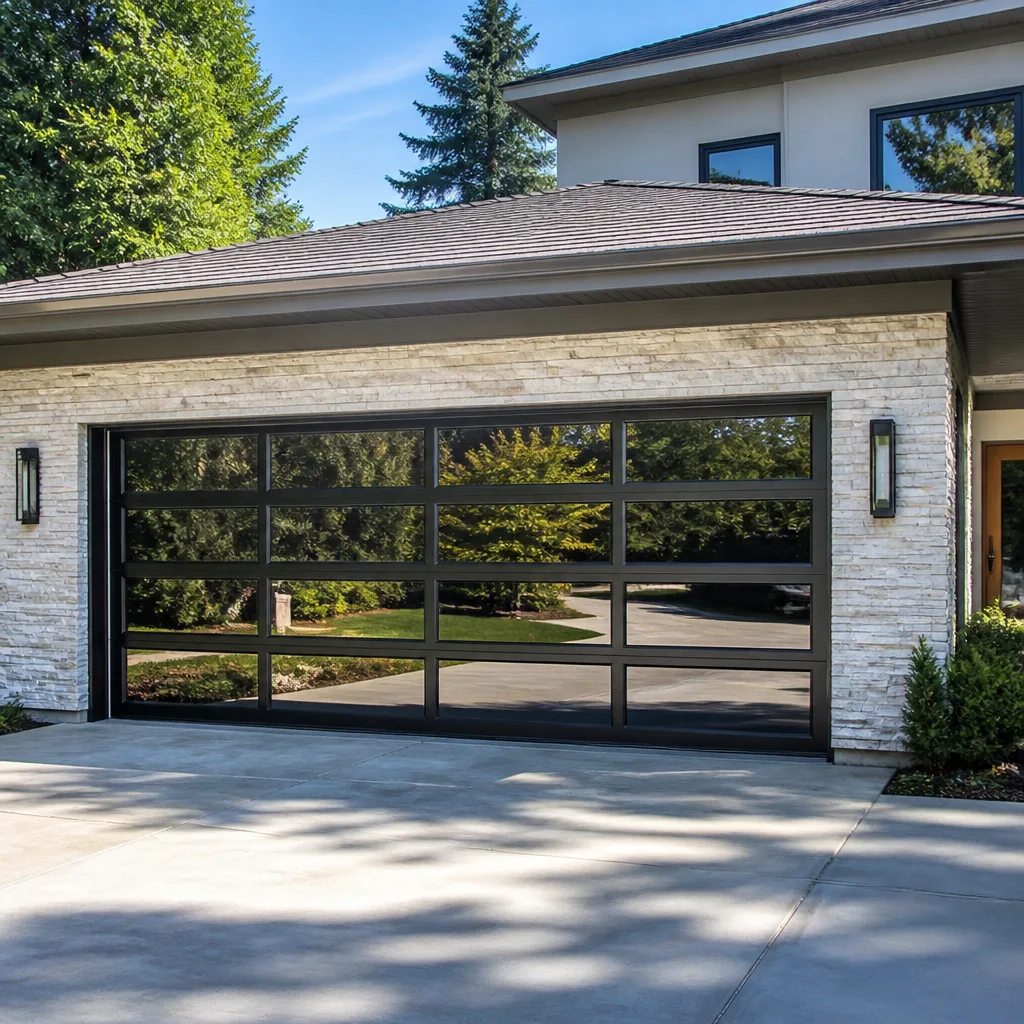 Full-view glass
 LiftMaster openers
 Chamberlain openers
Full 25-point door and opener safety check with every visit - springs, cables, rollers, tracks, and your LiftMaster or Chamberlain opener included
You get a price before we start. It does not change when the pro arrives.
Get your free estimateGarage Door Permits, Codes & Inspections in Oxford Circle, PA: What You Need to Know
Most Oxford Circle homeowners assume a garage door swap is paperwork-free. Usually it is. But the line between “swap” and “structural change” is thinner than most people think, and it’s where problems start at resale. If you sell your Oxford Circle home and the buyer’s inspector finds an unpermitted garage door opener on a circuit that doesn’t meet current code, you’re negotiating a credit, not celebrating a sale. That’s the part nobody warns you about. This guide walks through exactly when Philadelphia’s Department of Licenses and Inspections (L&I) wants a permit for garage door work, what “like-for-like” legally means, how older electrical panels in this part of Northeast Philly affect new opener installs, and what to get in writing before anyone touches your door. By the end you’ll know where the line sits and how to stay on the right side of it.
Quick Answer
In most cases, replacing a garage door or opener with the same size and type does not require a Philadelphia L&I permit, but structural changes to the opening or new electrical circuits for an opener usually do. The only way to know for certain on your specific Oxford Circle home is to call the city’s building department directly or have the contractor put the scope in writing before work begins.
Styles & brands we work with
- Raised-panel steel
- Carriage house
- Modern flush
- Full-view glass
- LiftMaster openers
- Chamberlain openers
Table of Contents
- When Does Philadelphia L&I Require a Permit for Garage Door Work?
- What “Like-for-Like Replacement” Actually Means
- Electrical Code and Older Panels in Oxford Circle Homes
- Historic District Adjacency and Door Style Approvals
- How to Protect Yourself When a Contractor Says “No Permit Needed”
- What an Inspection Actually Looks Like
- Permits and Your Home Sale in Oxford Circle
- Common Mistakes to Avoid
When Does Philadelphia L&I Require a Permit for Garage Door Work?
Philadelphia L&I draws a distinction between cosmetic replacement and structural alteration. Replacing a garage door panel, a set of springs, or an opener motor with an equivalent unit generally falls into the cosmetic category and does not require a permit. Altering the opening itself does. That means widening or heightening the frame, cutting into the header, adding a new door where none existed, or converting a garage into living space all trigger a permit. So does any electrical work that goes beyond swapping a plug-in opener into an existing dedicated outlet.
The confusion comes from the word “replacement.” A homeowner replacing a 16-foot single-car door with an identical 16-foot door is doing a replacement. A homeowner replacing a 9-foot door with a 16-foot double door is doing a structural alteration, even though it might feel like a simple upgrade in the moment. L&I cares about the frame, the header, and the load path. If those change, expect to file.
Here’s a rough framework for the most common jobs we see around Oxford Circle:
- Spring replacement: No permit. Purely mechanical repair.
- Opener replacement, plug-in, same outlet: Typically no permit. The opener plugs into existing wiring.
- New opener requiring a new dedicated circuit: Permit territory. That’s a new electrical run.
- Door panel or door replacement, same size and type: Typically exempt.
- Door size change, opening alteration, new opening: Permit required.
- Converting a garage to habitable space: Major permit and inspection sequence.
One caution. Building departments across the region can and do update how they interpret these categories. We always recommend confirming with L&I directly rather than relying on any written guide, including this one. L&I is the authority. If you’d like a professional opinion on your specific door before you call, get in touch for Garage Door Repair Oxford Circle and we’ll explain what the work involves.
What “Like-for-Like Replacement” Actually Means
Like-for-like means the new door matches the old door in size, material, weight class, and track configuration. That’s the definition that matters for permit purposes. The term gets stretched constantly, and the stretching is where homeowners end up exposed.
Some examples of jobs that get described as like-for-like but aren’t:
- Switching from extension springs to torsion springs. Different hardware, different mounting points, different load path. Some contractors call this an upgrade and file nothing. It often works fine, but it’s not like-for-like in the strict sense.
- Changing door material. Going from steel to wood, or from single-layer steel to insulated three-layer, changes weight significantly. A door that weighs 130 pounds and one that weighs 220 pounds need different spring systems, and the torsion bar or extension spring mounts may need reinforcement.
- Going from a manual door to an opener-equipped door. The opener install itself may not need a permit, but if the door was never designed to be operator-served (too heavy, wrong springs), it’s a different job with different code implications.
- Adding windows to a solid-panel door. This changes the door’s weight and balance. It also changes the model, which may affect whether the job counts as exempt replacement.
Spring tension is worth a moment here, because it’s the part of the system most likely to be undersized after a swap. A door that’s under-sprung runs the opener too hard and can fail open. A door that’s over-sprung is a hazard. Our technicians have up to 13 years of experience and this is the part of the job where we slow down. If you’re not sure whether your new door is properly matched to its spring system, that’s exactly the kind of question worth asking before the work starts.
When you get a written proposal for garage door repair, ask which specific items in the proposal change size, weight class, or track configuration versus which are straight substitutions. A good contractor can walk you through that line by line. If the answer comes back vague, that’s your signal to ask again in writing.
Electrical Code and Older Panels in Oxford Circle Homes
Garage door openers draw very little current. Modern units pull a few amps on a 120-volt circuit. Most panel capacity concerns come from the circuit itself, not the load. But Oxford Circle has a lot of mid-century rowhouses and twins where the garage circuit shares a breaker with a refrigerator, a utility light, or another convenience outlet. That’s where code tells you something needs to change.
If your new opener requires a dedicated circuit and your existing panel doesn’t have a spare slot, the electrician has to make room. That might mean a tandem breaker, a subpanel, or in some cases a service upgrade. None of those are cheap, and none of them are garage door work. They’re licensed electrical work. In Philadelphia, that means a licensed electrical contractor pulling an electrical permit. Separate from L&I’s building permit process, though L&I handles both.
What to check before you buy an opener:
- Look at the panel. Is there a specific breaker labelled for the garage door opener?
- Does the garage have a GFCI-protected outlet near the opener? Current code expects that in many applications.
- Is the outlet on a shared circuit with something heavy? If the breaker trips when the fridge cycles, that’s a sign.
- Does your panel have visible rust, scorch marks, or loose breakers? Those need attention before any new load goes on.
- What year was the panel last inspected? If you don’t know, it’s worth asking.
Smart openers with Wi-Fi, like the LiftMaster and Chamberlain myQ ecosystem or Genie’s Aladdin Connect, don’t add electrical demand, but they do need a reliably powered outlet. An opener that reboots because the shared circuit is loaded will disconnect from the app and won’t reconnect cleanly. We work on both smart-home ecosystems and older non-connected units, so we can tell you what your existing wiring will support before you commit to a specific model.
Electrical panels and wiring are genuinely dangerous to work inside. We don’t open panels. A licensed electrician does. That’s a safety line, not a business decision.
Historic District Adjacency and Door Style Approvals
Oxford Circle itself isn’t a designated historic district. But parts of Northeast Philadelphia sit close enough to historic inventories that door style can still become a conversation. When a garage door is visible from a public street and the block is in or near a historic overlay, the Historical Commission can have a say over the visual character of the replacement, even if you don’t need a formal certificate of appropriateness.
In practice, this affects style more than mechanics. If you’re replacing a door on a home where the surrounding streetscape has consistent door patterns, you may hear from L&I or the Historical Commission about matching the look. That might mean choosing a similar panel layout from a brand with broad style coverage. Clopay and Amarr both have deep residential style libraries, and we work with both, so if you’re asked to match a look you’re not locked into one option.
Ask two questions before ordering:
- Is the property in or adjacent to a historic overlay? Check with L&I or the Historical Commission before ordering the door.
- Does the block have a consistent door style? If the answer is yes, a matching profile makes the whole process easier.
If the answer to the first question is unclear, get it confirmed in writing from L&I. Not from the contractor. Not from us. From the city.
How to Protect Yourself When a Contractor Says “No Permit Needed”
Some jobs genuinely don’t need a permit. Others do, and the contractor who shrugs and says “don’t worry about it” is either right or setting you up for a problem three years from now. The way to tell the difference is to ask for specifics in writing before any work begins.
- Ask for the scope in writing. The proposal should state exactly what’s being removed, what’s being installed, and whether the size, weight class, or track configuration is changing.
- Ask which permit category the work falls into. If the contractor can’t tell you, ask them to say so in writing.
- Ask for a call-back contact for L&I. A professional contractor knows how to reach the department to verify. If they don’t, that’s information.
- Get the “no permit needed” statement in the estimate itself. Not in a text. Not on the phone. In the written estimate, above the signature line.
- Photograph the existing door and frame before work begins. If there’s ever a question about what was there, you have a record.
- Keep the proposal, the photographs, and the payment receipts together. If you sell the home, that file is worth keeping.
The written estimate is the price. That’s the standard we hold ourselves to, and it’s the standard you should hold any contractor to. If a job scope changes after the estimate is signed, the change order should be in writing too. Nobody should show up at the end with a bigger number.
If you want a second opinion on what your job involves, get in touch for a free estimate on garage door opener repair. Our technicians have up to 13 years of experience with LiftMaster, Chamberlain, Genie, Wayne Dalton, Raynor, and the other major brands, and we’ll tell you plainly what’s involved before any work starts.
What an Inspection Actually Looks Like
When a permit is required, an inspection follows the work. The inspector isn’t there to grade your taste in doors. They’re checking structural soundness, code compliance, and safety. Here’s what typically gets looked at on a garage door job:
- Header and framing. Did the opening get properly framed and supported? Is the load path intact?
- Spring system. Are the springs correctly sized to the door? Is the hardware securely mounted?
- Safety features. Does the opener have an operable photo-eye reversal system? Does the door reverse on contact?
- Electrical. Is the opener on a properly dedicated circuit if a new one was pulled? Is the outlet GFCI-protected where required?
- Clearances. Track spacing, door travel, and headroom.
None of this is exotic. A well-executed job passes. Problems come up when a contractor cuts a corner to save an hour, like skipping the required photo eyes on an opener install, or hanging a new door on old, undersized track.
The inspection itself is usually straightforward. Someone from L&I comes out, checks the items above, and either signs off or leaves a correction notice. If a correction is needed, the contractor should return and correct it as part of the job. That’s why getting the permit pulled by the contractor, not the homeowner, is usually the cleaner path. It puts the follow-up on the person doing the work.
We don’t pull permits ourselves, because the licensed work is done by the local professionals we connect you with. What we do is tell you clearly what the job involves so that you know what to expect and what to ask.
Permits and Your Home Sale in Oxford Circle
Philadelphia has a lot of older housing stock, and Oxford Circle is no exception. Mid-century rowhouses and twins with original or semi-original garage doors are common. Many have openers that were installed decades ago, sometimes on wiring that predates modern code. When a home goes on the market, that history surfaces.
What a buyer’s inspector typically looks at on a garage:
- Does the opener reverse on contact with an obstruction?
- Are the photo eyes present and working?
- Is the door balanced? Does it hold in a half-open position?
- Is there evidence of water intrusion, rot, or damage at the frame?
- Is the opener circuit properly dedicated, or is it sharing a breaker?
- Is there any evidence of unpermitted structural work at the opening?
Any one item on that list can turn into a negotiation. The photo-eye and reversal checks are the most common findings because older openers often have failing sensors. Neither is a crisis to fix, but both will show up in the report, and the buyer will ask for something. Permitted work tends to defuse that conversation.
If you’re planning to sell, this is a good time to think about a full garage door installation. A new door and a new opener with current safety features eliminates most of the inspection findings at once, and it’s a lot easier to address on your timeline than under contract pressure with a buyer holding a credit request.
Common Mistakes to Avoid
- Assuming all replacements are permit-exempt. Like-for-like usually is. Size changes and structural alterations usually aren’t. The word “replacement” gets used for both, and the homeowner ends up exposed.
- Skipping the permit to save time and money. An unpermitted alteration may come back at resale, at refinancing, or after a problem surfaces. In Oxford Circle’s older housing stock, inspectors are trained to look for evidence of recent work at the opening.
- Letting a contractor talk you out of a permit without putting it in writing. A verbal “you’re fine” is worth nothing in a negotiation three years later. Get the statement in the estimate.
- Installing a new opener on a shared circuit. The opener will work, but it’ll reboot when the circuit loads, and a smart opener that can’t stay connected won’t do what you paid for.
- Ordering a door before confirming historic overlay status. If the block has visual consistency, ordering first and asking later can mean paying for a door you can’t install.
- Skipping the photo-eye check during replacement. Safety reversal isn’t optional in current code. A new opener install without working photo eyes will fail inspection and shouldn’t leave the shop in the first place.
- Paying more than the written estimate. If the estimate said one price and the invoice says another without a written change order in between, that’s the contractor’s problem to explain.
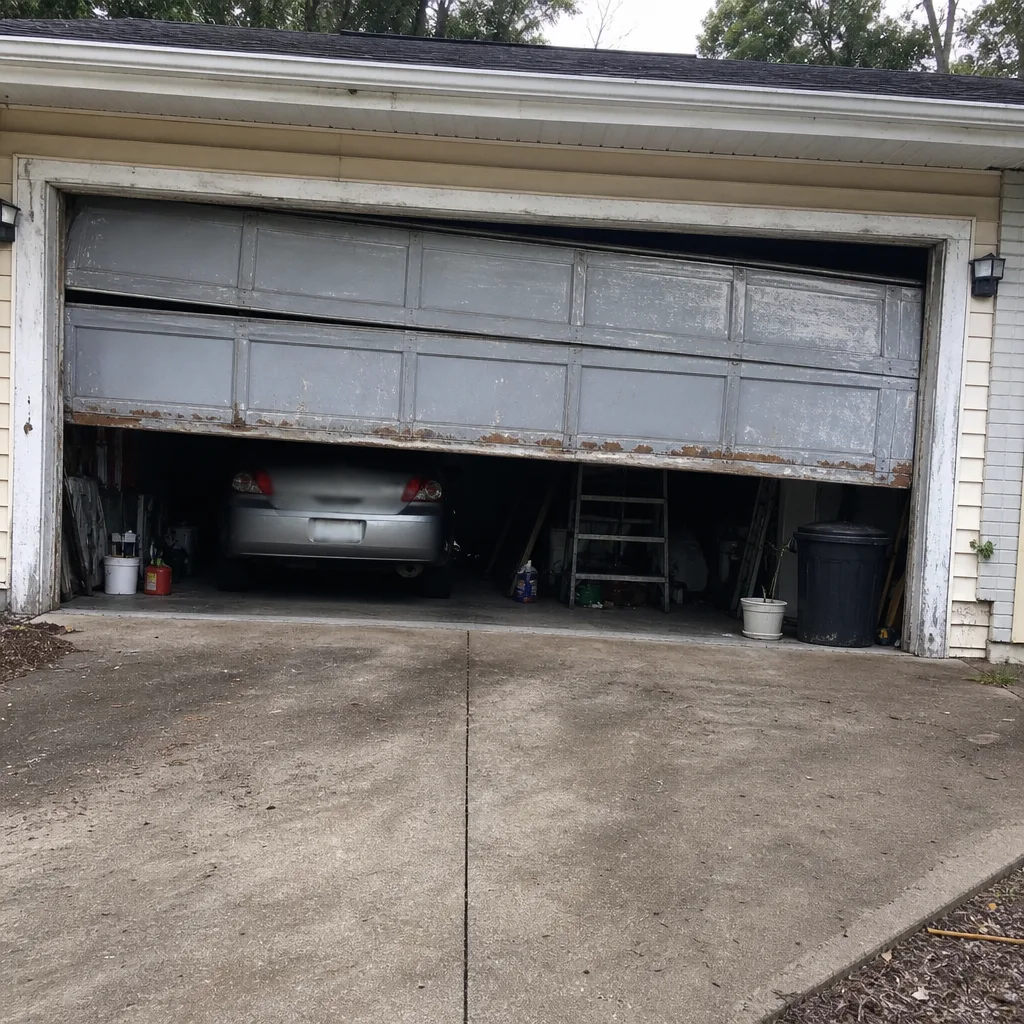
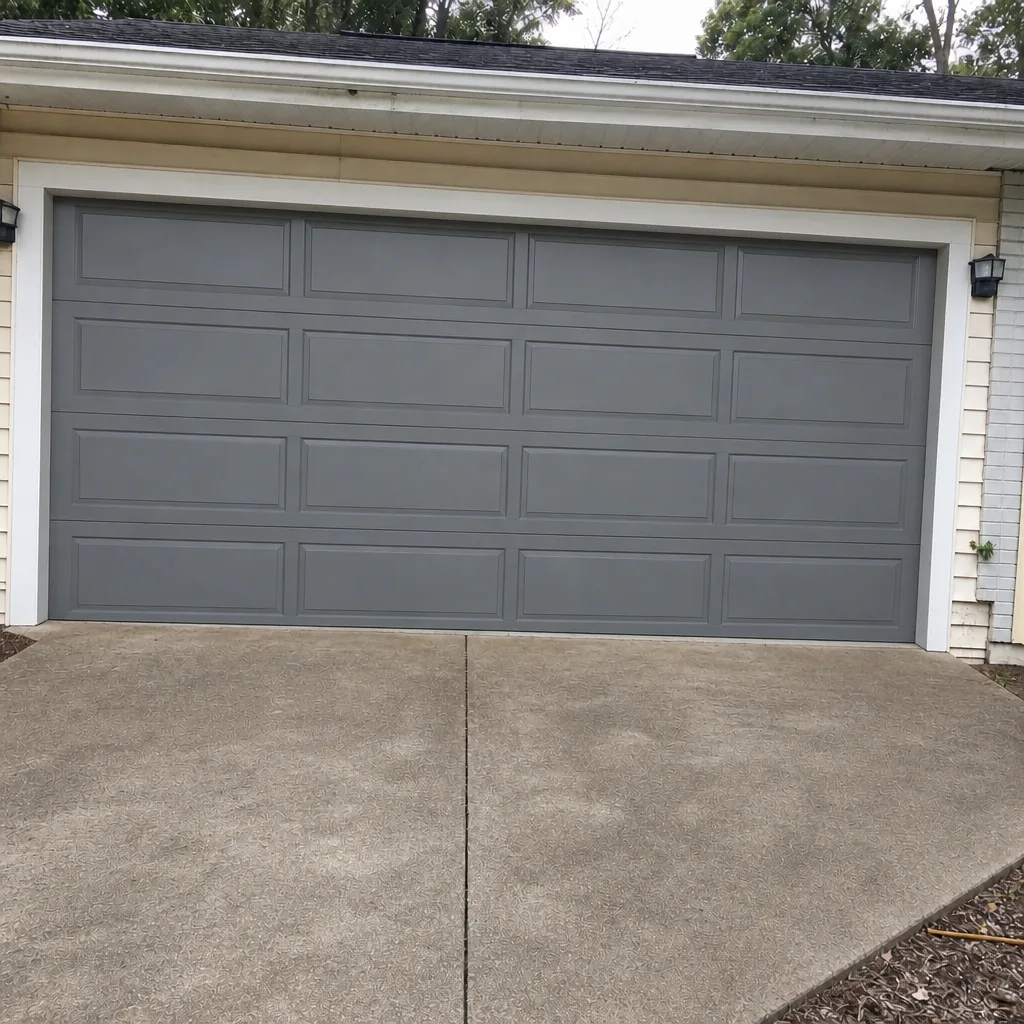
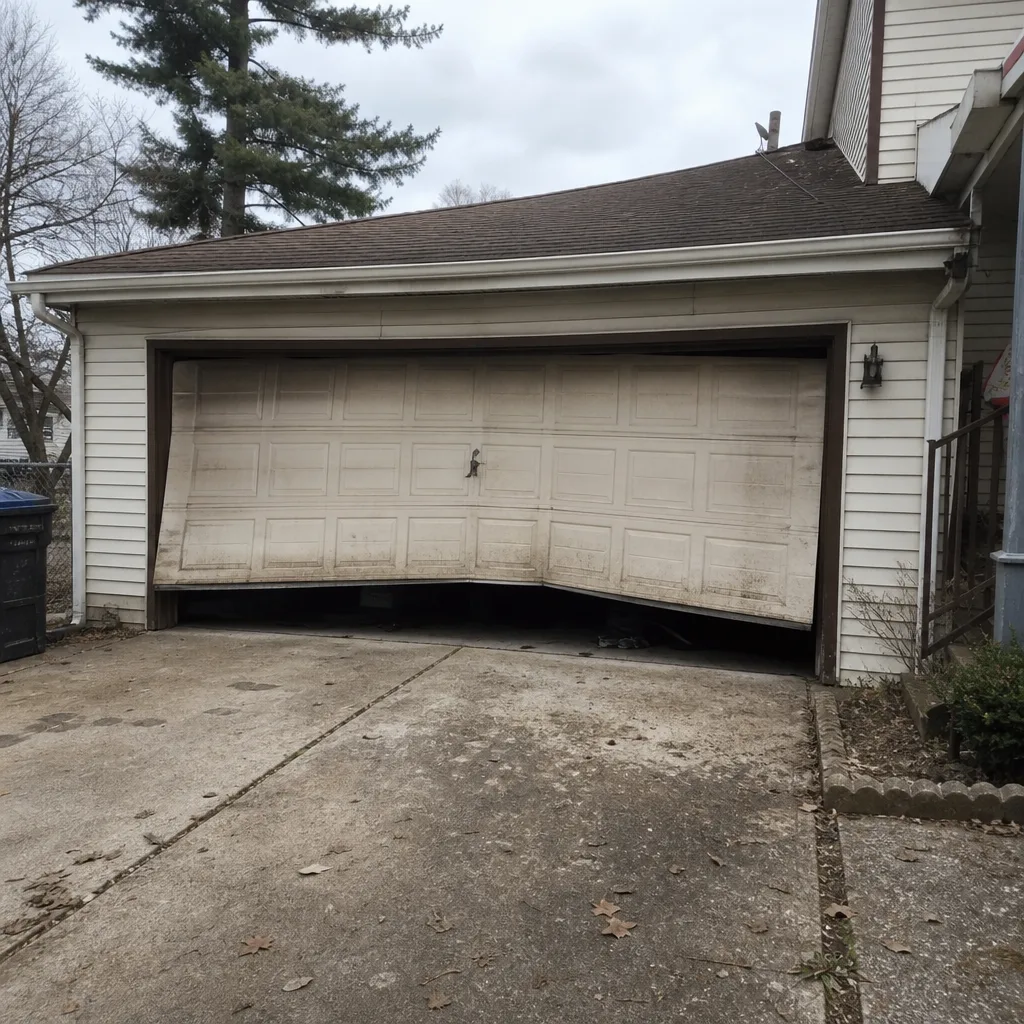
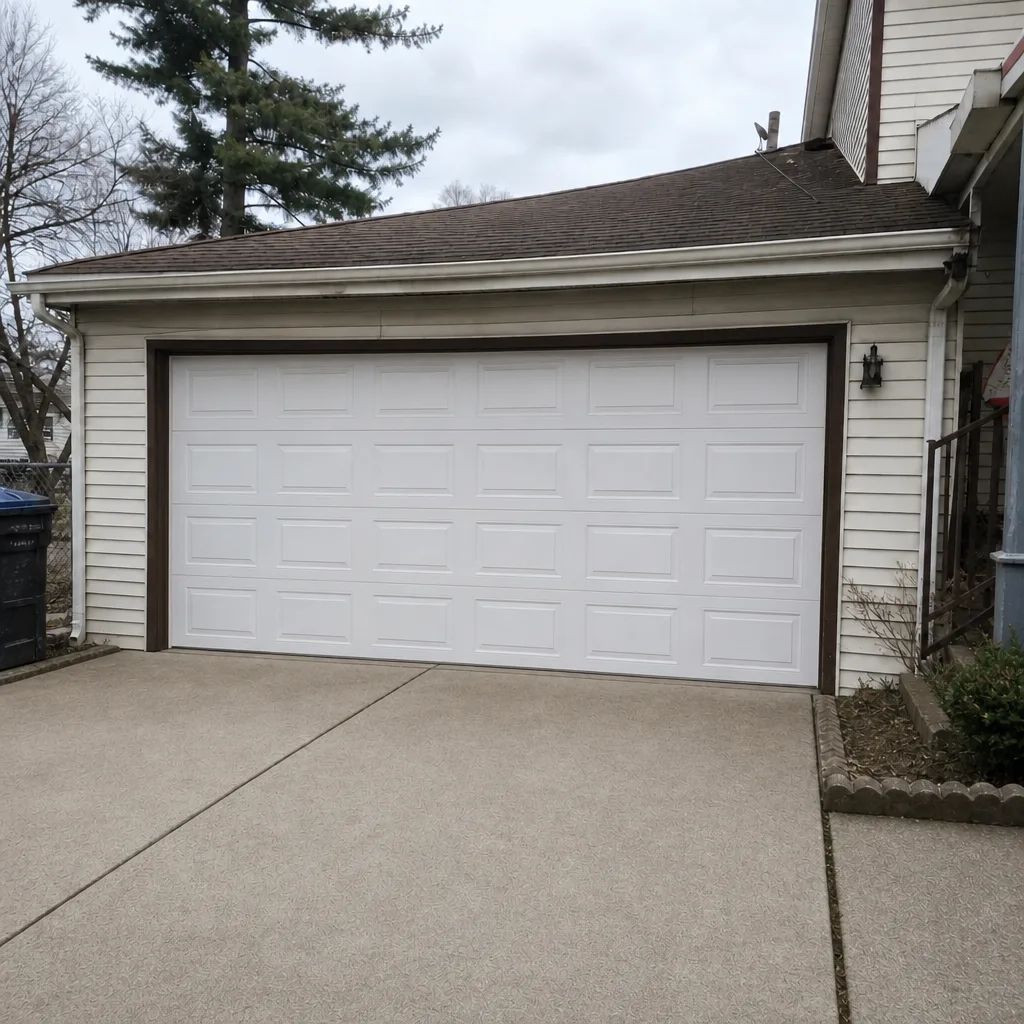
See the difference
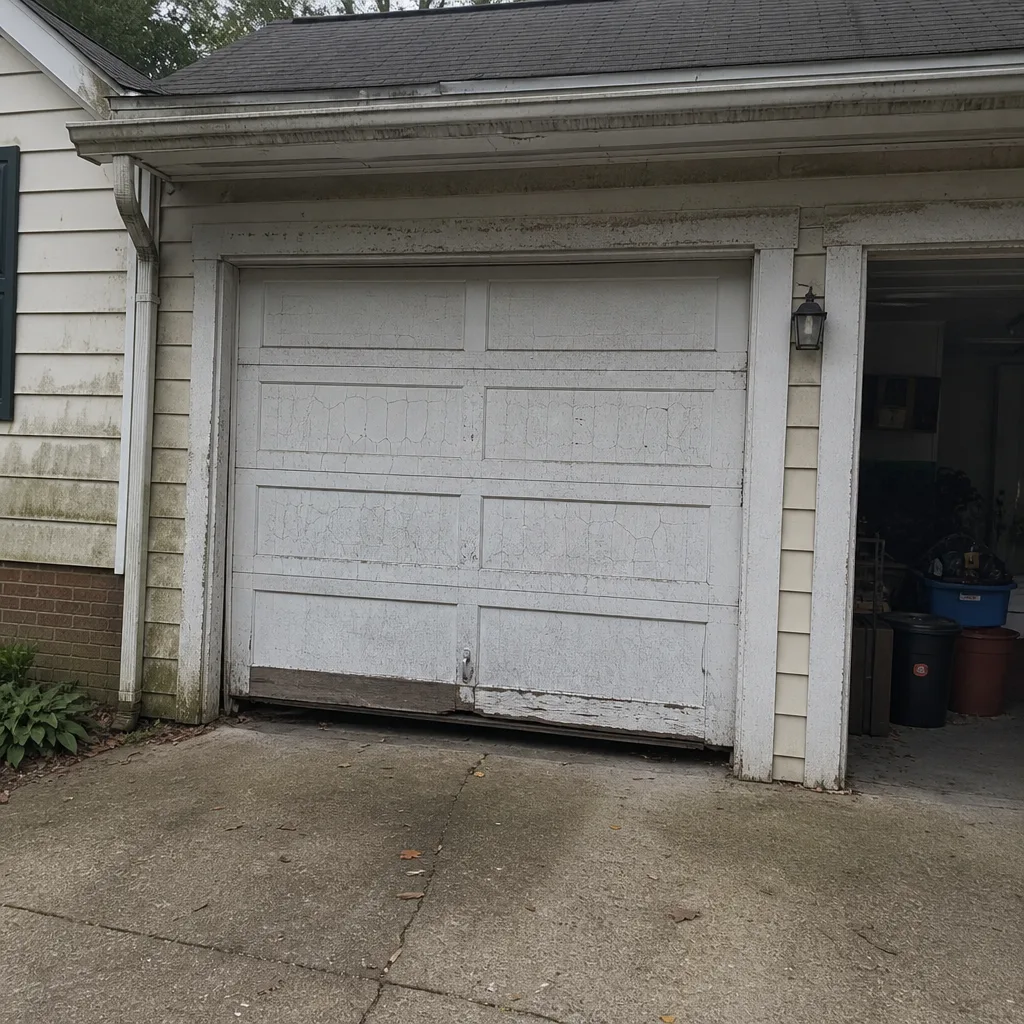 Before
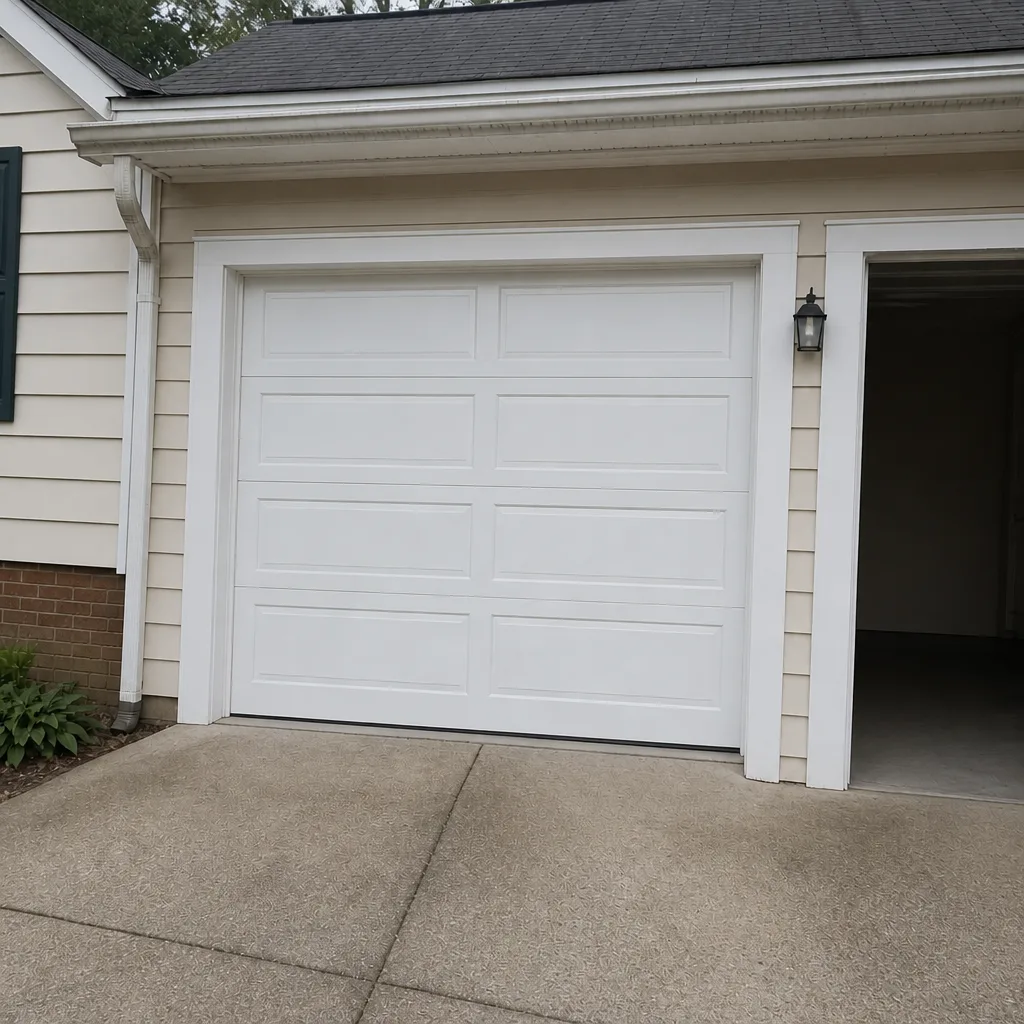 After
 Before
 After
 Before
 After
When to Call a Professional
Some garage door work genuinely belongs to the homeowner. Swapping a remote battery or reconnecting a trolley doesn’t need a service call. Other jobs don’t. Torsion and extension spring work is the most dangerous part of the system, and we don’t recommend homeowners attempt it. The spring is under high tension, the tension is stored energy, and a mishandled spring can cause serious injury. Same for anything involving the electrical panel. Same for cutting into the door opening. If your job involves any of those, or if you’re not sure whether it does, call a professional.
Garage Door Repair Oxford Circle offers free estimates in Oxford Circle. Call (855) 658-4215 to talk through what your door needs and what the permit picture looks like for your specific job. Estimates are free, the price is quoted before work starts, and the written estimate sets the final number.
Frequently Asked Questions
Usually not, if the replacement is truly like-for-like in size, material, weight class, and track configuration. A permit is typically required when the opening is altered, when the door size changes, or when new electrical work is involved. The safe answer is always to confirm with Philadelphia L&I directly before ordering a door. Call (855) 658-4215 and we can walk through what the work involves so you know what to ask the city.
It depends on whether the install requires a new dedicated circuit. A plug-in replacement on an existing dedicated outlet usually doesn’t trigger a permit. Pulling a new circuit from the panel does, and that’s licensed electrical work done by an electrical contractor. If your old panel is full or the garage is on a shared circuit, expect the electrical question to come up. Call (855) 658-4215 for a free estimate on the opener side.
It means the new door matches the old one in size, material, weight class, and track configuration. Switching from extension springs to torsion springs, changing door material, or adding windows are all examples of changes that technicians sometimes describe as like-for-like but aren’t. If the proposal doesn’t spell out exactly what’s changing, ask. Call (855) 658-4215 and we’ll help you read it.
Yes. Some jobs are exempt and some aren’t, and the contractor’s verbal reassurance is worth nothing if the work actually required a permit and none was pulled. The protection is a written statement in the estimate, plus a direct call to L&I to confirm. Call (855) 658-4215 for a free estimate and we’ll put the scope in writing before any work begins.
It affects style, not mechanics. If your block is in or near a historic overlay visible from the street, the Historical Commission may weigh in on the visual character of the replacement even without a formal certificate of appropriateness. Checking status before ordering is the practical move. The brands we work with (Clopay, Amarr, Wayne Dalton, Raynor) offer enough profile variety to match most style expectations. Call (855) 658-4215 for a free estimate.
That’s common in Oxford Circle’s mid-century housing and it’s the scenario most likely to create liability at resale. A home sale inspection that finds an unpermitted opener on undersized or shared wiring turns into a negotiation credit. The fix is a dedicated circuit pulled by a licensed electrical contractor, permitted and inspected. Call (855) 658-4215 and we’ll tell you what we can and can’t do with the existing wiring so you can plan the rest.
The Bottom Line
Garage door permits in Oxford Circle come down to one question: is the job a true replacement or a structural change? Replacing a door or opener with the same size and type usually doesn’t need a permit. Changing the opening, changing the door size, or pulling new electrical does. The areas where homeowners get hurt are the stretch cases: switching spring types and calling it like-for-like, or installing a new opener on a panel that can’t safely carry a new circuit. Protect yourself by getting the scope in writing, by asking L&I directly, and by treating any “no permit needed” claim as something that belongs in the estimate, not a verbal afterthought. If the job involves springs, electrical, or the opening itself, call a professional. If you’re unsure which category your job falls into, that’s what a free estimate is for.
When you’re ready to talk through your door, call (855) 658-4215 for a free estimate. We’ll walk through what your specific job needs, what permits may apply, and give you a written price before any work starts.
Written by the team at Garage Door Repair Oxford Circle.