Last updated November 21, 2026
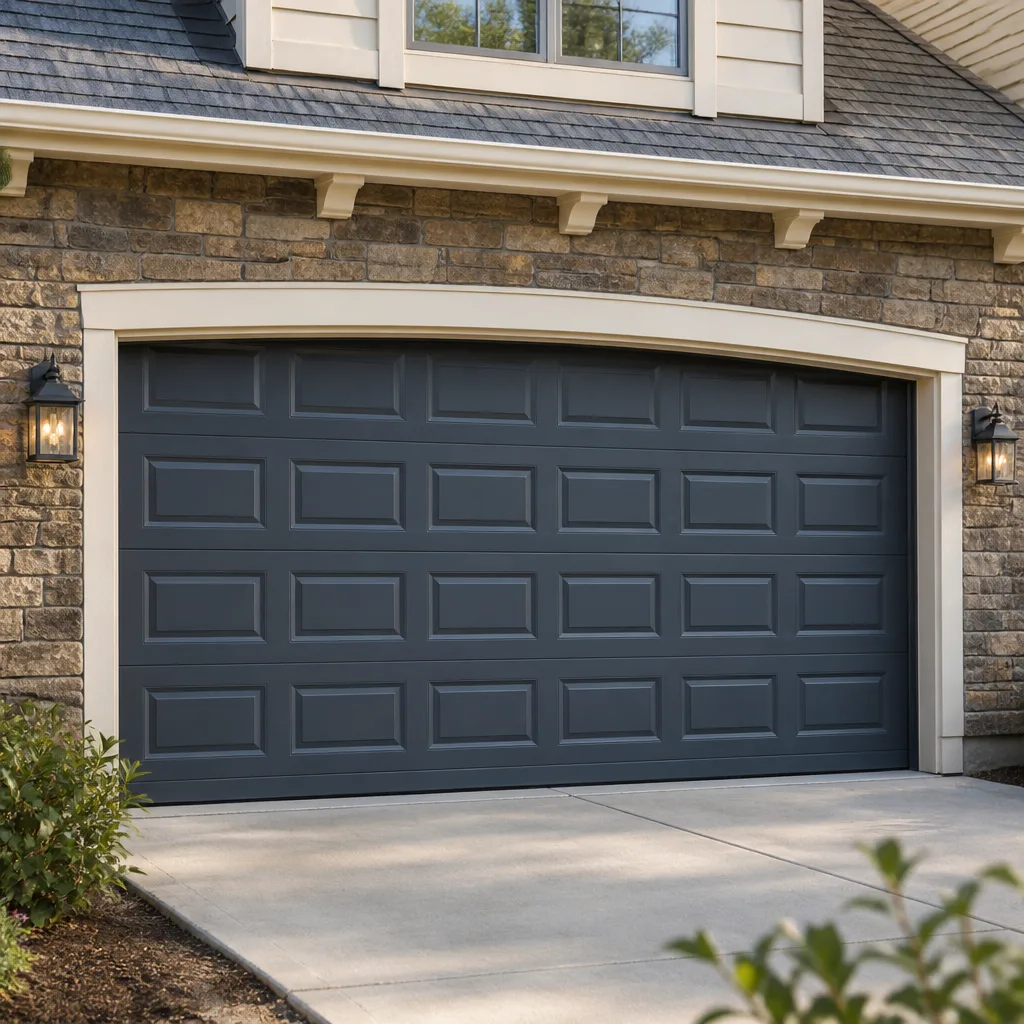 Raised-panel steel
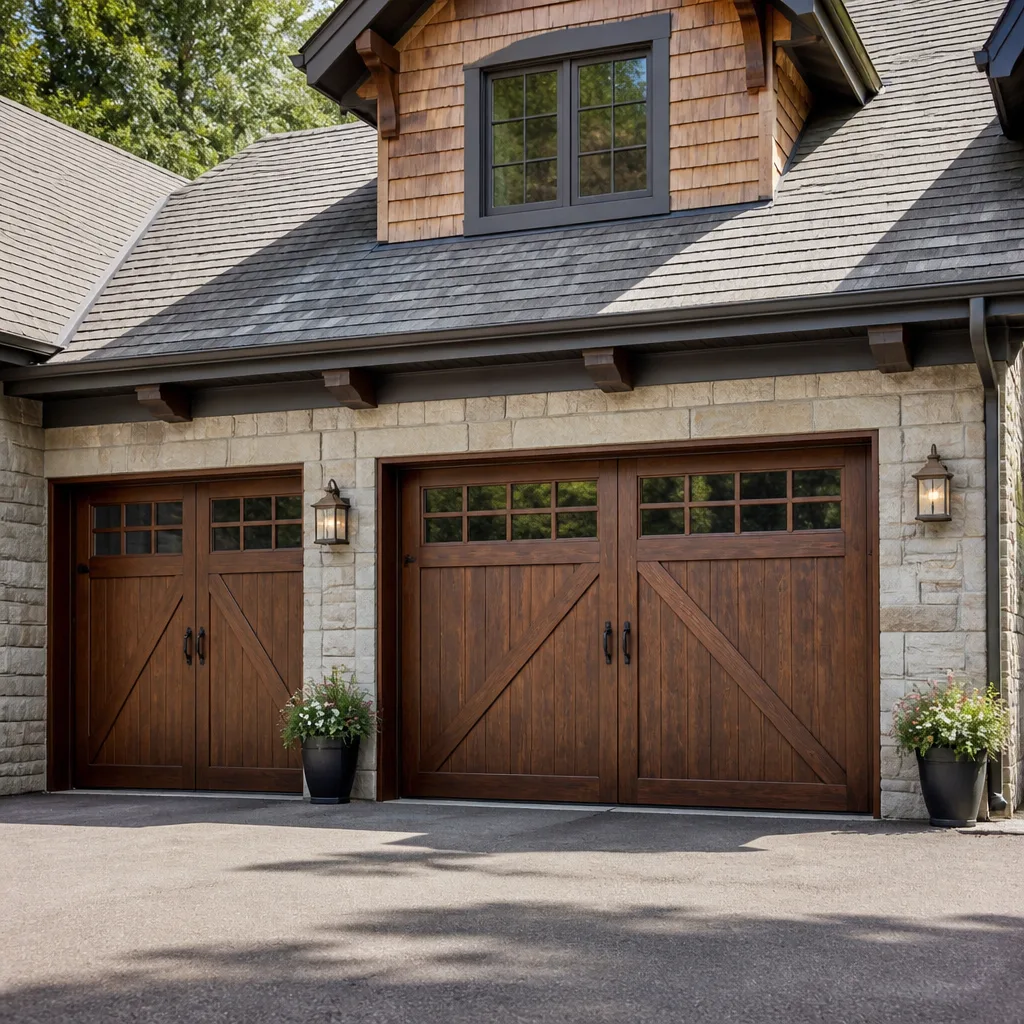 Carriage house
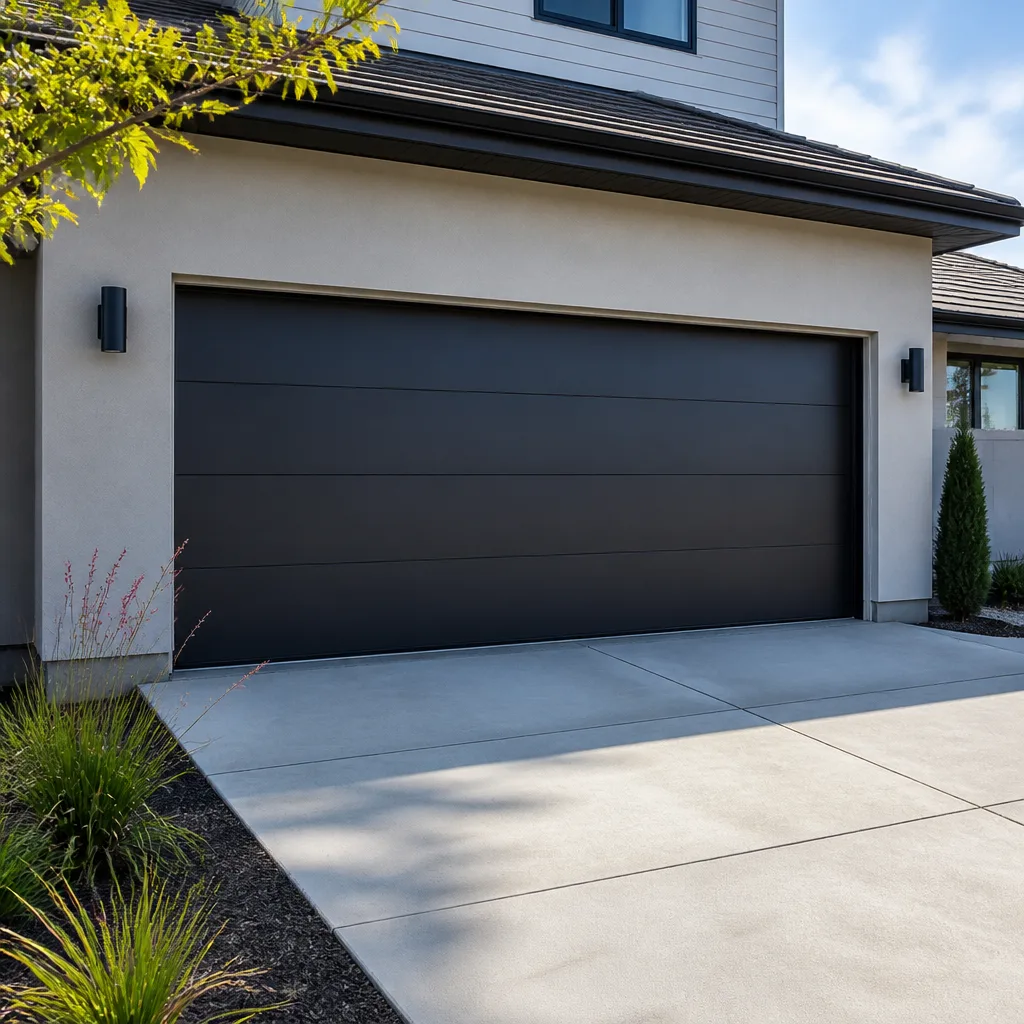 Modern flush
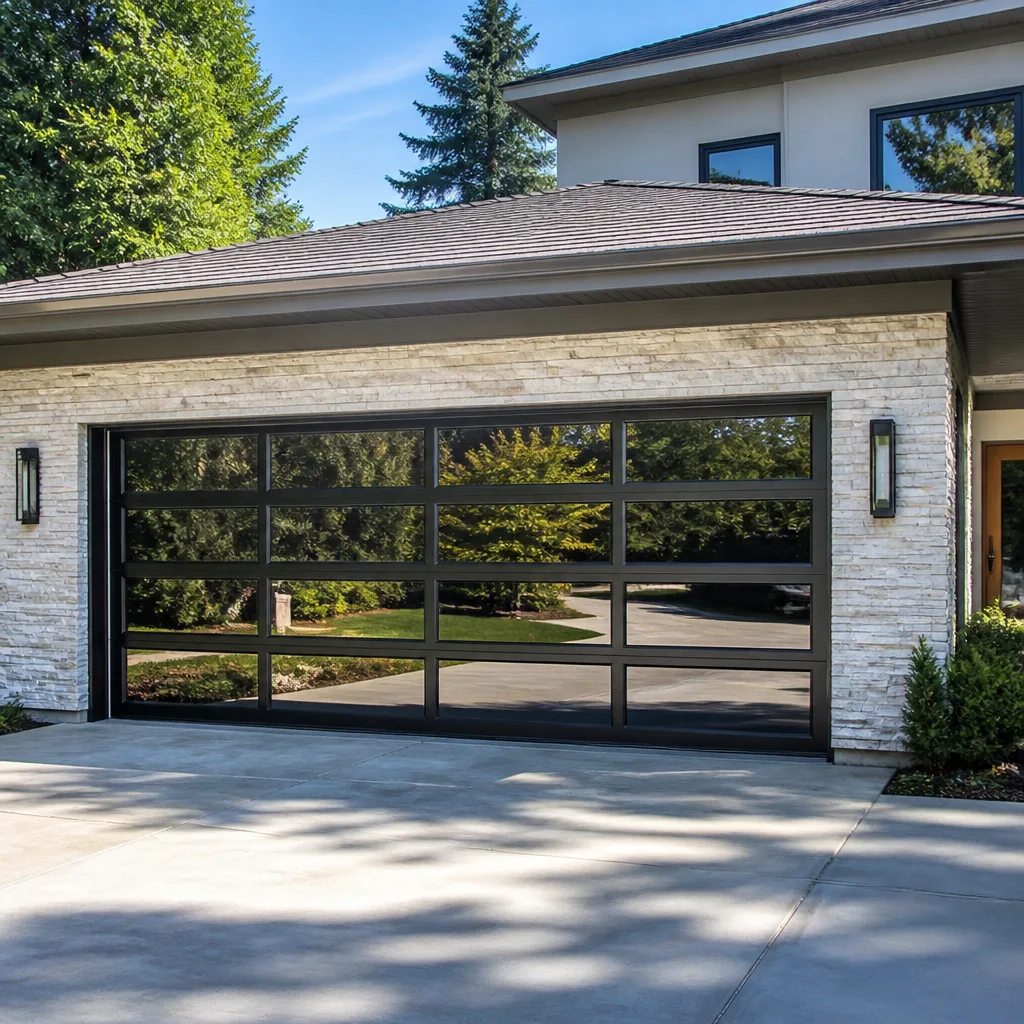 Full-view glass
 LiftMaster openers
 Chamberlain openers
Full 25-point door and opener safety check with every visit - springs, cables, rollers, tracks, and your LiftMaster or Chamberlain opener included
You get a price before we start. It does not change when the pro arrives.
Get your free estimateGarage Door Cost Breakdown: The Oxford Circle Homeowner’s Reference for 2026
Two quotes for the same spring replacement can land $400 apart, and the gap usually has nothing to do with one contractor padding the bill. Most of the time, they simply aren’t quoting the same job: one includes a matched pair, one doesn’t; one hauls the old hardware away, one leaves it in your driveway; one sends a helper, one doesn’t. The same confusion runs through opener repairs, panel swaps and full installs across Oxford Circle, where rowhouse garages and detached garages sit a few blocks apart and rarely share the same layout. This guide won’t hand you a single magic number. It gives you a cost model, line by line, so you can read any quote and know what’s driving it.
Quick Answer
Garage door repairs in Oxford Circle typically run $150 to $450 for common jobs like a spring replacement, cable or roller swap, or opener fix, while a full door replacement usually falls between $1,200 and $3,500 depending on material, insulation and size. Labor, parts markup and emergency fees move the final number more than the hardware does. The written estimate you agree to before any work starts is the price you pay.
Styles & brands we work with
- Raised-panel steel
- Carriage house
- Modern flush
- Full-view glass
- LiftMaster openers
- Chamberlain openers
Table of Contents
- What actually drives a garage door quote in Oxford Circle?
- Line-item breakdown: where your money goes
- How emergency and after-hours pricing works
- Repair or replace? The total cost of ownership
- Hidden costs that inflate quotes after arrival
- What 2026 material costs mean for steel, insulated and wood composite doors
- Opener repair costs and brand differences
- Common mistakes to avoid
What actually drives a garage door quote in Oxford Circle?
A garage door quote is built from four moving parts: the hardware, the labor to install it, the markup the company applies to parts, and any trip or urgency fees. Understanding how each one behaves in the Philadelphia market explains almost every quote gap you’ll see.
Labor is the biggest swing factor. Philadelphia-area labor rates for garage door work sit higher than in surrounding suburbs because of overhead, insurance and the general cost of doing business inside the city. A technician’s hour in Oxford Circle costs more to deliver than the same hour twenty miles out, and that difference shows up in every quote. Parts markup runs a wide spread too. Some companies pass parts through close to cost and build profit into labor; others do the reverse. Neither approach is wrong, but it makes side-by-side comparisons of a single bottom-line number close to meaningless.
Here’s how to read a quote correctly:
- Ask whether the price covers one spring or a matched pair. A pair typically runs about twice the single-spring rate because both get replaced together.
- Ask whether labor is included or billed hourly on top of parts.
- Ask what happens if the technician finds a second worn part once the door is open.
- Confirm whether disposal of the old hardware is inside the number.
- Get the total in writing before anyone touches the door.
We work on the major brands homeowners actually have, including LiftMaster, Chamberlain, Genie, Clopay, Amarr, Wayne Dalton, Craftsman and Raynor, so when we quote a job in Oxford Circle we’re pricing against known part costs rather than guessing. Our technicians have up to 13 years of experience, and that familiarity is what turns a vague range into a firm number. If you want to understand the repair side in depth first, our Garage Door Repair Oxford Circle page walks through what a typical visit involves.
Line-item breakdown: where your money goes
Common garage door repairs in Oxford Circle break down into predictable line items: parts, labor, disposal and any trip fee. Seeing them separated is the fastest way to spot a quote that’s hiding cost in one column and calling it something else.
Below are typical estimated ranges for the most frequent jobs. Treat them as guidance, not a promise; the written estimate sets the final price.
| Job | Typical Estimated Range | What’s Included |
|---|---|---|
| Torsion spring replacement (one spring) | $180 to $340 | Spring, labor, safety check |
| Torsion spring pair | About twice the single-spring rate | Matched pair, labor, rebalance |
| Extension spring replacement (pair) | $150 to $300 | Springs, cables, labor |
| Cable replacement | $120 to $260 | Cable, drum check, labor |
| Roller replacement (set) | $100 to $220 | Nylon or steel rollers, labor |
| Opener repair (board, motor or gear) | $150 to $400 | Diagnostic, common part, labor |
| Panel replacement (single section) | $250 to $600 | Panel, color match attempt, labor |
| Full door replacement | $1,200 to $3,500 | Door, track, hardware, haul-away, labor |
Parts and labor are the obvious two. The third is markup, and it’s where the spread widens in Philadelphia. A spring that costs a company forty dollars at wholesale can appear on your invoice labeled anywhere from a modest pass-through to a significant line item, and both practices are common. Disposal is the fourth: old doors and hardware have to go somewhere, and some companies charge a separate fee for it. Fifth is a trip or diagnostic fee, which some companies waive when you proceed and others don’t.
When you can see the parts cost, the labor cost and the extras as separate lines, you’re comparing apples to apples. When a quote arrives as one flat number, ask for it broken out. A company confident in its pricing will do that without hesitation.
How emergency and after-hours pricing works
An emergency rate in the Oxford Circle service area typically adds a premium of 25% to 50% on top of standard labor, or a flat emergency call-out fee in the $75 to $150 range. What “emergency rate” actually means per hour is best understood as a surcharge for urgency, not a different quality of work.
A broken spring on a Monday morning and a broken spring at a time that forces the crew to work outside its usual window aren’t the same job to schedule, and the price reflects that. Here’s what the emergency premium usually covers:
- Trip urgency: rearranging a schedule to get someone out when a door failure traps a car or leaves the house open.
- Compressed diagnostic time: the technician still has to identify the failure correctly, but with less slack in the day.
- Parts availability: common parts in an emergency window may cost more to source than a part ordered with the repair.
- Out-of-hours labor: the crew working outside the standard appointment schedule earns a premium for it.
What the emergency rate should never be is a blank check. If a door can’t wait for a next-week appointment window, that’s exactly the situation our emergency service exists for, but the price is still quoted and agreed before work starts. Ask the technician to state the emergency portion separately from the parts and standard labor so you can see what you’re paying for the urgency itself.
On the repair side, knowing whether the failure is urgent helps you plan. A snapped spring or a door that won’t move at all is an emergency. A noisy roller or a slow opener is a scheduled job. Our garage door repair team can tell you which one you’re looking at over the phone, which often saves a surcharge you didn’t need.
Repair or replace? The total cost of ownership
At some point, repeated repairs cost more than a new door. The crossover usually sits around a door that has had spring, panel and opener failures within a short span, or a door old enough that parts are custom-ordered. Below that line, repair almost always wins.
Total cost of ownership is the right lens here, not the price of a single job. A repair that fixes a spring for a few hundred dollars can extend the life of a sound door for years. A repair on a door that’s already warped, dented or bowing buys far less. Consider what you’re getting for the money:
- Sound door, one mechanical failure: repair is nearly always cheaper. A spring or opener fix keeps a good door in service.
- Dented or damaged panels, otherwise solid structure: panel replacement can be less expensive than a full door, provided the panel matches.
- Warped or bowing door with repeated failures: replacement starts to make sense because each repair is a stopgap on a door near the end of its life.
- Old door with hard-to-source parts: custom-ordered parts eat the savings of repair.
- Upgrade motivation (insulation or a quieter door): that’s a replacement decision, not a repair one, and worth pricing honestly as such.
- List what’s actually wrong: springs, cables, panels, opener, tracks.
- Total the estimated repair cost across all of it.
- Compare that total to the estimated replacement cost for a comparable door.
- If repairs approach a meaningful share of replacement and the door is already showing age, price a new one before committing.
- If repairs are a fraction of replacement and the structure is sound, repair.
For an honest comparison in Oxford Circle, a free measure and written price on a new door gives you a real number to weigh against the repair. Our garage door installation page explains what a replacement job involves from measure to install.
Hidden costs that inflate quotes after arrival
The number that changes after the technician arrives is usually a line item the original quote left out: disposal, a second worn part, or an upgrade offered on the spot. None of these are inherently unfair, but each should be priced and agreed before it’s done, never simply added to the invoice.
Watch for these in particular:
- Disposal fees: hauling away an old door or a pile of worn hardware costs something. It should appear in the quote, not appear as an extra.
- Additional parts discovered on site: a worn cable behind a broken spring is a genuine find, but the technician should stop and quote it, not finish the job and bill you.
- “While we’re here” upgrades: a smoother roller set or a new opener offered mid-repair is a sales pitch, not a discovery. You’re allowed to decline and defer.
- Re-stocking or re-scheduling fees: if a door is wrong-sized and a new one has to be ordered, understand the terms before the first appointment.
- Diagnostic fees that don’t get credited: confirm up front whether a diagnostic fee comes off the final bill when you go ahead.
Our rule is simple: the price is quoted and agreed before any work starts, and if the job changes once the door is open, you get a revised quote and a yes first. If a company won’t put the total in writing before it starts, that’s your cue to get a second quote.
What 2026 material costs mean for steel, insulated and wood composite doors
In 2026, a standard steel door remains the lowest-cost replacement choice in Oxford Circle, insulated steel and composite doors sit in the middle, and wood composite or custom designs land at the top. Material choice moves the total more than any other single decision.
Here’s how the main options compare for a typical single-car or two-car garage:
- Non-insulated steel: the entry point. Light, durable, easy to match, and the sensible pick when the garage is just parking and storage.
- Insulated steel: a step up in price, with a foam core that quiets the door and moderates temperature. Worth it when the garage is used as workspace or shares a wall with living space.
- Wood composite: the premium option. Warmer look, higher price, and more attention needed to maintain it against moisture and seasonal movement.
Philadelphia’s climate matters here. Our summers are humid and our winters freeze, and a door that expands and contracts through both seasons puts stress on springs, cables and tracks. Insulated doors handle that swing with less flex, which is one reason they’re a common choice for homeowners in Oxford Circle who are replacing rather than repairing. Material also affects the opener: a heavier door needs a stronger opener, so the total for a replacement should factor in whether your current unit can lift the new door.
Size matters as much as material. A two-car door uses more material, more hardware and more labor than a single-car door, and the price reflects it. Measure the opening and know the size before you compare quotes; it’s the single number most likely to change the price.
Opener repair costs and brand differences
Opener repair in Oxford Circle typically costs $150 to $400 depending on the failure, and the brand of the unit changes both the part cost and the diagnostic time. A brand-familiar technician identifies the fault faster, which is where the real savings show up.
Opener brands differ in how they’re built, and a repair quote should reflect that. A LiftMaster or Chamberlain unit, both common in connected homes through the myQ ecosystem, has its own board layout and part numbers. A Genie model using Aladdin Connect is built differently again. Wayne Dalton, Craftsman and Raynor units each have their own quirks. A technician familiar with all of them doesn’t have to reverse-engineer the fault from scratch.
The main failure categories and what drives their cost:
- Logic or circuit board failure: the most common reason an opener stops responding. Part cost varies most here by brand.
- Motor or gear wear: the unit runs but strains or stalls. Gear sets are a common fix.
- Safety sensor trouble: the door won’t close because the beam is misaligned or blocked. Often a fast fix and inexpensive.
- Remote or wall control issues: frequently a pairing or battery problem, rarely a full unit failure.
- Smart/Wi-Fi module problems: connection issues in connected units. Brand-specific knowledge saves diagnostic time.
We work on both legacy openers and current smart units, in the LiftMaster/Chamberlain and Genie families and the rest of the major brands, so a quote is based on the actual unit you have. If you’re trying to decide between repair and a new opener, our garage door opener repair page covers the decision in detail. Given that an opener repair is usually far cheaper than a replacement, repairing a sound unit is almost always the right call unless the unit is very old or failing repeatedly.
Common Mistakes to Avoid
- Comparing a single bottom-line number against another single number. Two quotes that look similar can cover different jobs. Ask for line items on both sides before you choose.
- Assuming the cheaper quote is the fair one. A low quote that omits disposal or a matched spring can cost more once the gaps are filled. Cheap and fair aren’t the same thing.
- Replacing one torsion spring when the other is worn. A matched pair is usually the right call because both springs take the same load. Replacing one can leave the other to fail soon after.
- Saying yes to on-the-spot upgrades you didn’t ask for. A mid-repair offer for a new opener or upgraded rollers is a sales pitch. Take the quote home and decide.
- Skipping the written estimate. In Oxford Circle, where rowhouse garages and detached garages vary widely, the job can change once the door is open. Insist on a written price before work starts, and a revised quote if it changes.
- Hiring a generalist for a spring job. Springs and cables are the most dangerous parts of a door system, and they need a trained technician, not a handyman. It’s a safety call, not a price call.
- Ignoring the opener’s lift capacity when replacing a door. A heavier insulated door can overwhelm an opener sized for a lighter one, adding a cost you didn’t plan for.
See the difference
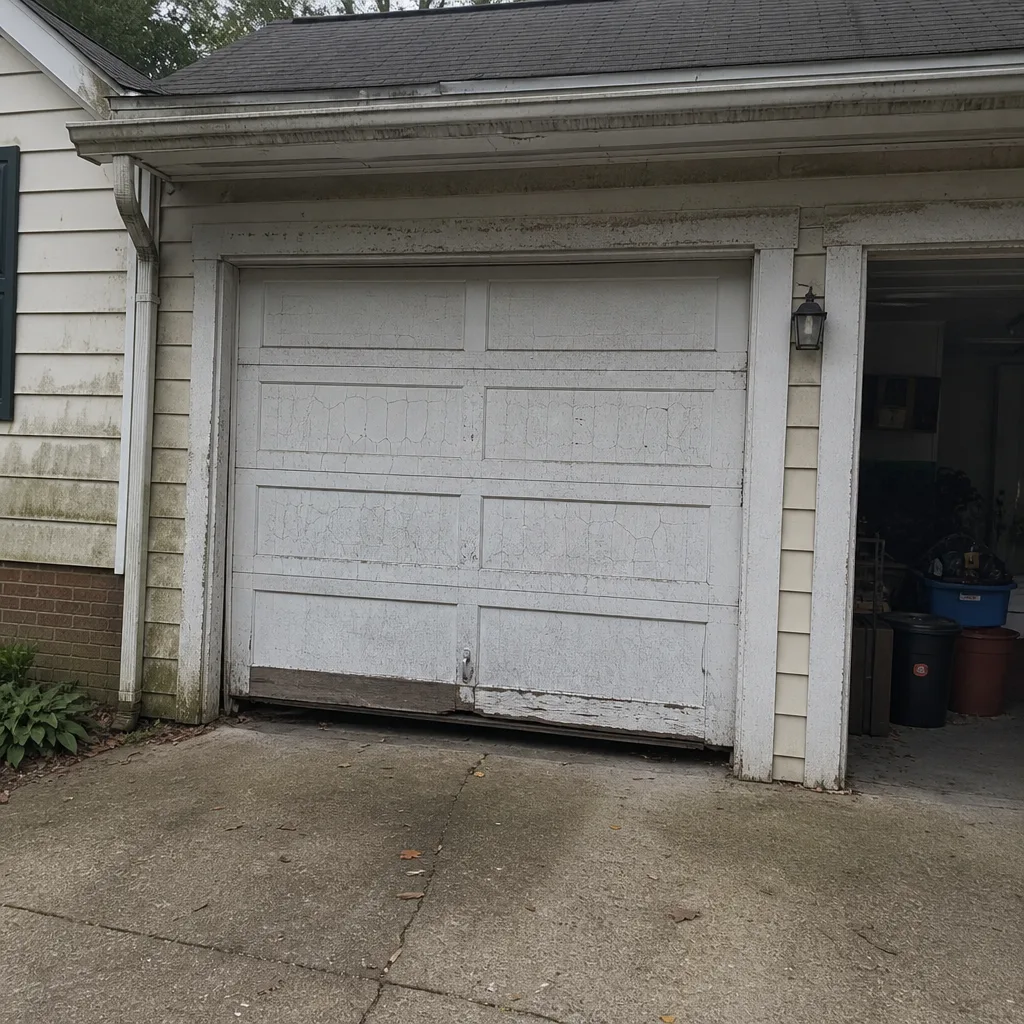 Before
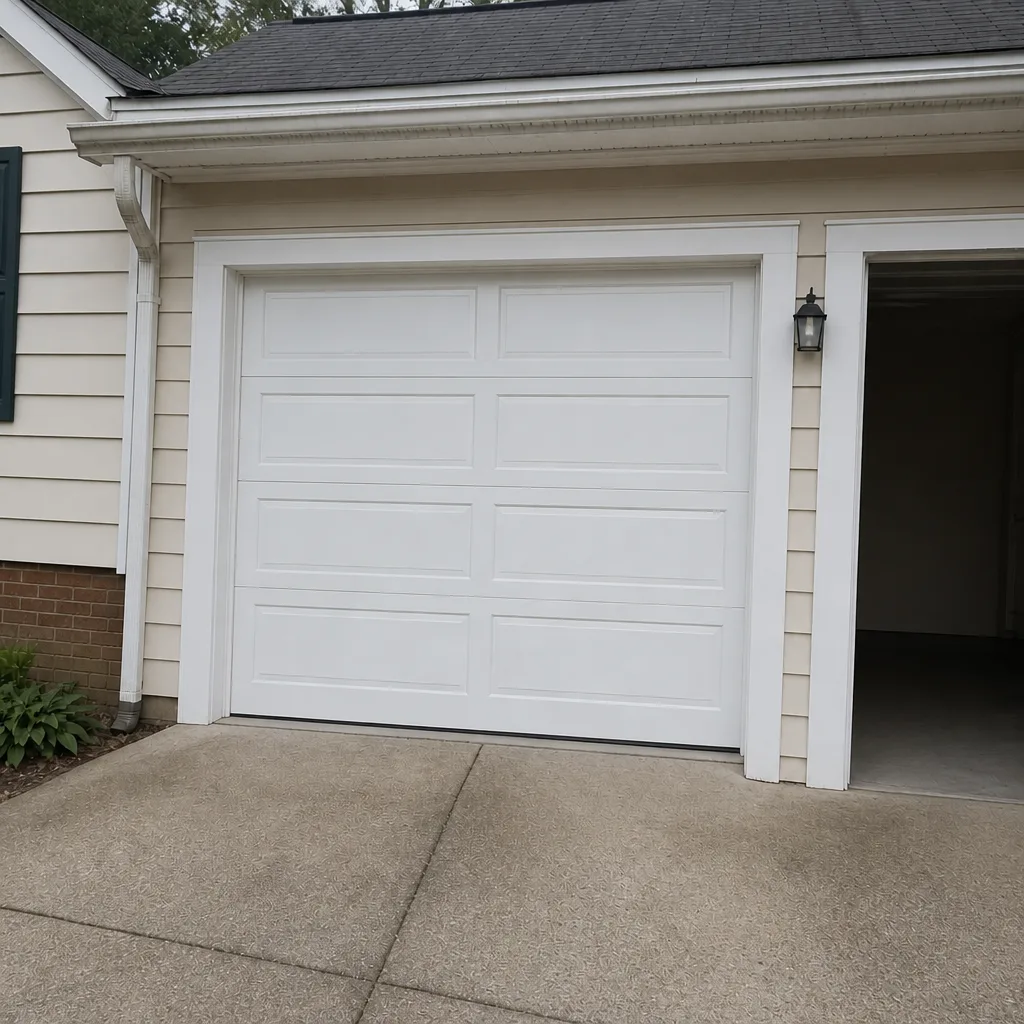 After
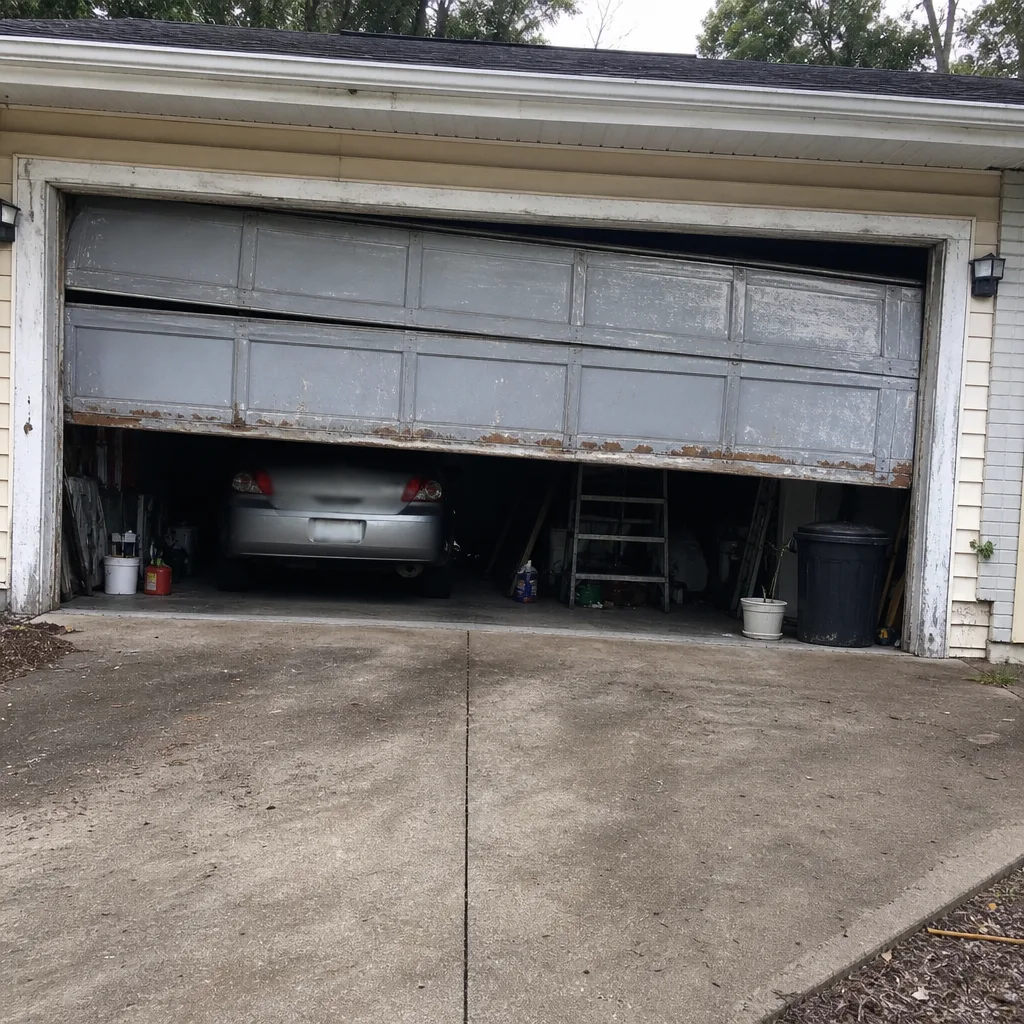 Before
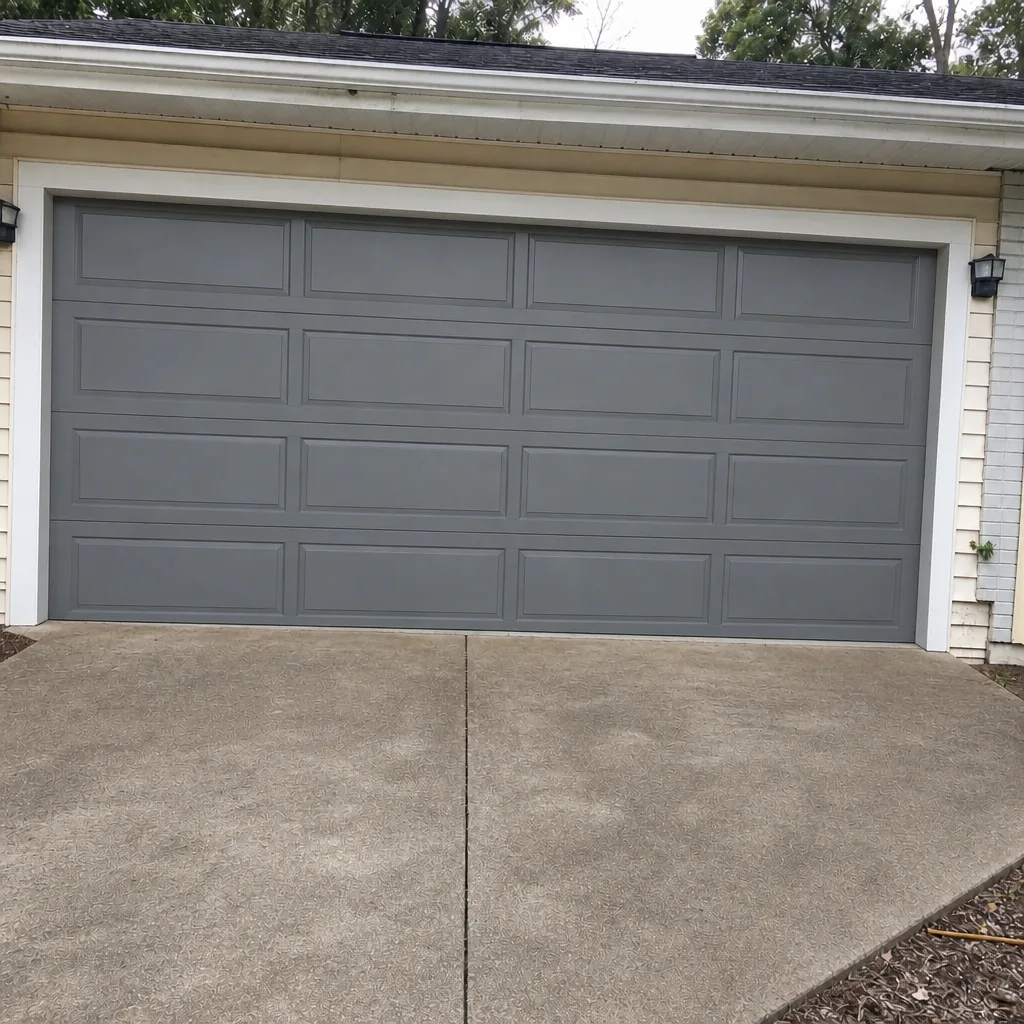 After
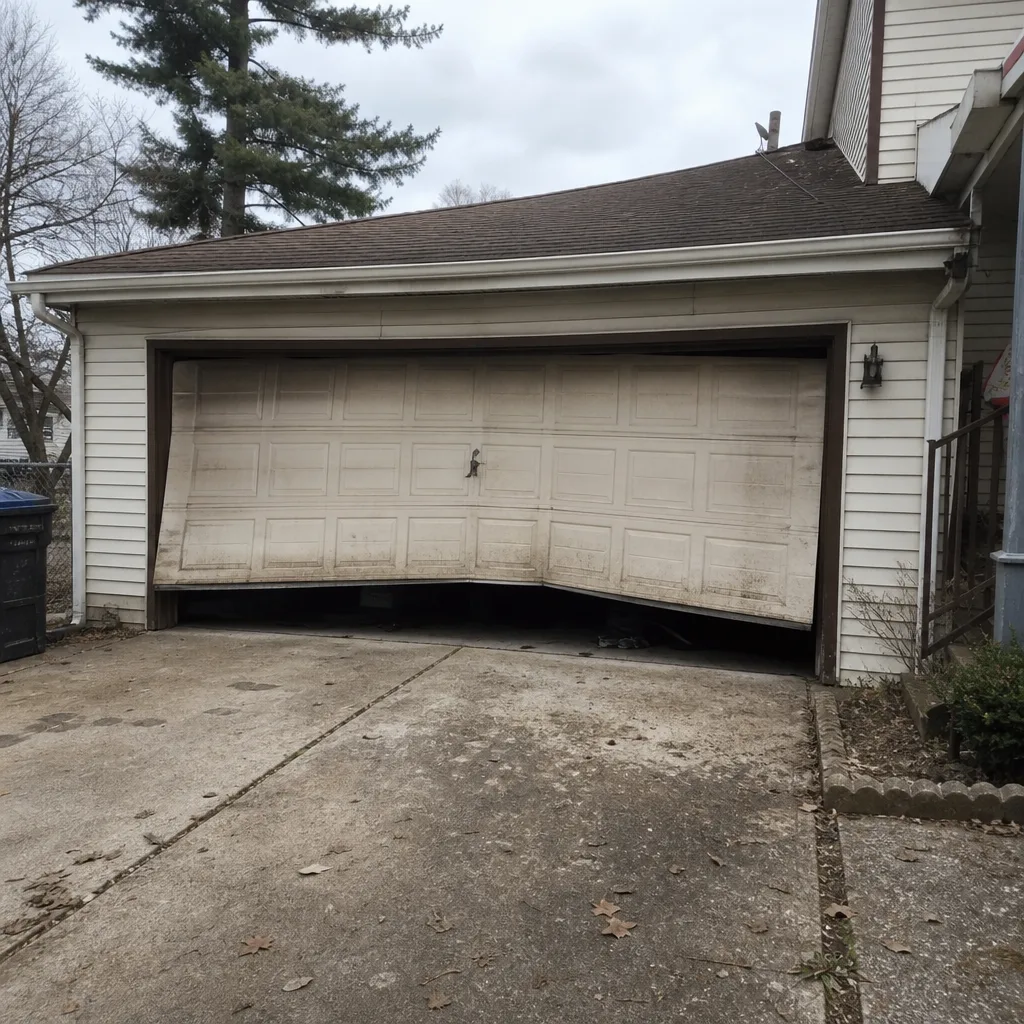 Before
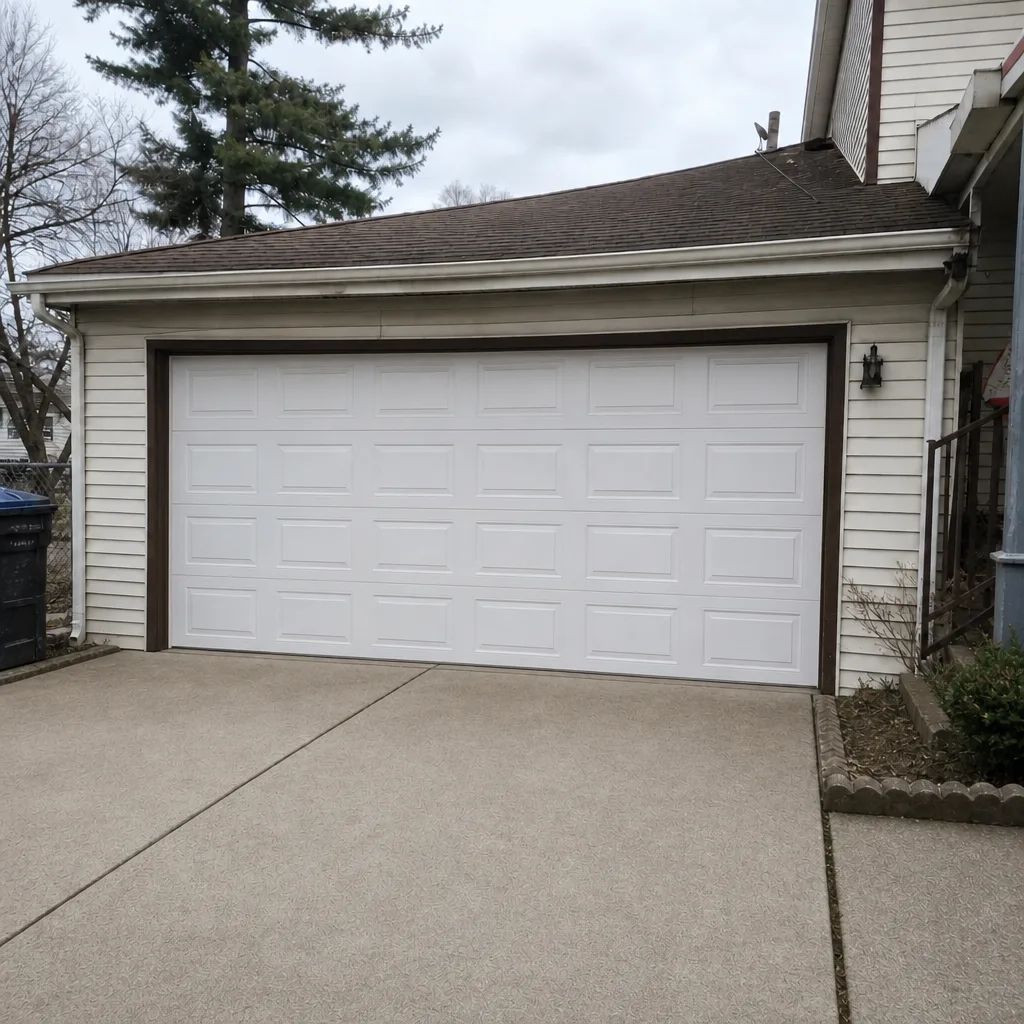 After
When to Call a Professional
Call a professional for anything involving springs, cables, tracks or the door’s balance. These are the high-risk parts of the system, and a mistake with a torsion spring or a loaded cable can cause serious injury. A door that’s come off its track, a spring that’s snapped, or a door that falls rather than lowers slowly all point to professional help. Opener failures that leave a door stuck, sensor faults that prevent closing, and panel damage that affects safety are also worth a call.
If the door can’t wait for a standard appointment, our emergency service is a genuine commitment, not a marketing line. Garage Door Repair Oxford Circle offers free estimates in Oxford Circle. Call (855) 658-4215 to get a written price before any work begins.
Frequently Asked Questions
Common repairs in Oxford Circle typically cost $150 to $450, with spring replacements running $180 to $340 for a single spring and a matched pair costing about twice that. The final price depends on the parts, the labor and whether the job turns urgent. Call (855) 658-4215 for an exact quote, since estimates are free.
In many cases, yes. A snapped spring that traps a car or leaves a door stuck is exactly what our emergency service is for, and we’ll tell you over the phone whether the job can be handled the same day. Call (855) 658-4215 and we’ll book the soonest appointment we can offer.
Only if the job changes, and only after we quote the change and you agree to it. The price you’re given in the written estimate is the price you pay for the work it describes. If a technician finds a worn cable behind a broken spring, you’ll get a revised quote before anything extra is done. Call (855) 658-4215 for a free estimate.
The local professionals we connect you with are licensed and insured as their state requires. We work with experienced technicians who are familiar with major brands including LiftMaster, Chamberlain, Genie, Clopay, Amarr, Wayne Dalton, Craftsman and Raynor. Call (855) 658-4215 to discuss your job.
Repair is almost always cheaper for a sound door with a single mechanical failure like a spring or an opener. Replacement makes more sense when the door is warped, has repeated failures, or needs hard-to-source parts. A free measure and written price on a new door gives you a real number to compare against your repair quote.
Because labor rates, parts markup and emergency fees vary more than the hardware itself, and two quotes for the “same” job often don’t cover the same items. One might include a matched spring pair and disposal; another might not. Ask for a line-item breakdown so you’re comparing identical scopes before you decide.
The Bottom Line
Garage door pricing in Oxford Circle isn’t driven mainly by the hardware, it’s driven by labor, markup, urgency and what a quote decides to leave out. A repair typically lands between $150 and $450, spring work runs $180 to $340 for a single spring with a pair costing about double, and a full replacement ranges from $1,200 to $3,500 depending on material and size. Read every quote as line items, confirm that the price is agreed before work starts, and weigh repair against replacement by total cost over time, not by a single number. When a door can’t wait, emergency service is a real option, with the premium stated clearly up front.
Call (855) 658-4215 for a free estimate in Oxford Circle. We’ll give you a written price you can compare, and we’ll stand behind it.
Written by the team at Garage Door Repair Oxford Circle.