Last updated November 21, 2026
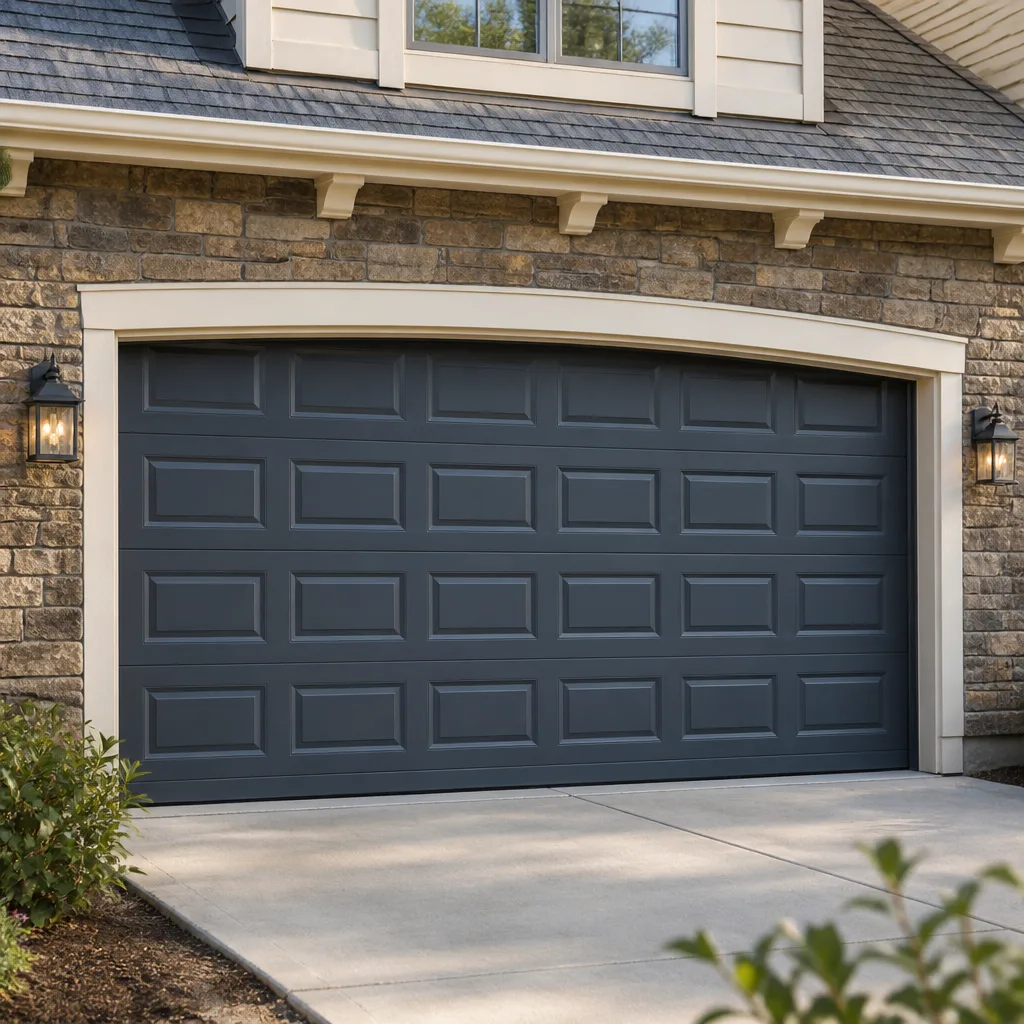 Raised-panel steel
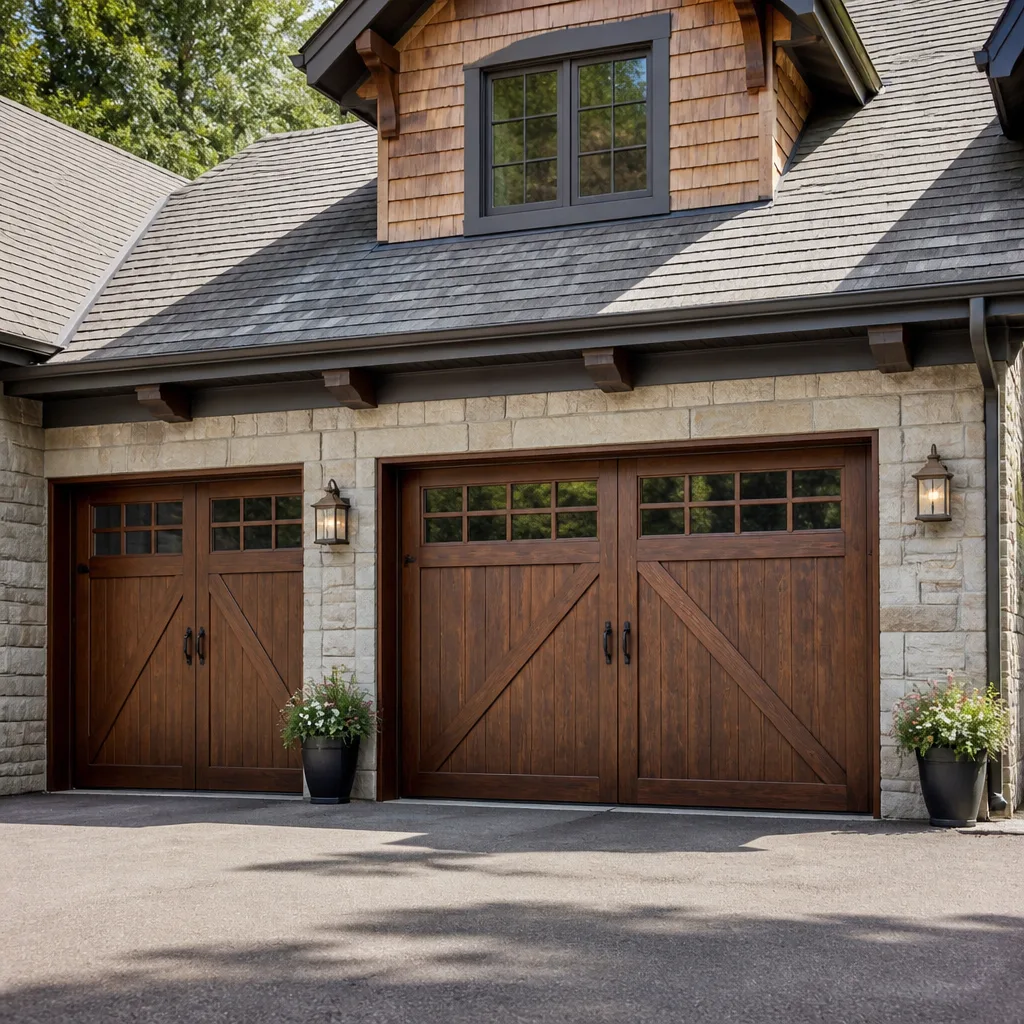 Carriage house
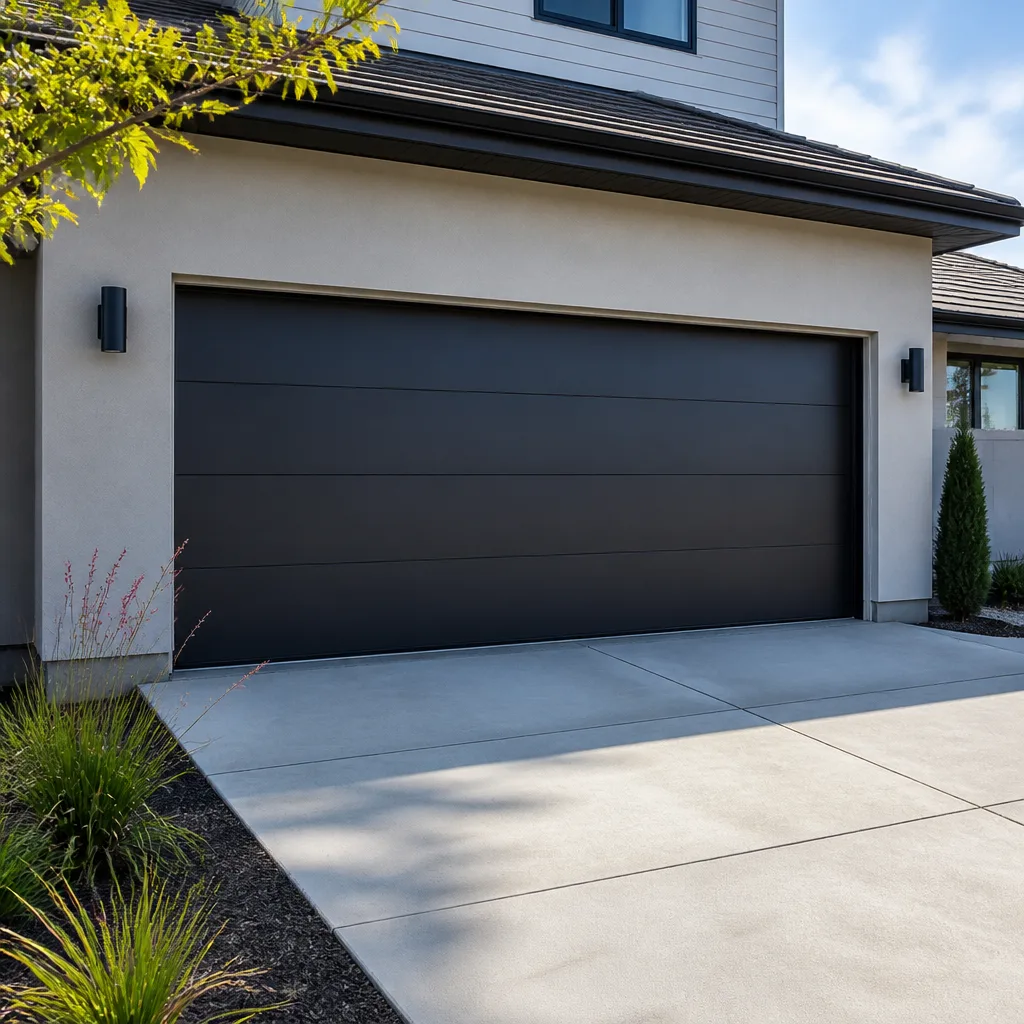 Modern flush
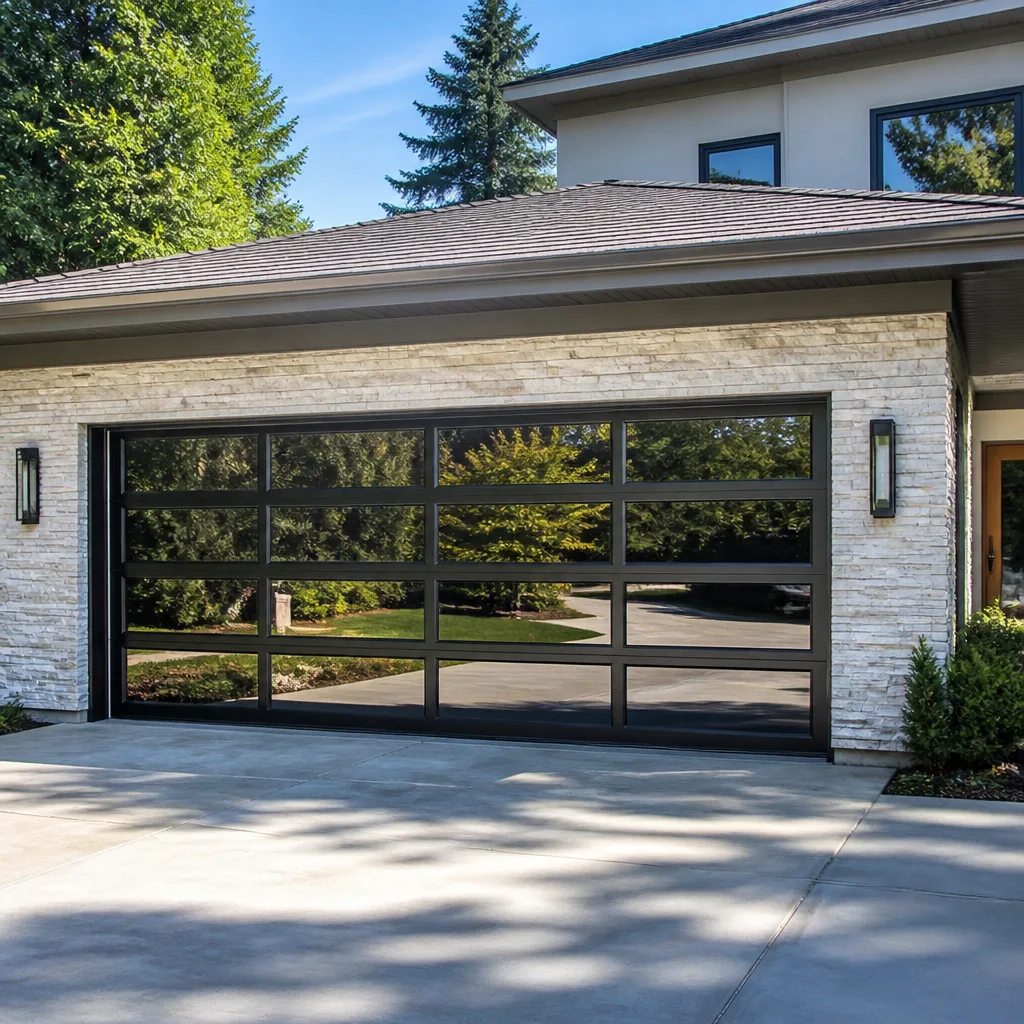 Full-view glass
 LiftMaster openers
 Chamberlain openers
Full 25-point door and opener safety check with every visit - springs, cables, rollers, tracks, and your LiftMaster or Chamberlain opener included
You get a price before we start. It does not change when the pro arrives.
Get your free estimateGarage Door Emergency Preparedness Guide for Oxford Circle Homes
Most garage door advice tells you to save your technician’s number and hope you never need it. That’s not preparation. It’s a phone number on a fridge magnet. In Oxford Circle, the emergencies that actually happen follow patterns: the cold snap that freezes a door to its frame, the storm that drops a limb onto a panel, the outage that strands the car behind a dead opener. Each one has a first move, and getting that first move right is what protects you from a second problem on top of the first. This guide walks through the three scenarios that cause most Oxford Circle garage door emergencies, the safe way to use a manual disconnect, what to do when a spring breaks mid-cycle, how to secure a damaged door, and what to have ready before you call. You’ll learn enough to handle the first twenty minutes correctly and know exactly when the next step belongs to a trained technician.
Quick Answer
The first thing to do in any garage door emergency in Oxford Circle is stop operating the door: release the manual disconnect on the opener, and avoid pulling, prying or forcing anything. Use the manual release on a frozen or stuck door before trying to move it, never touch a broken spring, and call a technician for anything involving springs, cables or a door stuck in a raised position. A specialist diagnoses the failure and quotes a price before work starts.
Styles & brands we work with
- Raised-panel steel
- Carriage house
- Modern flush
- Full-view glass
- LiftMaster openers
- Chamberlain openers
Table of Contents
- Why Oxford Circle Emergencies Follow Three Patterns
- Scenario One: The Door That Freezes Shut
- Scenario Two: The Power Goes Out and the Door Won’t Move
- Scenario Three: A Spring Breaks While the Door Is Moving
- How to Use the Manual Disconnect Safely
- How to Secure a Door That Won’t Close
- What to Have Ready Before You Call
- The Oxford Circle Emergency Preparedness Checklist
Why Oxford Circle Emergencies Follow Three Patterns
Garage door failures aren’t random. They cluster around the conditions that stress the system hardest, and in Oxford Circle those conditions are seasonal cold, summer storms, and the outages that hit when the grid gets tested. A door that’s been fine all summer can start fighting you the first week the temperature drops, because the metal track contracts, the lubricant thickens, and any moisture that got between the bottom seal and the slab turns into ice. The same door, after a strong storm, can be sitting under a downed branch or out of alignment on a bent track.
Understanding the pattern matters because the right first response is different in each case. Force a frozen door and you can strip the opener’s gear assembly. Treat a power outage like a dead opener and you’ll pay for a service call you didn’t need. Grab a broken spring and you’ve turned a repair into a hospital visit. When we connect Oxford Circle homeowners with a local technician, the first question we ask is which scenario they’re looking at, because it tells us what tools and parts to expect.
There’s a fourth pattern worth naming: the slow failure. A door that gets louder every week, hesitates at the top, or reverses instead of closing isn’t an emergency yet. It’s a warning. A door in that state in Oxford Circle often breaks a spring within weeks, and catching it before it goes is a repair. Catching it after is an emergency call at a worse time.
Scenario One: The Door That Freezes Shut
A frozen garage door is the most common winter emergency in Oxford Circle, and it’s also the one most often made worse by force. If the door won’t lift on a cold morning, the cause is almost always one of three things: ice bonding the bottom seal to the concrete, ice in the tracks, or a stiff system that the opener can’t overcome. The opener keeps pushing until something gives. Usually that something is the opener, not the ice.
Here’s the sequence that protects your door:
- Stop hitting the wall button. Every cycle you run strains the opener against an immovable object.
- Look along the bottom seal for visible ice. If you see it, the seal is bonded to the floor.
- Never pour hot water on the door or the tracks. It melts the ice and refreezes it a few minutes later, and on metal it can crack paint and invite rust.
- Never pour salt or de-icer into the track. Grit and salt both work their way into the rollers.
- If you have one, run a household fan or a space heater on low at a safe distance from the door for a while, and see whether the seal releases.
- If the door still won’t budge, stop. Call a technician rather than pulling on the door.
If the door will lift, the smart move in Oxford Circle is prevention. A silicone-based lubricant on the seal, tracks and rollers before the first cold snap is the single most effective step. A door with a bent track or worn rollers will keep freezing no matter what you do, so that’s the moment to schedule a garage door repair before the weather turns. Our technicians have up to 13 years of experience with cold-weather door failures, and a lift that sounds like it’s fighting something is the earliest sign.
If the opener grinds, clicks without moving, or hums and does nothing when the door is frozen, the opener is the casualty, not the cause. That’s when garage door opener repair is the right call. LiftMaster and Chamberlain motors are the most common in Oxford Circle homes, and a technician who works on those brands will know what to check first.
Scenario Two: The Power Goes Out and the Door Won’t Move
When the power drops, your garage door does not become a broken door. It becomes a manual door. The opener has a manual release that lets the door be lifted by hand, and knowing how to use it is the difference between moving your car and waiting out the outage in the driveway. In Oxford Circle, where summer storms and winter outages both take down power, this is the skill most worth having ready.
What you need to know:
- The release cord or handle hangs from the trolley that runs on the opener rail, not from the door itself. It’s usually red and hangs down toward the door.
- Pull it once, firmly, straight down. The door is now disconnected and moves by hand.
- Lift the door with a steady two-hand grip on the bottom panel. A well-balanced door should be manageable; a door that feels extremely heavy is a sign of a spring problem, and you should let it back down and stop.
- Once the power returns, you’ll need to reconnect the door. With the door closed, the trolley re-engages when the opener runs its next cycle in most setups. If it doesn’t catch, don’t force it.
What the outage itself often reveals is the state of your safety reverse. A door that started closing before the outage and stopped because the motor lost power is fine. A door that won’t reverse when it meets an object after the outage is a safety issue, and that’s a priority for the next technician visit. It’s also why we suggest that homeowners with lift-master or chamberlain openers that support battery backup have that feature on their radar: it isn’t a repair, but it does keep the door moving when the grid doesn’t.
Scenario Three: A Spring Breaks While the Door Is Moving
This is the one that calls for restraint. When a torsion spring or extension spring breaks, the door loses the counterweight holding it up. A door that breaks a spring on the way down can slam. A door that breaks on the way up can hang, sag, or drop suddenly if the opener can’t hold it. The bang is loud, and the first instinct is to go look. Don’t get under the door to do it.
What to do in the first minute:
- Get clear of the door. Don’t walk under a door that has just lost a spring.
- If the door is fully closed, leave it. Don’t try the opener again to see if it works.
- If the door is stuck partway up, don’t touch it, and don’t stand underneath it while you think about it.
- Don’t attempt to lift the door by hand. The spring is what made it liftable; without it, you’re lifting the full weight of the door.
- Call for a technician. Spring repair is the one job in the garage door trade that should never be handled by anyone but a trained professional.
The reason for the caution is simple: torsion springs are under enormous tension even when the door is at rest. The tension has to be released with the right tools and the right technique, usually two winding bars and a controlled method. A spring that slips while being handled can injure badly. We treat spring repair as a core specialty, not an upsell, and when we put you in touch with a local Oxford Circle technician, that professional is set up for the job. If your door uses a Raynor or Craftsman system, mention the brand when you call, because the spring configuration and tension differ. A Garage Door Repair Oxford Circle specialist will ask before arriving so the right parts are on hand.
How to Use the Manual Disconnect Safely
The manual disconnect is the most useful feature on your opener and the most misunderstood. It’s designed to be used. It’s also easy to misuse in a way that damages the door. Here’s the safe procedure, in general terms:
- Only use it with the door fully closed. Pulling the release with the door up releases a door that then has nothing holding it, and it can drop fast.
- Pull once, straight down. Don’t yank. Don’t pull sideways. The trolley disconnects and the door goes to hand operation.
- Use two hands on the bottom panel when lifting, and raise it steadily. If you meet sudden resistance, lower it. That’s usually a sign of a spring or track problem, not a user error.
- Reconnect only with the door closed. For most LiftMaster and Chamberlain models, running the opener once re-engages the trolley. If it doesn’t catch, check that the trolley is lined up with the carriage before trying again.
- Don’t use the release as a shortcut to move the door on a normal day. It’s a manual override for outages and emergencies, not a way to skip the opener.
The disconnect is also your first move on a door that’s jammed. If the opener is trying to push a door that won’t move, releasing the trolley removes the strain on the motor and the door. Then the door can be handled by hand, if it can be handled at all. When we walk an Oxford Circle homeowner through this over the phone, the goal is the same: take the load off the opener, and let the technician deal with the door.
How to Secure a Door That Won’t Close
A door that won’t close is a bigger problem than a door that won’t open, because it leaves the garage exposed. Oxford Circle homes usually have the garage off a driveway or alley opening, so a door stuck up is visible from the street and accessible from it. Securing it doesn’t mean fixing it. It means making it safe until a technician can get to it.
What usually works:
- Check the track for obstructions. A toy, a shovel, a leaf pile or a piece of a broken spring can stop a door dead, and the safety reverse will send it back up.
- Look at the photo-eye sensors. Small misalignment is the single most common cause of a door that reverses. If a sensor’s light is out or blinking, that’s the reason the door won’t close.
- Try the wall button, not the remote. If the remote is the problem and the wall button works, the door can usually close fine.
- If the door still won’t close, don’t prop it. A door propped open with a board or a chair is unstable and will fall. If the door is stuck up, close the garage through the interior door instead, and lock it from inside.
- If the door won’t close and the garage is full of items, bring them inside the house if you can, or move valuables off the floor, and get a technician out as soon as possible.
In a home with an alley-facing garage, a door that won’t close is visible to anyone driving or walking past. That’s the case where a security call makes sense over waiting. We offer emergency garage door service precisely for this, because a door stuck open in the evening is not the same problem as a noisy door you can put off for a week.
What to Have Ready Before You Call
The first call is the one that gets a technician moving. A few details in hand turns a callback into a dispatch. Here’s what we ask for, and what a local technician will need:
- The make and model of your opener, if you can find it. It’s usually on a sticker on the back of the motor unit. LiftMaster, Chamberlain, Genie, Craftsman and Raynor are the most common in Oxford Circle homes, but any brand helps.
- What the door is doing right now. Won’t move, moves a few inches and stops, reverses, makes a sound, won’t close, won’t lift by hand. One sentence is enough.
- The last thing that happened before the failure. Frozen, power cut, loud bang from the spring, storm the night before. That detail points to the right repair.
- The door type. Roll-up, sectional panel door, single or double width, and roughly how old the door is. Usually the homeowner knows.
- Whether the door is fully closed, fully open, or stuck partway. That’s the safety question we ask first.
- The number of the garage door repair service you’re calling. One number. If you’ve saved our number, that’s (855) 658-4215.
What you don’t need is a long diagnosis or a guess at what part failed. Leave that to the technician. What matters is that the first call carries enough detail to book the right job. In our experience, the calls that go smoothly are the ones where the homeowner knows the brand on the opener and what the door is doing, not the ones where the homeowner has already researched the fix.
The Oxford Circle Emergency Preparedness Checklist
Preparedness isn’t a one-time thing. It’s a short set of habits that make the next emergency a smaller problem. Here’s the list we suggest for Oxford Circle homeowners:
- Test the safety reverse once a month. Place a small object in the door’s path as it closes and confirm it reverses. This is the one test that catches most safety failures before they cause a problem.
- Lubricate the tracks, rollers and bottom seal before the first cold snap. Silicone lubricant, not grease. This is the single best defense against a frozen door.
- Look at your springs every few months. A torsion spring with a visible gap, or an extension spring that looks stretched or has a gap in the coil, is a spring that’s close to failing. Don’t touch it. Book a service call.
- Check that the photo-eye sensors are clean and aligned. They’re small and they get bumped. A sensor that’s off by a millimeter will keep the door from closing.
- Know where the manual release is and how it works. Do it once, in daylight, on a normal day. Then you’re not figuring it out in the dark.
- Save a garage door service number you trust. One number, easily found. That’s a preparedness step in itself.
- Get a free estimate before you need an emergency repair. A door that’s on its way out can be planned for. A door that’s already failed can’t. When you’re ready for a door that lasts, we can connect you with a local pro for garage door installation and a written price.
The most valuable one on that list is the first. A safety reverse test takes a minute and catches the most serious failures. The most valuable one for convenience is the release. If you know how to disconnect, an outage doesn’t stop your morning.
Common Mistakes to Avoid
- Forcing a frozen door open. The opener is designed to lift a balanced door, not to break ice. Force it and you can strip the gear assembly, and then you’re calling for a repair you didn’t need. Look at the seal, not the button.
- Pouring hot water or salt into the track. It’s a common winter fix and a bad one. Hot water refreezes. Salt and grit work into the rollers and bearings and shorten the life of the door.
- Standing under a partially open door with a broken spring. The door has lost its counterweight. It can come down. Wait outside the door’s path until a technician arrives.
- Trying the opener repeatedly on a stuck door. Every cycle that ends in a fail adds heat and wear to the motor. If it didn’t work twice, it isn’t going to work on the tenth try.
- Pulling the manual release with the door up. The door loses its connection to the rail and can drop fast. Release only with the door fully closed.
- Propping a door open with a board or chair. It seems like a way to secure an open garage. It isn’t. It’s a way to get the door falling on someone. Use the interior door and lock it.
- Calling a general handyman for a spring. Spring work is the most dangerous job in the trade and it isn’t a ladder-and-a-wrench job. Use a technician who specializes in garage door springs, and who can work on the brand on your door.
See the difference
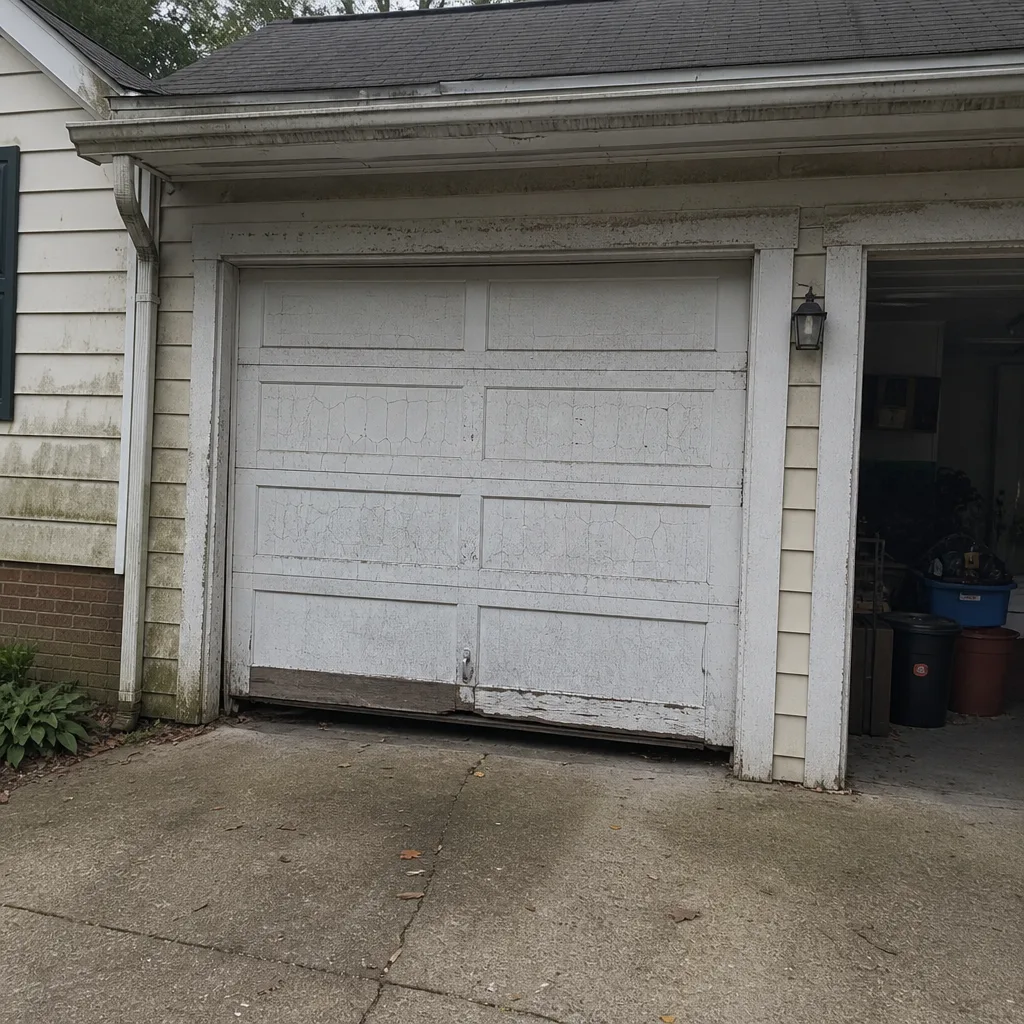 Before
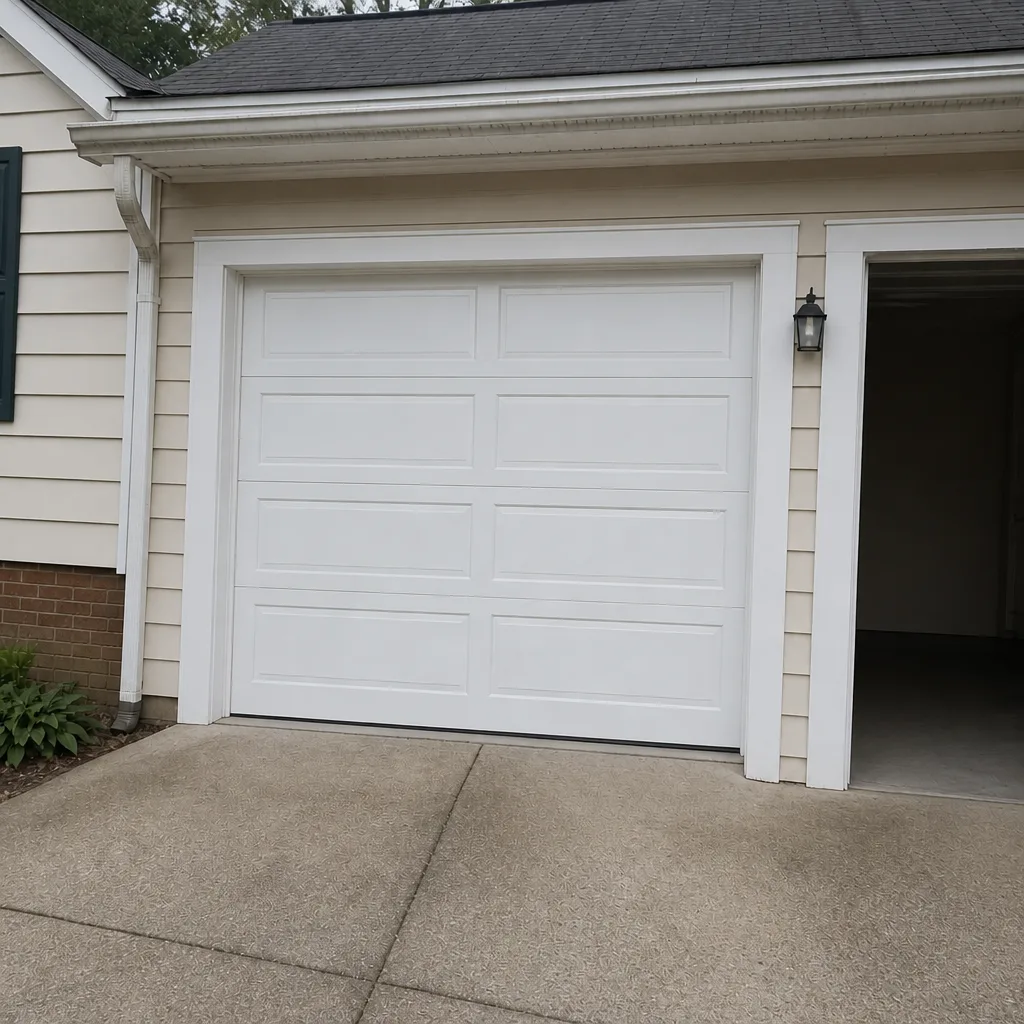 After
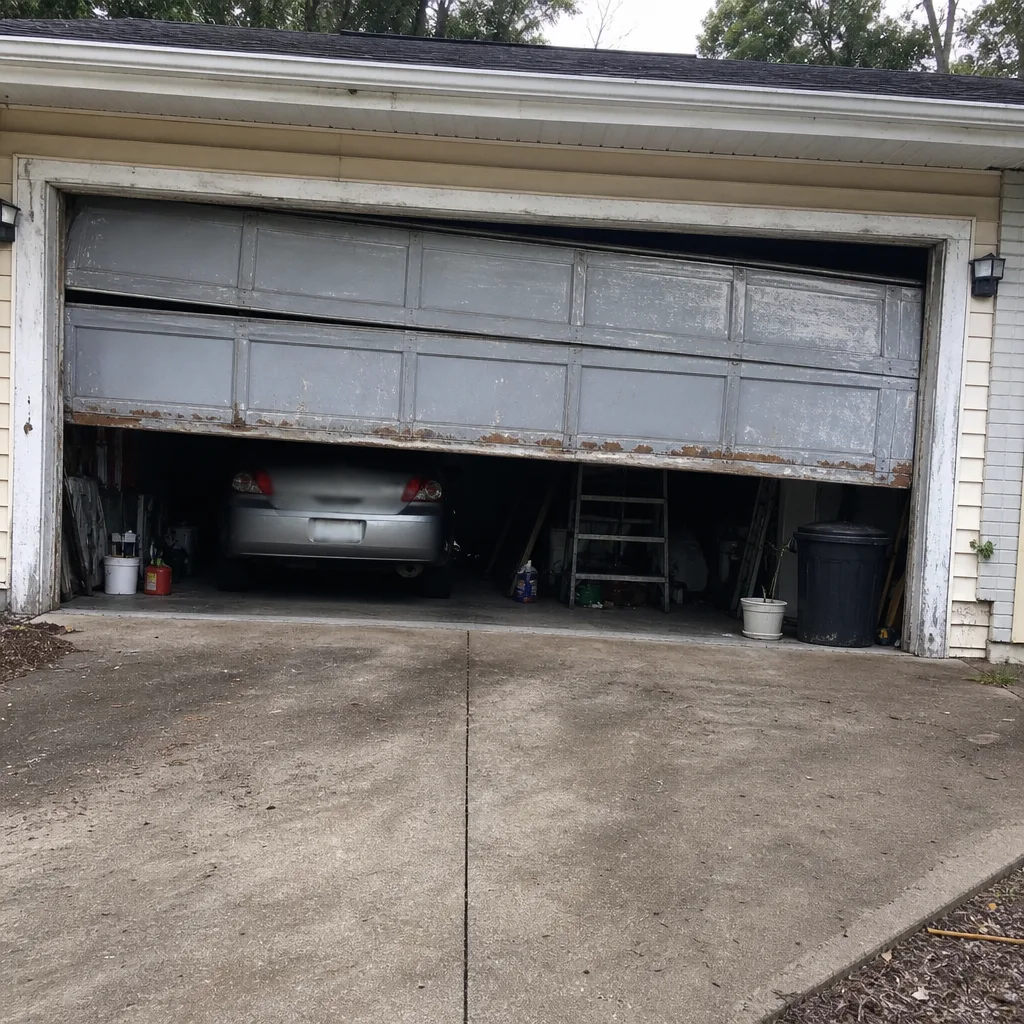 Before
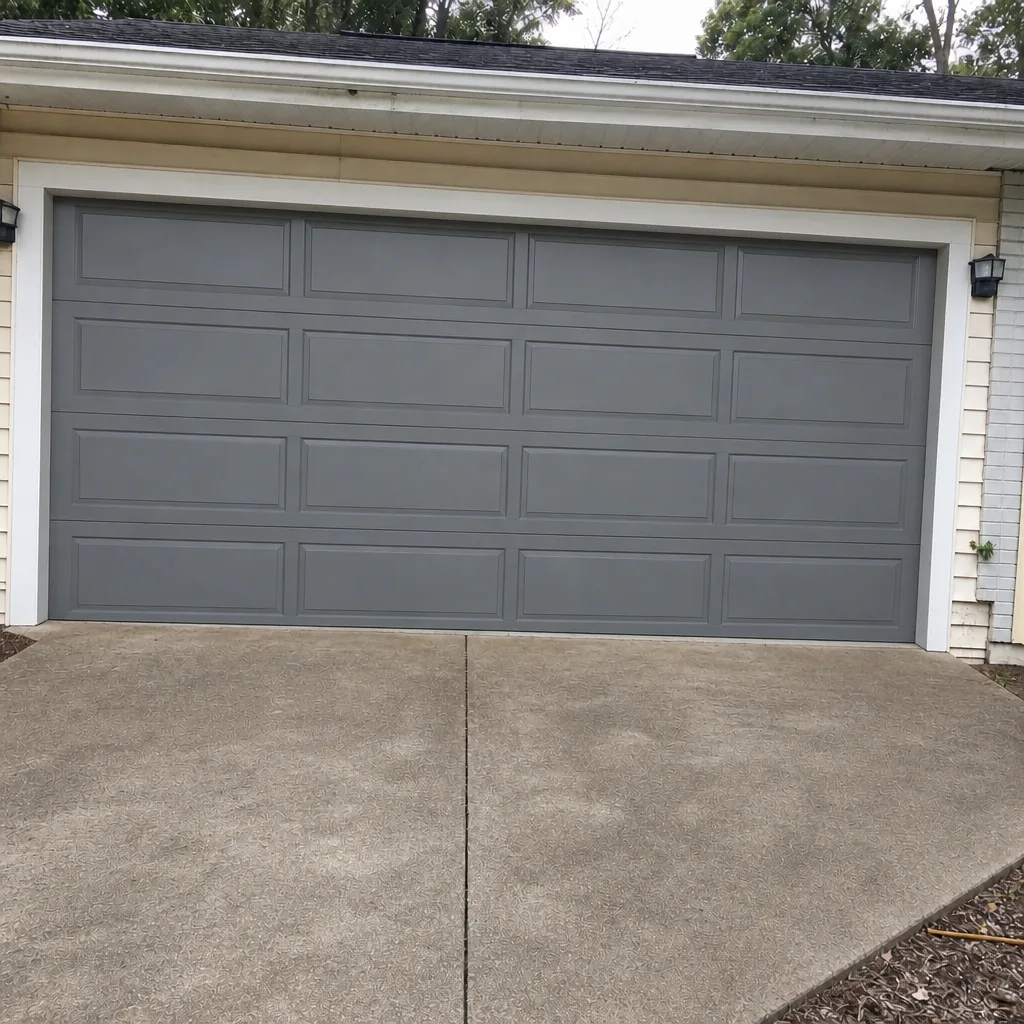 After
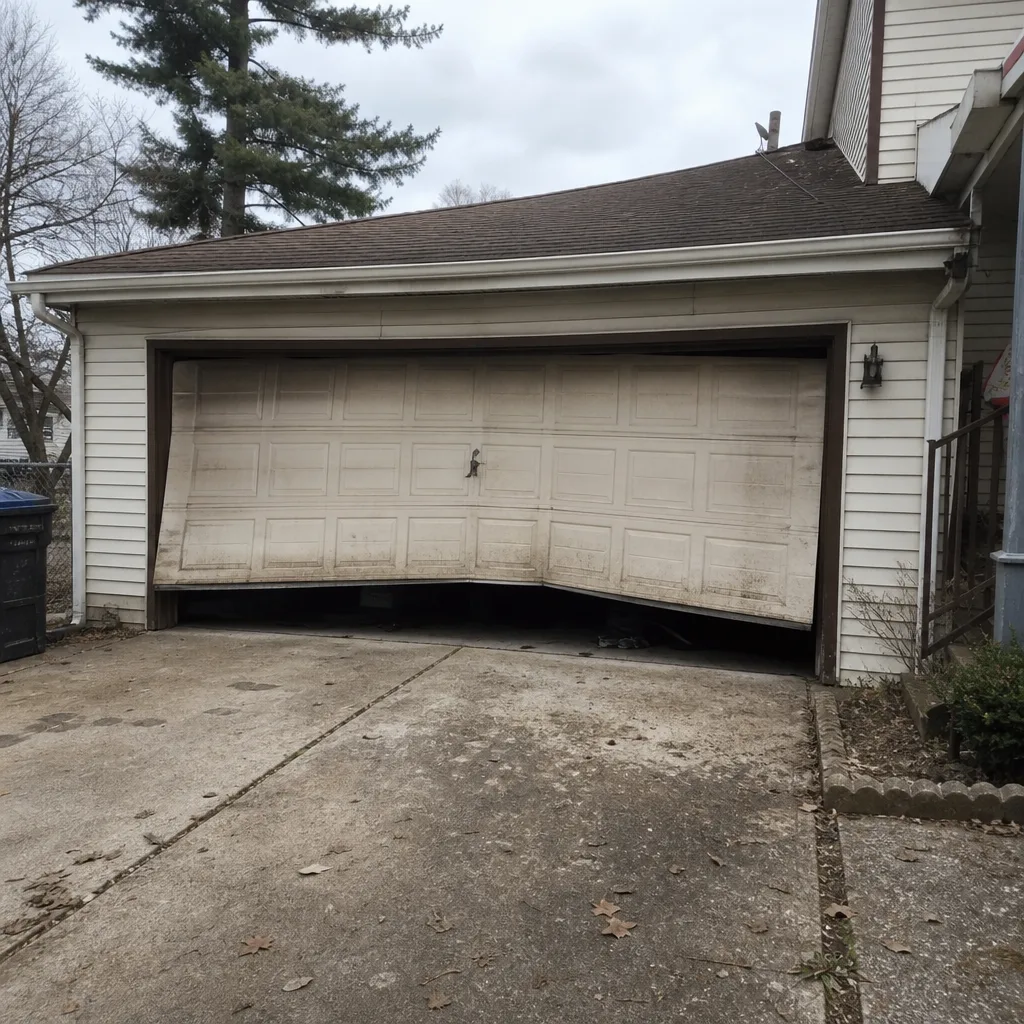 Before
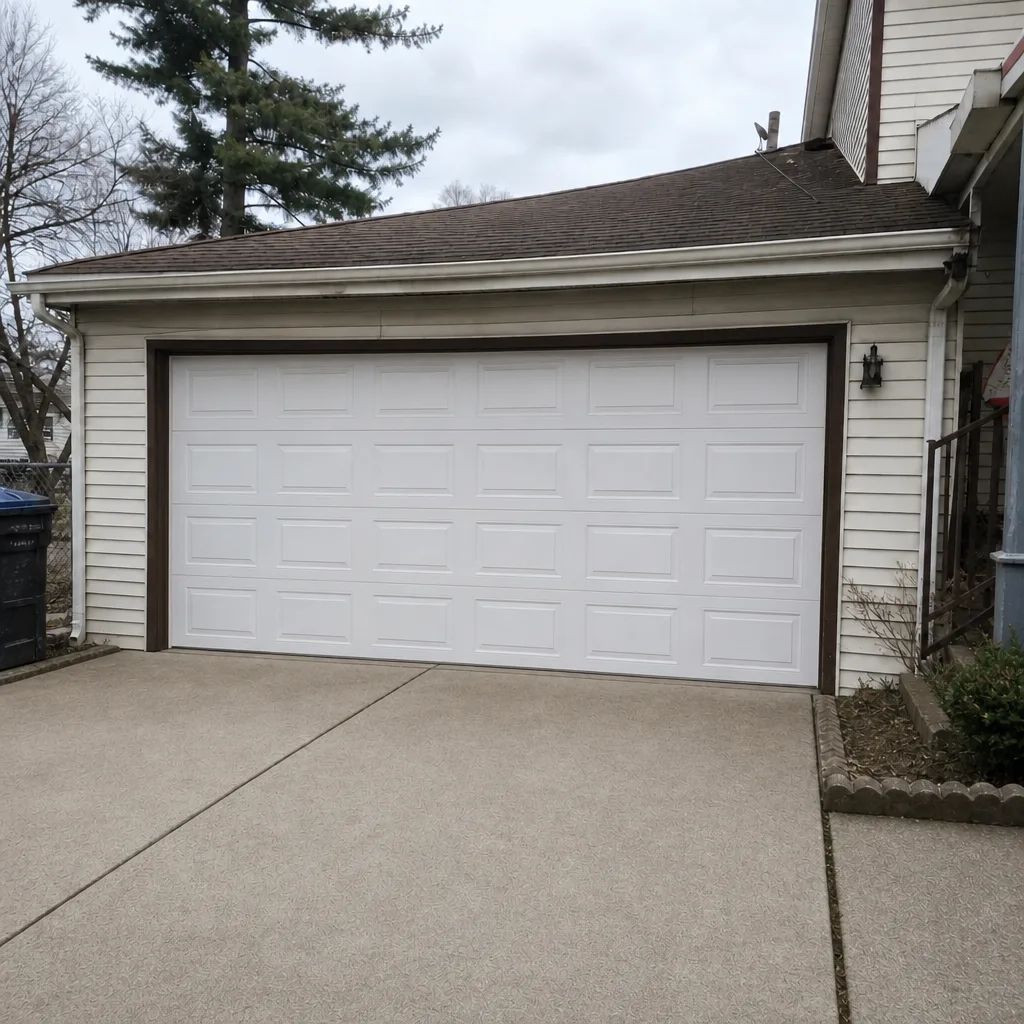 After
When to Call a Professional
Some garage door problems are best handled by a trained technician, and the list is shorter than you’d expect. Call a professional when a spring has broken or looks about to, when the door has dropped or jumped its track, when the cables are loose or off the drum, when the opener grinds, hums or resets on its own, when the safety reverse has stopped working, or when a door is stuck open and needs to be secured. Those aren’t jobs to learn on the fly, and they’re not jobs to hand to a generalist. Garage Door Repair Oxford Circle connects you with a local professional who works on garage doors full time, with factory familiarity across LiftMaster, Chamberlain, Genie, Craftmaster and Raynor systems. Estimates are free in Oxford Circle. Call (855) 658-4215 and we’ll get a technician out to look at it.
Frequently Asked Questions
Spring repair in Oxford Circle typically runs a few hundred dollars for a single spring, with a matched pair usually costing about twice that because both are replaced together. The written estimate sets the final price, and it’s quoted and agreed before any work starts. Call (855) 658-4215 for an exact quote. Estimates are free.
Yes. We offer emergency garage door service for the situations that can’t wait, including a door stuck open, a spring that’s just broken, or an opener that’s failed and is trapping a car. The fast dispatch runs from 7am to 7pm. Call (855) 658-4215 and tell us what the door is doing. The sooner we know, the sooner a technician can be booked.
No. The price is quoted and agreed before any work begins. The written estimate is the price, and if the technician finds something different on arrival, that’s a conversation before work, not an invoice after. Free estimates are part of the deal in Oxford Circle. Call (855) 658-4215 to book one.
The local professionals we connect you with are licensed and insured as their state requires. We don’t hand you a generalist with a ladder. The technician who arrives works on garage doors as a specialty and will tell you what’s wrong before they start. Call (855) 658-4215 for an estimate.
Yes, if your door has a manual release on the opener. Pull the release with the door fully closed, then lift it with two hands on the bottom panel. Don’t pull the release with the door up, and if the door feels very heavy, let it back down and stop. A very heavy door is a spring problem. Call (855) 658-4215 if it won’t move by hand.
Stop hitting the wall button and don’t force the door. Look along the bottom seal for ice, and let it melt slowly rather than pouring hot water on the door or the tracks. A silicone lubricant on the seal before the cold snap is the best prevention. If the door still won’t lift, call a technician. Call (855) 658-4215 for a free estimate.
The Bottom Line
Garage door emergencies in Oxford Circle come down to a handful of scenarios: the frozen door, the power outage, and the broken spring. Each has a first move that protects the door, and one move that damages it. Stop, don’t force, release the disconnect, stay clear of a broken spring, and have the brand on your opener and a description of the problem ready when you call. That’s the core of preparedness. The rest is knowing who to call. When a door fails, Garage Door Repair Oxford Circle connects you with a local professional who knows the brand on your door and quotes the price before work starts. Call (855) 658-4215 for a free estimate.
Written by the team at Garage Door Repair Oxford Circle.