Last updated November 21, 2026
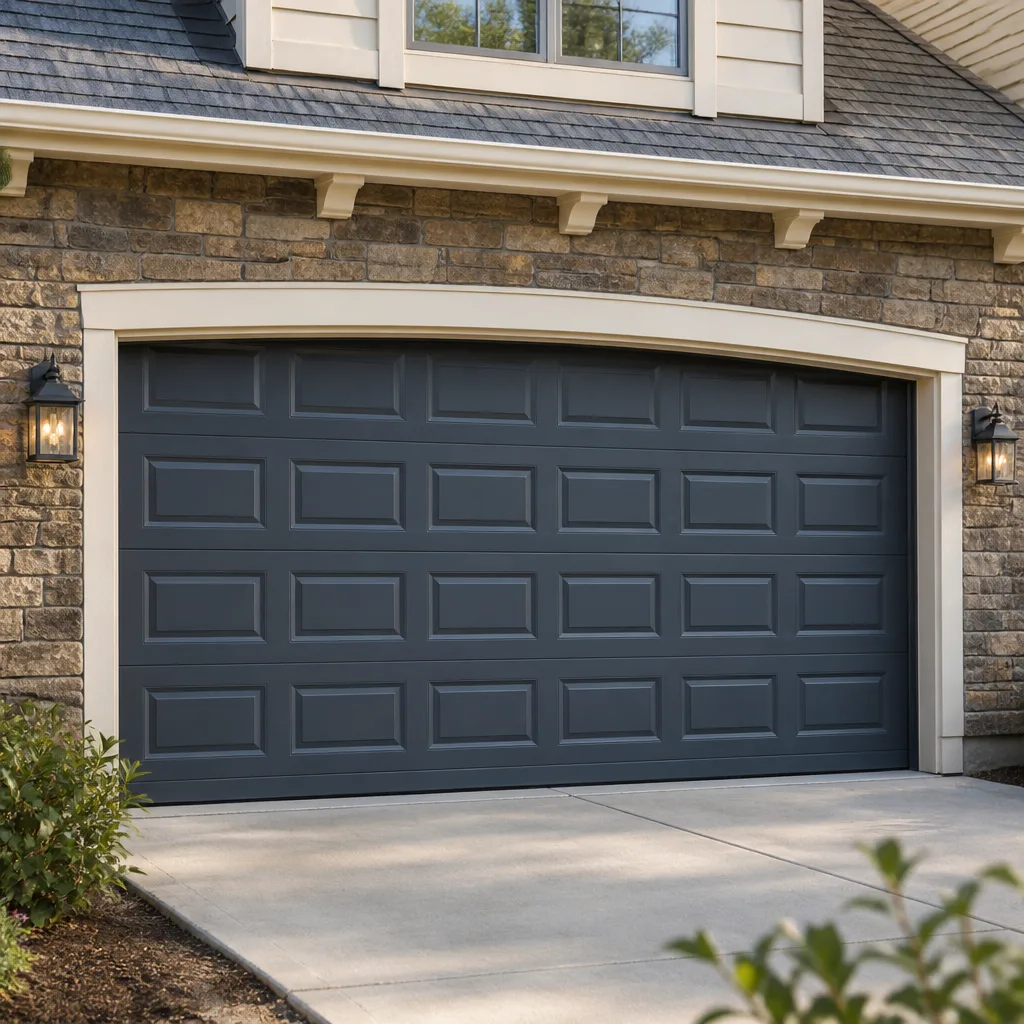 Raised-panel steel
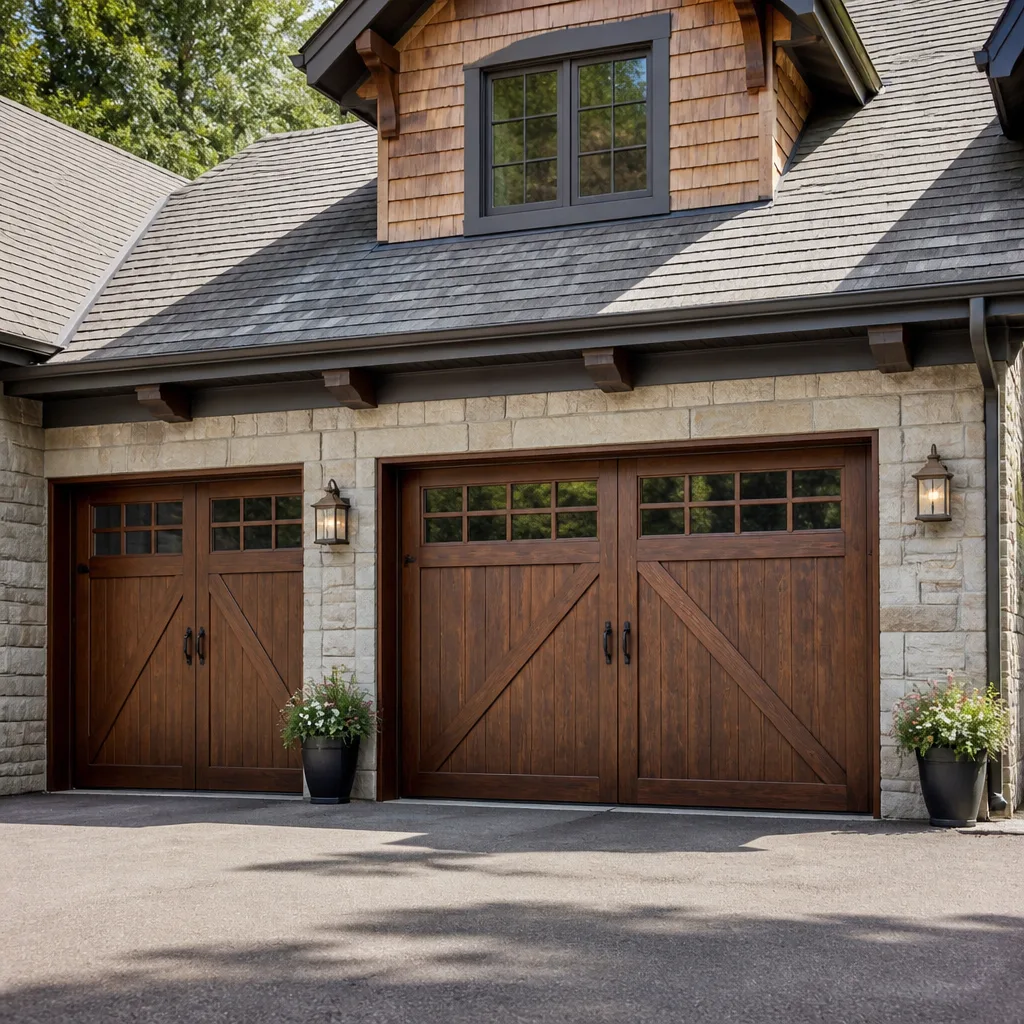 Carriage house
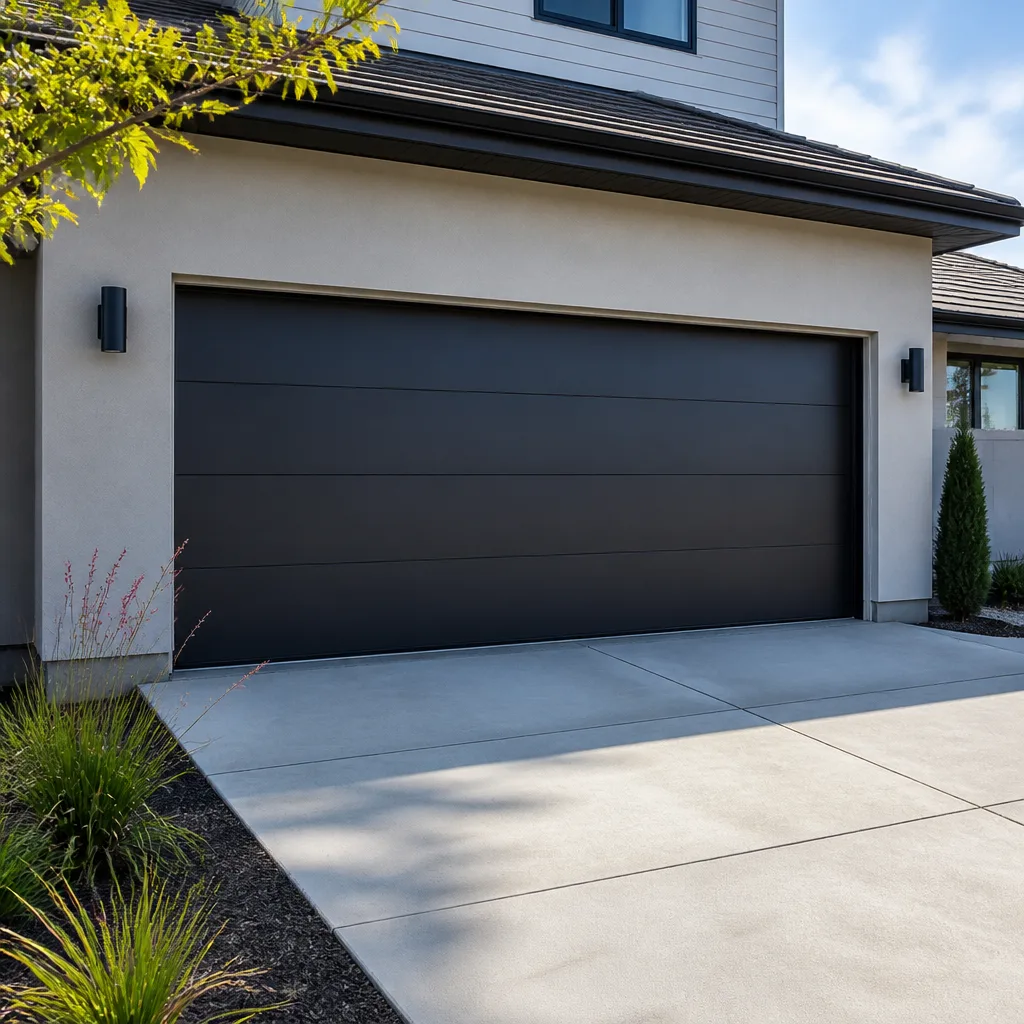 Modern flush
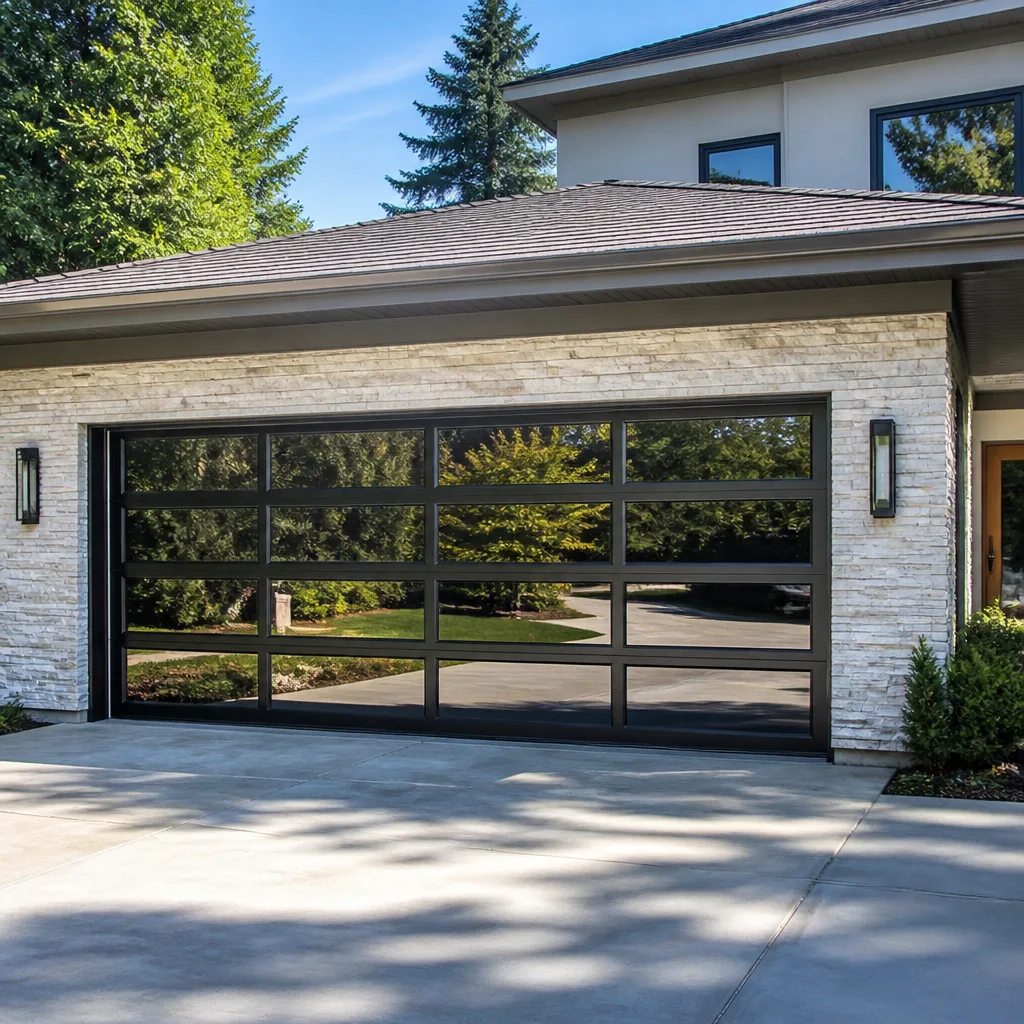 Full-view glass
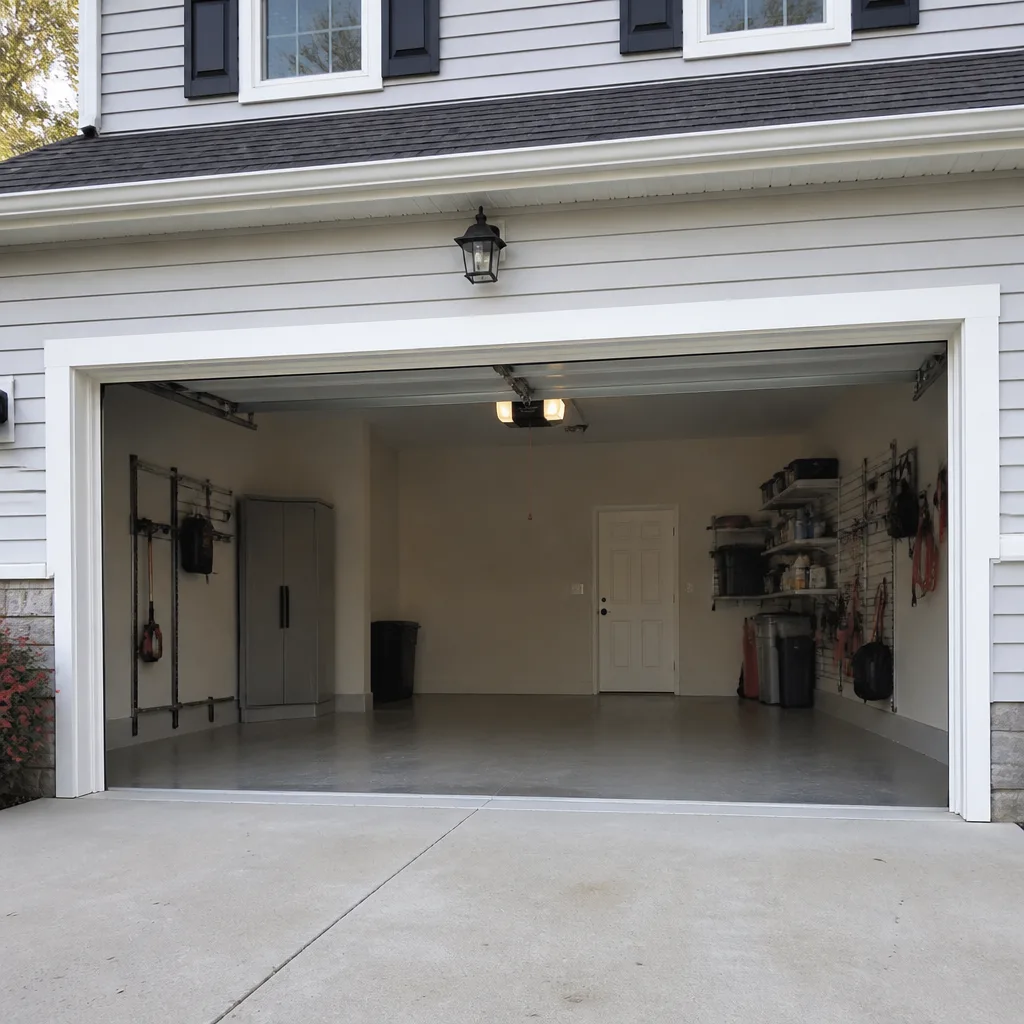 LiftMaster openers
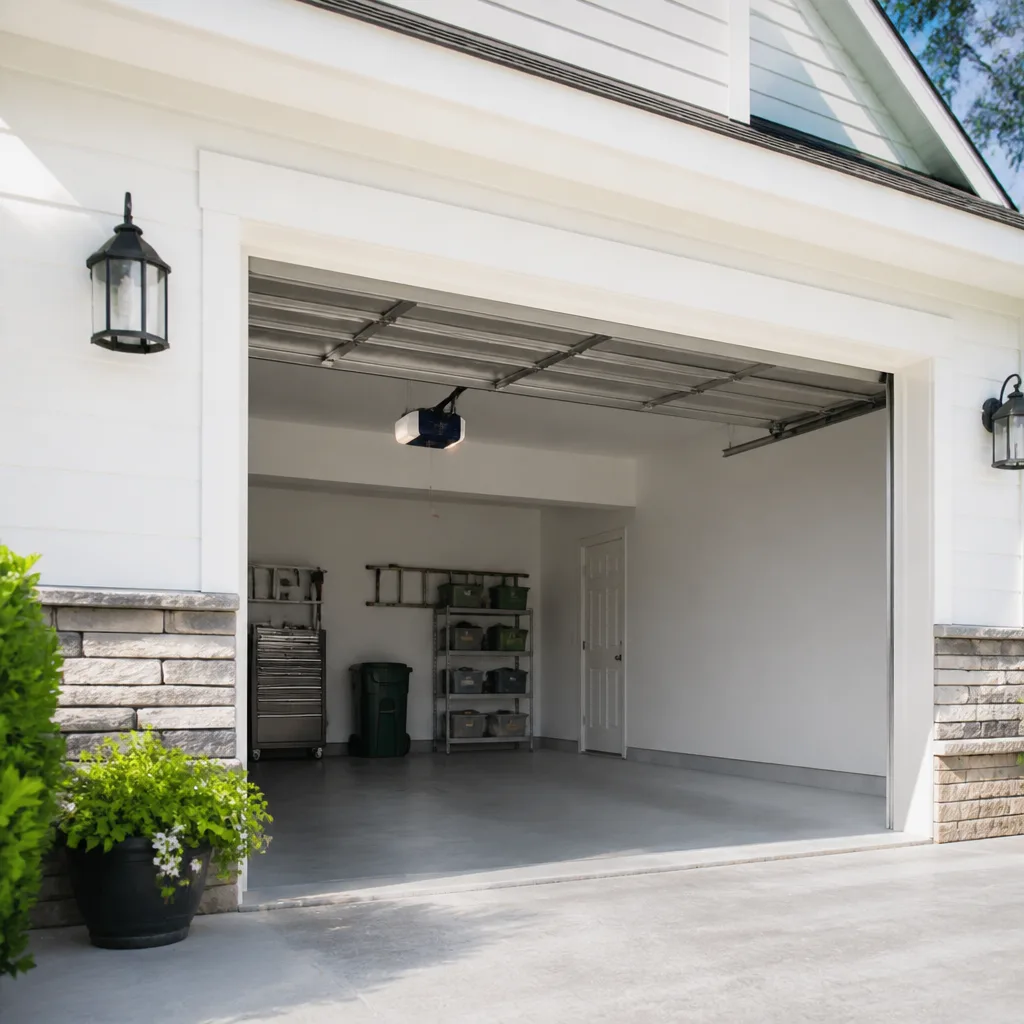 Chamberlain openers
Full 25-point door and opener safety check with every visit - springs, cables, rollers, tracks, and your LiftMaster or Chamberlain opener included
You get a price before we start. It does not change when the pro arrives.
Get your free estimateThe Complete Guide to Garage Doors in Oxford Circle
Most Oxford Circle garages were built for cars that no longer exist. Narrower openings, shallow headroom clearances and manual operation were the standard when much of this neighborhood went up, and almost everything around those openings has changed since: the cars got wider, the openers got smarter, and the doors got heavier. The opening itself, though, is still the opening. That single fact explains most of the oddities Oxford Circle homeowners run into when a door stops working or they decide to replace it, and it’s what this guide is built around. You’ll learn how the housing stock here limits your options, what to check before you buy anything, and when a job is genuinely a call-a-professional situation.
Quick Answer
Garage door work in Oxford Circle comes down to three things: measuring the actual opening rather than assuming a standard size, matching spring and opener systems to the low headroom common in older local garages, and choosing materials that survive Northeast Philadelphia’s freeze-thaw swings. Most repairs are straightforward once the door is measured and diagnosed properly. Spring replacement is the one job homeowners should never attempt themselves, because torsion springs store enough energy to cause serious injury when they release.
Styles & brands we work with
- Raised-panel steel
- Carriage house
- Modern flush
- Full-view glass
- LiftMaster openers
- Chamberlain openers
Table of Contents
- How Oxford Circle’s Older Housing Stock Shapes Your Options
- Low Headroom and What It Means for Openers and Springs
- What “Standard Sizing” Really Means for a 1960s Opening
- Alley-Facing Garages and the Weatherseal Problem
- Materials That Hold Up to the Local Freeze-Thaw Cycle
- Coordinating Work Around Shared Driveways
- Spring Systems, Safety, and Why This Job Is Different
- Choosing and Servicing an Opener That Fits the Door
How Oxford Circle’s Older Housing Stock Shapes Your Options
The houses here were largely built between the 1940s and the 1970s, and that timeline matters more than any brand brochure. A garage from the 1940s and one from the 1970s share a lot of DNA, but the door systems inside them have aged in different ways. Brick construction is common, which means the frame around your opening is solid but unforgiving: there’s little give if a new door is even slightly out of square.
What we run into across Oxford Circle again and again is a garage built for a smaller, lighter door and a car that’s long gone. The opening is often narrower than a modern SUV wants, and the ceiling height was never planned with a modern opener in mind. None of that is a crisis. It just means the door has to be measured and the system specified around the real opening, not a catalog default.
A quick way to think about it:
- Pre-1960 homes: expect narrow openings, shallow headroom, and doors that were originally manual.
- 1960s and 1970s homes: more likely to have been retrofitted with an opener at some point, often one that’s due for replacement.
- Brick-framed openings: measure carefully, because there’s no wiggle room for a door that’s ordered a half inch too wide.
If your door is sticking, scraping or refusing to close flush, that’s usually a sign the door and the opening have drifted apart over time. It’s the kind of thing worth having looked at rather than ignored, and it’s part of why garage door repair here so often starts with checking the frame, not the door.
Low Headroom and What It Means for Openers and Springs
Headroom is the distance from the top of your door to the ceiling above it, and it’s the single measurement that decides which opener and spring system will fit. Many Oxford Circle garages were built with less headroom than a modern opener calls for. When that happens, you can’t just bolt on any opener and hope; you need the right configuration for the space you actually have.
Here’s how we approach a low-headroom garage:
- Measure the real clearance. Top of door to ceiling, and the distance back to where the opener rail would run.
- Check the spring type. Torsion springs mount above the door and take up headroom; extension springs run along the tracks. The right choice depends on the space.
- Match the opener to the door. A heavier door on a low-headroom track needs an opener rated for that weight and travel, not a bargain unit sized for a lighter install.
- Confirm the door’s balance first. No opener should be asked to lift a door that isn’t balanced, because it’ll burn out early and stress the whole system.
We’re familiar with LiftMaster and Wayne Dalton systems in particular because they come up constantly in this kind of retrofit, and knowing how a specific opener’s rail and mounting behave saves a lot of guesswork. The point isn’t brand loyalty, it’s that the technician isn’t learning your opener on your time. If the opener is the part that’s failed, that’s a separate job from the door itself, and garage door opener repair addresses the electronics and the drive system directly.
What “Standard Sizing” Really Means for a 1960s Opening
When a manufacturer says a door is standard size, it usually means 8, 9 or 16 feet wide. Those are common widths, but your opening was not built to a modern standard, because your opening was built for a 1962 Buick, not a modern SUV. A door that’s the right nominal width can still fail to fit if the frame is out of square or the opening height falls between standard increments. Measure, then order to the measurement.
Three numbers decide everything:
- Width at the widest point inside the frame.
- Height from the floor to the header, measured at both edges to catch a slope.
- Square diagonally corner to corner, because a brick frame that’s gone out of square is common here and a factory door won’t adjust to it.
Get those right and the rest of the install follows a predictable path. Get them wrong and you’re dealing with a door that binds or leaves a gap you can see daylight through. If you’re planning a replacement, this is exactly the stage where garage door installation starts, with a measurement you can trust rather than a number pulled from a sticker.
Alley-Facing Garages and the Weatherseal Problem
A lot of Oxford Circle garages open onto an alley rather than a full-width driveway, and that changes the weather the door has to handle. A door set in a gap between buildings acts like a wind tunnel: air rushing down the alley gets channeled against the door face and finds any weak point around the edges. That’s why weatherseal fails on alley-facing doors far sooner than it does on an open-facing door two streets over.
What actually holds up:
- A solid bottom seal that makes firm contact with the floor across the full width, not just the middle.
- Side seals sized to the gap, because alley frames are often tighter against the door than open-driveway frames.
- A top seal that closes over the header, since wind channeling hits the upper edge hard.
When a seal goes, you notice it as a draft, water on the floor after a storm, or daylight around the door. Fixing it early is cheap; waiting lets wind and moisture work on the frame and the door edge. If you’ve noticed a persistent gap, it’s worth having the door checked rather than just swapping seal and hoping the gap was the only problem.
Materials That Hold Up to the Local Freeze-Thaw Cycle
Northeast Philadelphia’s winters run through repeated freeze-thaw cycles, and that pattern is hard on any exterior component that can absorb moisture. Water gets into a small gap, freezes, expands, and opens the gap a little wider. Repeat that many times over a winter and anything porous or poorly sealed starts to show it. The door you choose needs to tolerate that rhythm without warping or delaminating.
Material options, and how they tend to behave here:
- Steel with a quality finish: the most common choice, and it performs well if the finish is intact and the seals keep water out of the frame.
- Insulated steel panels: good for a garage that’s used daily or shares a wall with living space, since the insulation also resists panel flex in cold weather.
- Aluminum: light and rust-resistant, but it’s less forgiving if the opening is narrow and the door sees frequent impact.
- Wood: needs consistent care to survive the seasonal swings, so it’s a commitment rather than a one-time install.
The finish matters as much as the material. A door that’s well-sealed against the frame at every edge stays dry through the thaw, and one that isn’t will find the weak point no matter what it’s made of. This is where the seal profile and the frame fit come back again.
Coordinating Work Around Shared Driveways
Oxford Circle’s block layout often means a shared driveway or a tight alley approach, and that shapes how a garage door job gets scheduled and staged. A door arrives as flat panels and tracks, and the installation needs room to lay out and maneuver. On a shared driveway, that means coordinating with more than just the household.
- Confirm access before install day. Know how the panels will reach the opening and whether anything needs to move.
- Talk to the neighbors who share the drive. A short heads-up beats discovering the driveway is blocked when the truck needs it.
- Book around the parking reality. A working door is the goal; staging the job so the shared space stays usable is part of getting there.
- Plan for a repair window too. Even a repair call can need room to work safely, especially if the door has to be opened fully.
We work this into scheduling because it’s part of the job, not an afterthought. A door repair that has to be rescheduled because the driveway wasn’t clear wastes everyone’s day.
Spring Systems, Safety, and Why This Job Is Different
The springs are the most mechanically dangerous part of any garage door, and they’re the most commonly mishandled. A torsion spring is under heavy tension when the door is closed, and it holds that energy ready to release. If it’s adjusted or removed without the right tools and training, the stored energy comes out all at once. That’s why spring work is a call-a-professional job, full stop.
What we handle when we service springs:
- Diagnosis: a snapped spring, a door that’s suddenly heavy, or a door that lifts an inch and stops are classic spring symptoms.
- Balance check: confirming the door is correctly weighted before touching anything else.
- Replacement: torsion and extension springs both, with the right size and tension for the door’s weight.
Springs are handled as a core part of the work rather than farmed out, because this is the component where knowing the system matters most. We never walk a homeowner through adjusting a spring themselves, and we’d gently suggest you don’t ask a neighbor with a ladder to try it either. The result can be a door that won’t close, a bent track, or an injury. Leave it to someone trained for the job.
Choosing and Servicing an Opener That Fits the Door
An opener isn’t a standalone gadget; it’s the motor matched to a specific door’s weight and travel. Many Oxford Circle openers were installed years ago to operate a door that’s since been changed, or they’re modern units on a door they were never sized for. When that mismatch exists, the opener works harder than it should and eventually fails.
When we look at an opener, we ask a few practical questions:
- What door is it lifting? Weight and balance first, then the opener.
- Does it fit the headroom? Low-headroom garages need the right rail and mounting.
- What family of opener is it? We’re familiar with LiftMaster, Chamberlain, Genie, Craftsman and Raynor units, and knowing the parts and procedures for those saves time on diagnosis.
- Does the smart-home system still work? Older units often lose connectivity before the motor gives up, and that’s a repair question, not a door question.
If the opener has failed, the right fix is to diagnose the actual fault rather than replace the whole unit on a guess. If the door and opener both need attention, we can address both in one visit, which keeps things simple.
Common Mistakes to Avoid
- Ordering a “standard” door without measuring. Older Oxford Circle openings don’t match modern standard increments, and a door that’s the wrong size has to go back.
- Adjusting a torsion spring yourself. The spring is under stored tension, and a mistake can cause serious injury. Have a trained technician handle it.
- Ignoring a low-headroom garage when buying an opener. A unit that fits the catalog doesn’t necessarily fit the ceiling in a 1950s garage.
- Letting a weatherseal fail on an alley-facing door. Wind channeling punishes a worn seal fast, and the moisture that follows gets into the frame.
- Asking an opener to lift an unbalanced door. The motor strains, wears early, and masks a spring or balance problem that still needs fixing.
- Choosing a material without thinking about freeze-thaw. A finish that can’t handle Northeast Philadelphia’s seasonal swings will look older than it is.
- Scheduling work without clearing a shared driveway. Panels and tools need room, and a blocked drive turns a busy day into a reschedule.
See the difference
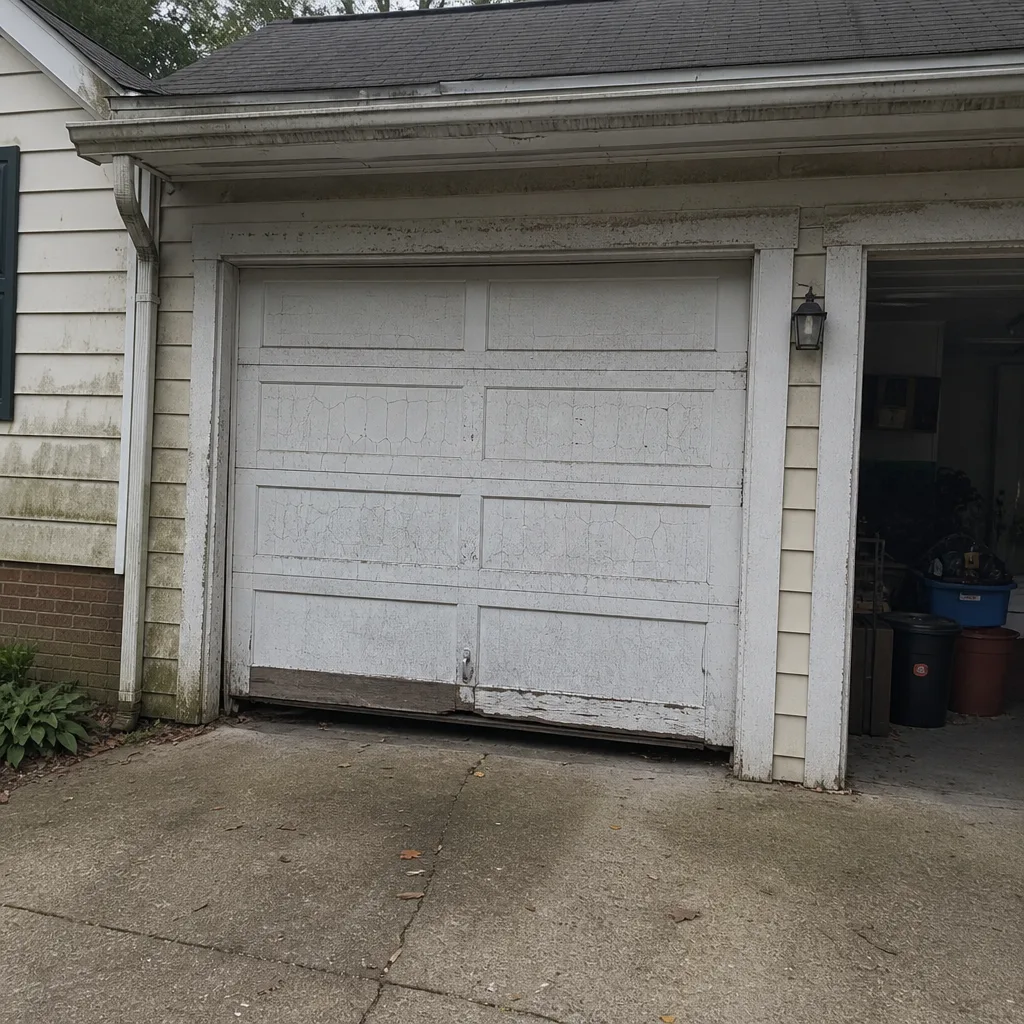 Before
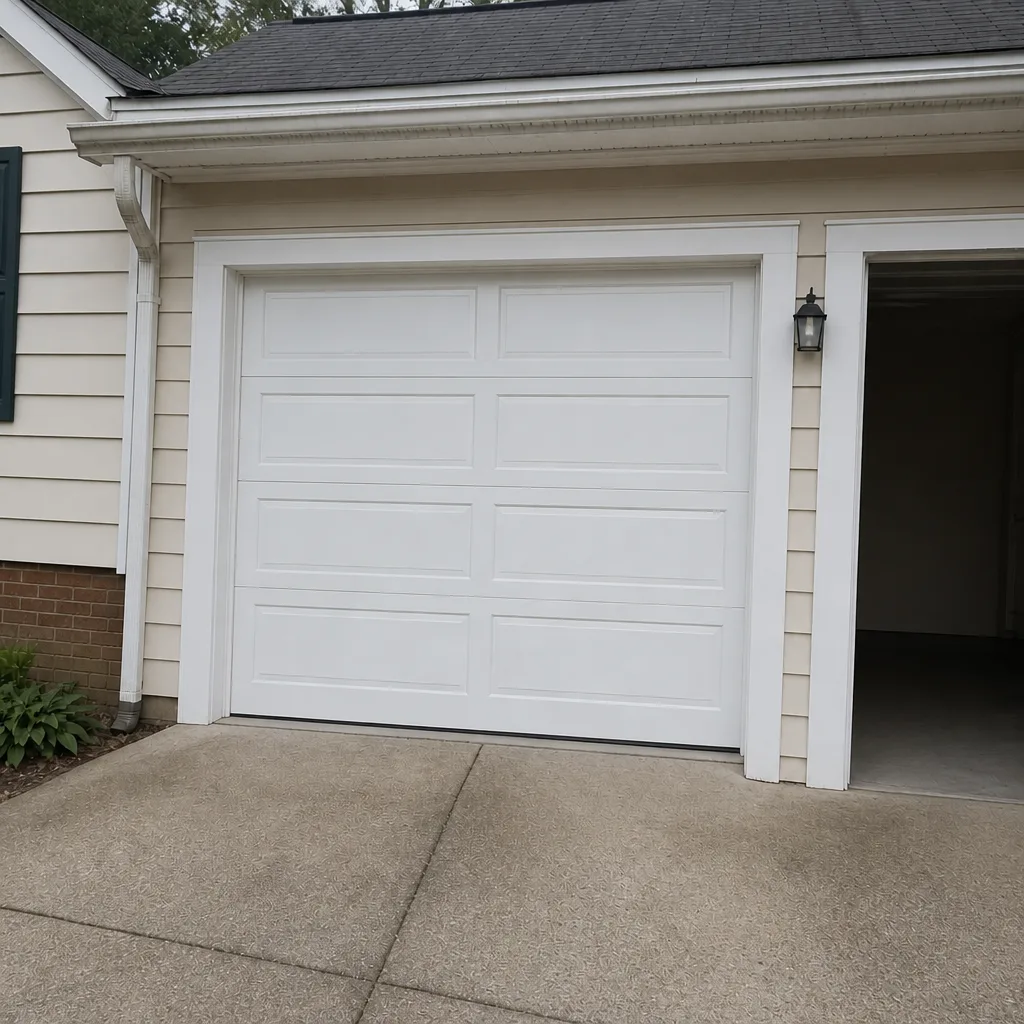 After
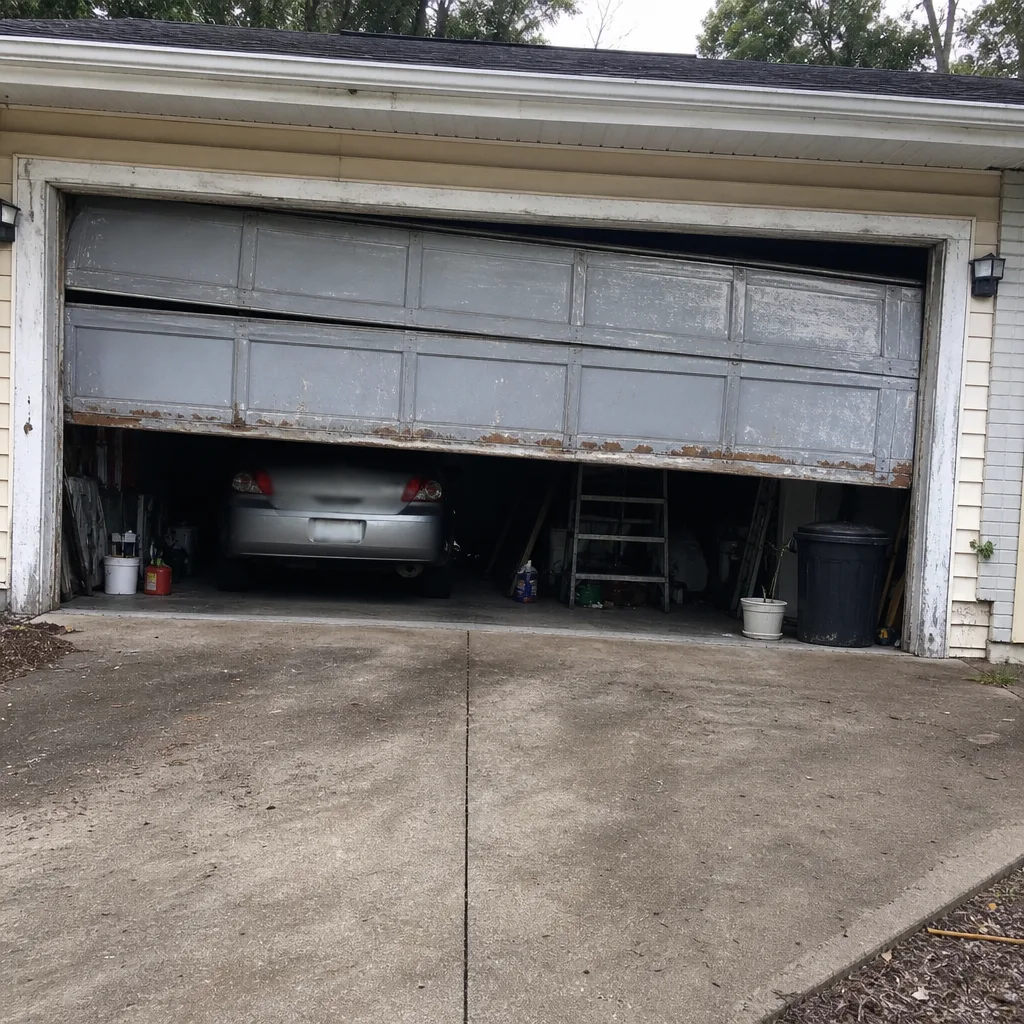 Before
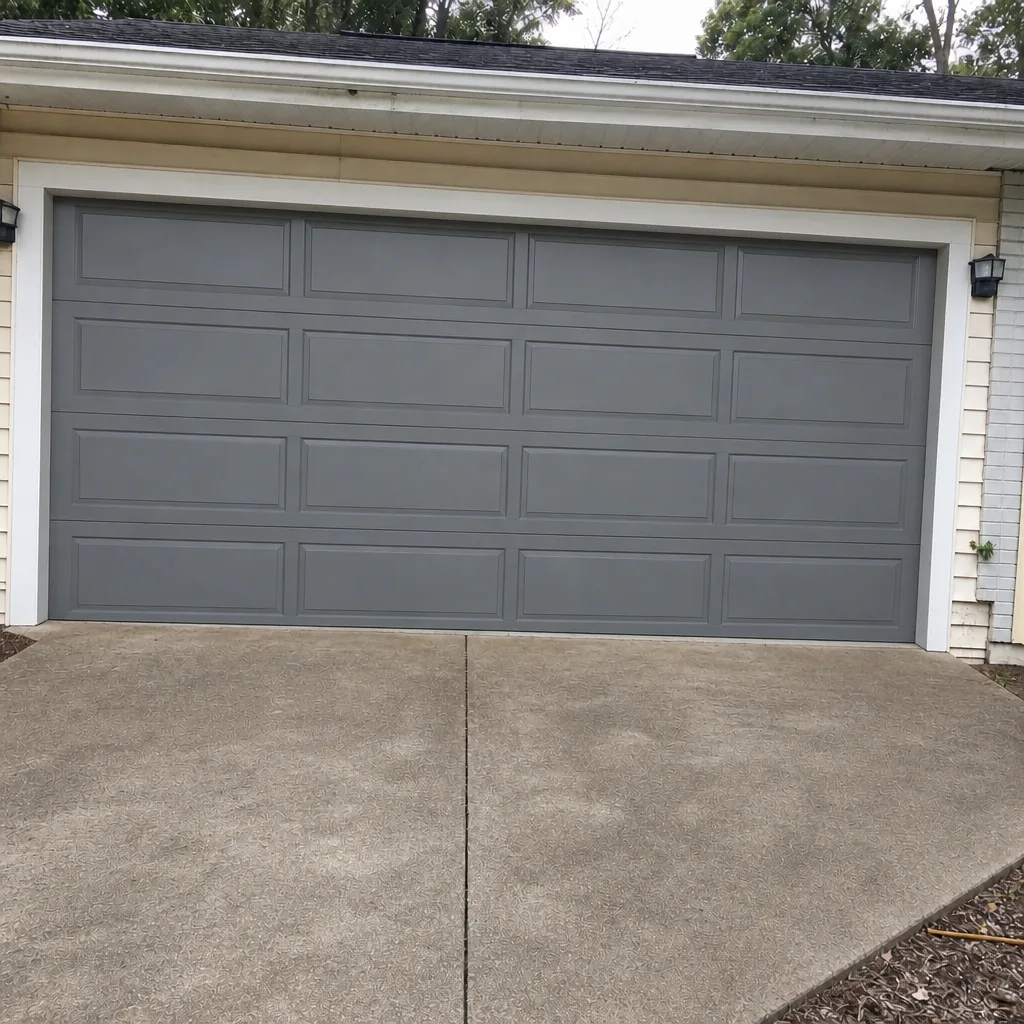 After
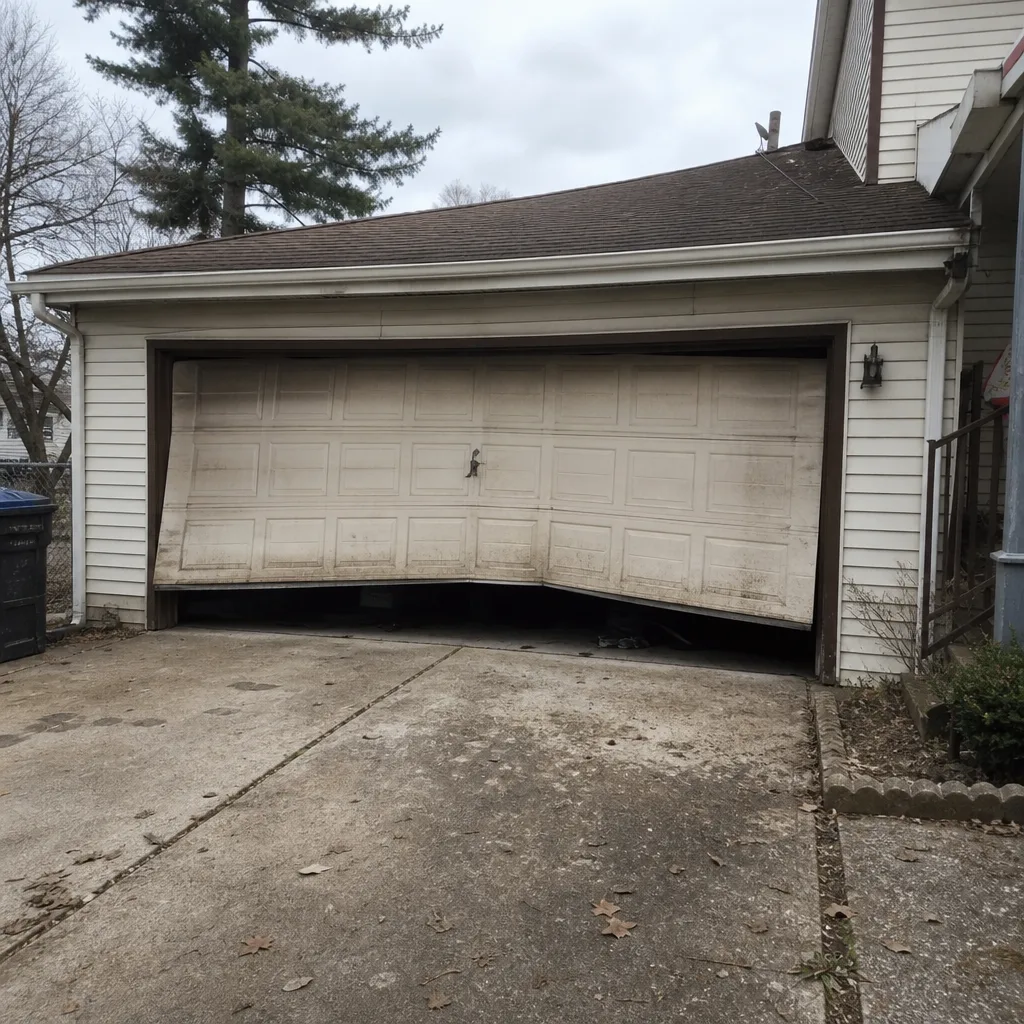 Before
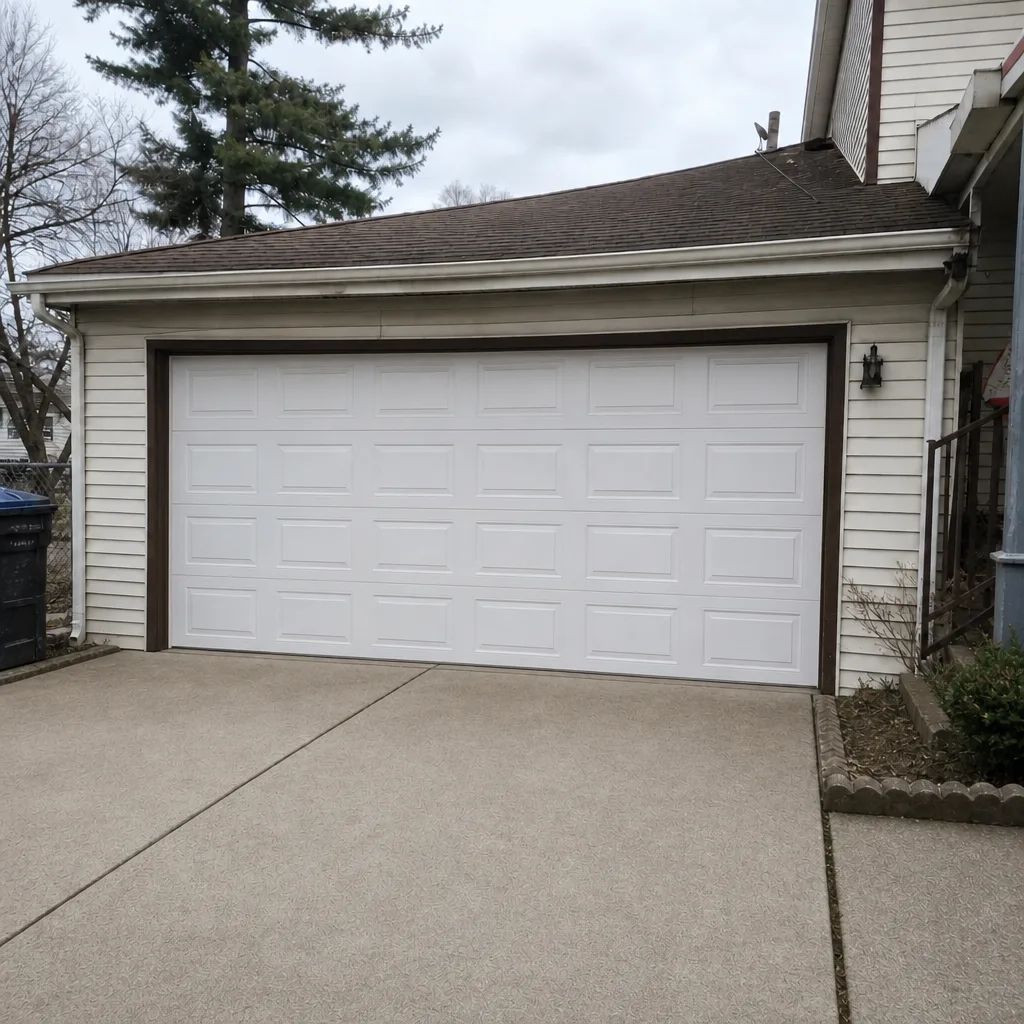 After
When to Call a Professional
Some jobs are a sign to pick up the phone rather than a project to take on yourself. A snapped spring or a door that’s suddenly too heavy to lift is the clearest one, and that’s exactly what we handle. A door that’s come off its track, an opener that won’t respond no matter what you try, a cable that’s frayed or loose, or a door that closes at an angle all point to a trained set of eyes rather than a quick fix. We also see plenty of Oxford Circle jobs that are simply worn out and need a measured replacement call.
Garage Door Repair Oxford Circle offers free estimates in Oxford Circle and can work with you to get a problem diagnosed and priced before anything starts. Call (855) 658-4215 and we’ll help you figure out what the door needs.
Frequently Asked Questions
You don’t need to leave the neighborhood, and a local garage door specialist can serve Oxford Circle directly. We provide garage door repair Oxford Circle and related work across the area. Call (855) 658-4215 for a free estimate and a timing that fits your schedule.
Many Oxford Circle garages built between the 1940s and 1970s have less clearance above the door than a modern opener and spring system calls for. If the headroom is tight, the opener and spring mount have to be chosen to fit the actual space. That’s why a technician measures before recommending any equipment. Call (855) 658-4215 to talk through your garage.
No. Garage door springs are under heavy tension, and adjusting or removing one without the right tools and training can cause serious injury. Spring repair is a job for a trained technician, and we handle it as a core service rather than a side job. Call (855) 658-4215 and we’ll take a look.
Often yes, but the seal should be sized to the actual gap, since alley-facing doors in Oxford Circle see more wind channeling than doors on open driveways. If the gap is bigger than worn seal explains, the door or frame may need attention too. Call (855) 658-4215 for an assessment.
Measure the width at the widest point inside the frame, the height at both edges, and the diagonals to check square. Older brick openings don’t conform to modern standard sizes, so the measurement is what the door should be ordered to. Call (855) 658-4215 and we can help you get the numbers right before you buy.
We’re familiar with LiftMaster, Chamberlain, Genie, Clopay, Amarr, Wayne Dalton, Craftsman and Raynor products, and our technicians carry up to 13 years of experience. If your opener or door is one of those, we’ll know the parts and procedures. Call (855) 658-4215 for a free estimate.
The Bottom Line
Oxford Circle’s garage door challenges come from the housing stock, not from anything unusual about the work. Older brick frames, low headroom, alley-facing openings and shared driveways all shape what fits and what doesn’t. The fix is always the same: measure the actual opening, match the spring and opener to the door’s weight and the space’s clearance, choose materials that handle the freeze-thaw cycle, and leave spring work to a trained professional. There’s no shortcut around a proper measure and diagnosis, and a written estimate taken before any work starts is the surest way to avoid surprises. When you’re ready, the first step is getting the door looked at.
Call Garage Door Repair Oxford Circle at (855) 658-4215 for a free estimate. We’ll measure the opening, explain your options for repair, spring service, opener work or a new installation, and quote the price before anything starts.
Written by the team at Garage Door Repair Oxford Circle.